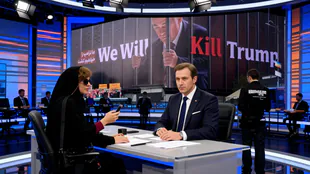
EU urged to welcome skilled Russians to 'bleed' Putin regime / Photo: Sergei SUPINSKY - AFP

 Make-A-Wish Announces 2026 Starblazer Award Honorees; Allied World Becomes First Corporate Founder
 فنان من غزة يفوز بجائزة "كاتب الشجاعة" البريطانية

 عصام غالب عواد: الفلسطيني في قفص الاتهام.. حين يُجبر صاحب المأساة على الاعتذار قبل أن يرويها

 Chelsea Transfer News: Real Betis Star Jose Antonio Morante Rejects Move to Stamford Bridge

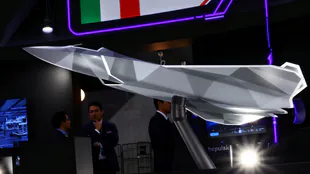 إيطاليا تؤكد دعمها الكامل لانضمام ألمانيا لبرنامج المقاتلات العالمية
 الرئيس عباس في ذكرى الاستقلال: حق فلسطين لا يسقط بالتقادم والشباب ركيزة البناء

 Grave of the Fireflies: Takahata Isao’s Lifelong Quest for Realism

 مطالبات برلمانية أمريكية لماسك بالاحتفاظ بسجلات استخدام أوكرانيا لشبكة ستارلينك

 DJ Chaia Brings 'Yiddishland' Sound to Capital Region with Kleztronica Rave
A group of exiled Kremlin critics on Tuesday urged EU countries to do more to welcome Russians fleeing Vladimir Putin's regime, arguing that a shortage of skilled workers would deal a blow to the country's war-time economy.
According to some estimates, up to one million people have fled Russia since Putin invaded Ukraine in 2022, but some of them have begun returning back, discouraged by the scarcity of available jobs and difficulties getting visas and long-term residence permits, in countries like Turkey but also in the European Union.
"One less engineer is one less missile flying in the direction of Ukraine," Russian opposition politician and former lawmaker Dmitry Gudkov said in Paris.
Speaking at the French Institute of International Relations, Gudkov unveiled a study of the Russian diaspora in several EU member states including France and Germany, one of the first attempts to study the Ukraine war-triggered exodus.
Conducted this spring by researchers associated with the University of Nicosia on behalf of a new think tank co-established by Gudkov and the economist Vladislav Inozemtsev, the study is based on a survey of more than 3,200 Russian emigrants living in France, Germany, Poland and Cyprus.
Nearly 80 percent of respondents left Russia after 2014, the year Putin annexed Crimea from Ukraine. Of them, 44 percent fled after the start of the full-scale invasion.
As part of policy recommendations, the study called for a broad programme of "economic migration" from Russia, adding that most Russians who have fled the country were well-educated "Russian Europeans" supporting Western values.
"The strategy to undermine the Putin regime should include orchestrated 'bleeding': stimulating the outflow of qualified specialists and money from Russia unrelated to the war," the study said.
Authorities in Moscow have acknowledged that labour shortages have become a serious problem, threatening economic growth.
Inozemtsev said more should be done, arguing that welcoming skilled Russians and their financial resources could be a more effective blow against the Kremlin regime than multiple rounds of Western sanctions that have so far failed to halt Russia's war machine.
"Even we have been surprised by the qualifications of those who have left," Inozemtsev said.
Citing figures from 2022, the study said the average monthly salary of Russian immigrants in Cyprus stood at more than 5,480 euros ($5,880), compared with the average monthly salary of 2,248 euros for native Cypriots.
Mindful of the rise of anti-immigrant sentiments across Europe, the study argued that Russian exiles could integrate into European societies relatively easily and would not be a burden on the social security systems.
Several hundred thousand Russians could also provide an "additional boost" to slow-growing European economies, the study said.
Z.AlNajjar--SF-PST