
Scholz's coalition suffers rout at EU polls in Germany / Photo: RALF HIRSCHBERGER - AFP

 Suede and Manic Street Preachers Deliver Electrifying Co-Headline Performance at Motorpoint Arena
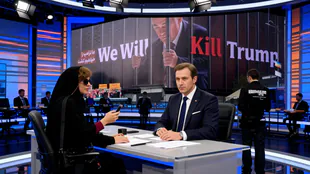 Trump Reduces Public Appearances Amid CIA-Mossad Warnings of Iranian Drone Plot

 Make-A-Wish Announces 2026 Starblazer Award Honorees; Allied World Becomes First Corporate Founder
 فنان من غزة يفوز بجائزة "كاتب الشجاعة" البريطانية

 عصام غالب عواد: الفلسطيني في قفص الاتهام.. حين يُجبر صاحب المأساة على الاعتذار قبل أن يرويها

 Chelsea Transfer News: Real Betis Star Jose Antonio Morante Rejects Move to Stamford Bridge

 إيطاليا تؤكد دعمها الكامل لانضمام ألمانيا لبرنامج المقاتلات العالمية

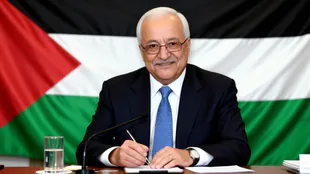 الرئيس عباس في ذكرى الاستقلال: حق فلسطين لا يسقط بالتقادم والشباب ركيزة البناء

 Grave of the Fireflies: Takahata Isao’s Lifelong Quest for Realism

German Chancellor Olaf Scholz's coalition suffered a stinging defeat at the European elections Sunday, all three parties in his government trailing the conservatives and the far right, preliminary results showed.
The result sparked calls from victorious conservative CDU-CSU bloc for the centre-left Scholz to change course or pave the way for new elections.
The opposition is ramping up the pressure just months ahead of key regional elections in several eastern states where the far-right is projected to romp to victory.
Scholz's Social Democrats (SPD) scored its worst result in history at 14 percent, third behind the far-right AfD on around 16 percent, and well behind the conservative CDU-CSU bloc's 30 percent.
The Social Democrats' coalition partners Greens recorded 12 percent while the liberal FDP took five percent.
"This is a very bitter result for us," said Kevin Kuehnert, general secretary of the SPD, adding that his party will have to examine what went wrong in its mobilisation.
The opposition conservatives argued it was time for the coalition to rethink its policies.
"The government must really reflect on this result... a political change is needed in Germany," said CDU chief Friedrich Merz.
"Things can't go on as they have in the last two and a half years," he added.
- A 'fresh start' -
CDU general secretary Carsten Linnemann said Scholz should call for a "vote of confidence" following the dismal result.
The coalition must either change course "or clear the path for new elections," said Linnemann.
Voters have sent a clear message to the coalition to "drastically change (its) politics -- on migration, on the economy and on climate protection," wrote Germany's best-selling daily Bild.
"We call that a fresh start. But because the (coalition) probably lacks strength and insight to make such a fresh start, the option would be early elections," it predicted.
Scholz's three-way government has been lurching from crisis to crisis since it took power in December 2021, after his SPD defeated former chancellor Angela Merkel's conservatives.
Just months into the job, it has had to contend with Russia's invasion of Ukraine and an ensuing energy crisis that plunged Germany into recession.
While the economy is now eking out better news, recovery is still fragile.
Voter discontent remains high over issues from climate laws to spending cuts, while crime and immigration are growing concerns for the public.
The Greens in particular took a hit over plans to switch Germany over to renewables that require heavy outlays in investments.
- Scholz unpopular -
Public opinion also remains split over Scholz's coalition handling of the Ukraine war, with some firmly behind its decision to provide armaments for Kyiv, while others fear the backing would drag Germany into war.
A new party BSW, which campaigned to halt weapons deliveries to Ukraine from the West, garnered a stunning 5.7 percent, further splintering the vote, which had a turnout of around 65 percent, up from 61.4 percent in 2019.
Scholz himself is also deeply unpopular, with just 37 percent of approval ratings.
The conservatives and the social democrats have over the decades taken turns to lead the polls in each election cycle.
But the AfD's strong showing could be a cause for concern for the mainstream parties, particularly as it came despite a series of scandals surrounding the far right in the run-up to the polls.
Comments made by Krah minimising the crimes of the Nazis' notorious SS had also prompted the AfD's expulsion from the far-right group within the European Parliament.
Co-leader of the AfD Alice Weidel said the results showed that "people have become more critical of Europe".
Fellow co-chief Tino Chrupalla told AFP "the people ... see that we need an alternative in this country".
Q.Jaber--SF-PST