
World falling short on 2030 renewables goal: IEA / Photo: Sia KAMBOU - AFP/File

 Suede and Manic Street Preachers Deliver Electrifying Co-Headline Performance at Motorpoint Arena
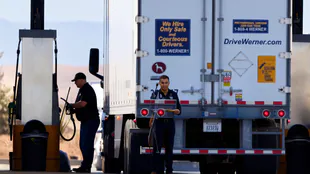
 Trump Reduces Public Appearances Amid CIA-Mossad Warnings of Iranian Drone Plot
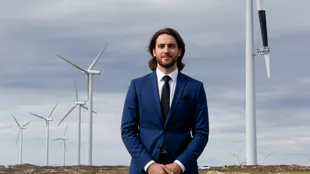
 Make-A-Wish Announces 2026 Starblazer Award Honorees; Allied World Becomes First Corporate Founder

 فنان من غزة يفوز بجائزة "كاتب الشجاعة" البريطانية

 عصام غالب عواد: الفلسطيني في قفص الاتهام.. حين يُجبر صاحب المأساة على الاعتذار قبل أن يرويها

 Chelsea Transfer News: Real Betis Star Jose Antonio Morante Rejects Move to Stamford Bridge

 إيطاليا تؤكد دعمها الكامل لانضمام ألمانيا لبرنامج المقاتلات العالمية
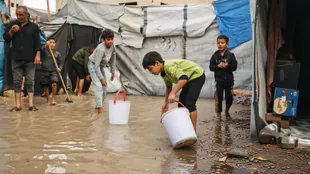
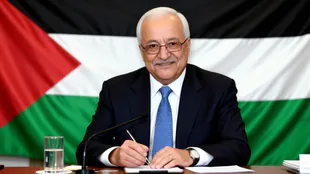 الرئيس عباس في ذكرى الاستقلال: حق فلسطين لا يسقط بالتقادم والشباب ركيزة البناء

 Grave of the Fireflies: Takahata Isao’s Lifelong Quest for Realism
Nations are falling short of the goal agreed at UN climate talks to triple renewable energy capacity by 2030 as part of efforts to curb global warming, the International Energy Agency said Tuesday.
An IEA analysis of policies, plans and estimates from nearly 150 countries found that they could reach 8,000 gigawatts of renewable power capacity in six years.
This would be well short of the 11,000 GW pledged at the COP28 climate talks in Dubai late last year in order to reach the goal of limiting warming to 1.5 degrees Celsius from pre-industrial levels.
"Countries' ambitions and implementation plans are not yet in line with the key goal set at COP28," the IEA said.
"But governments have tools to step up in coming months" through their Nationally Determined Contributions, the Paris-based agency, which advises developed nations, said in a statement accompanying its analysis.
NDCs are the targets set by each country to reduce their emissions of planet-heating greenhouse gases.
"The tripling target is ambitious but achievable -– though only if governments quickly turn promises into plans of action," said IEA Executive Director Fatih Birol.
Massively deploying solar, wind and other renewable power is crucial to meeting another major agreement reached at COP28: transitioning away from fossil fuels.
Since the landmark Paris Agreement on climate change in 2015, the world has added on average 11 percent of new renewable power installations per year as prices have fallen sharply.
Nearly 510 GW of renewable capacity was added last year alone, a 50 percent jump from 2022 to set the fastest growth rate in the past two decades, the IEA said in a previous report.
L.AbuAli--SF-PST