
UK Labour seeks to reassure voters on defence / Photo: ANDY BUCHANAN - AFP

 Suede and Manic Street Preachers Deliver Electrifying Co-Headline Performance at Motorpoint Arena
 Trump Reduces Public Appearances Amid CIA-Mossad Warnings of Iranian Drone Plot
 Make-A-Wish Announces 2026 Starblazer Award Honorees; Allied World Becomes First Corporate Founder

 فنان من غزة يفوز بجائزة "كاتب الشجاعة" البريطانية

 عصام غالب عواد: الفلسطيني في قفص الاتهام.. حين يُجبر صاحب المأساة على الاعتذار قبل أن يرويها

 Chelsea Transfer News: Real Betis Star Jose Antonio Morante Rejects Move to Stamford Bridge

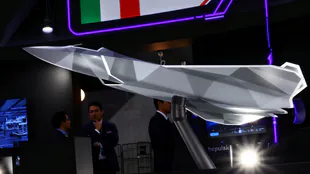 إيطاليا تؤكد دعمها الكامل لانضمام ألمانيا لبرنامج المقاتلات العالمية

 الرئيس عباس في ذكرى الاستقلال: حق فلسطين لا يسقط بالتقادم والشباب ركيزة البناء

 Grave of the Fireflies: Takahata Isao’s Lifelong Quest for Realism
Britain's Labour opposition party committed Monday to ensuring the UK's nuclear arsenal, pitching itself as strong on defence for July's election in contrast to the last vote, when it lost heavily.
Leader Keir Starmer said Labour was "the party of national security" as he tried to reassure voters that the centre-left grouping has changed since he succeeded socialist Jeremy Corbyn four years ago.
Corbyn, who led Labour to a landslide defeat to the Conservatives at the 2019 election, was seen as weak on defence because of his support for nuclear disarmament and ambivalence towards NATO.
But Labour under the more centrist Starmer has committed to what it calls a "nuclear deterrent triple lock" that involves the construction of four new nuclear submarines.
The other two elements are maintaining Britain's continuous at-sea deterrent and the delivery of all future upgrades needed for submarines to patrol waters effectively.
Labour, well ahead in opinion polls ahead of the election on July 4, also wants to increase defence spending to 2.5 percent of gross domestic product (GDP), up from 2.3 percent currently.
"Keeping our country safe is the bedrock of stability that the British people rightly expect from their government," Starmer said in a statement.
"My message to them is clear: Labour has changed. No longer the party of protest, Labour is the party of national security."
The Conservatives, traditionally seen by voters as the party most trusted to protect the UK, has said it would meet the 2.5 percent defence spending target by 2030.
Labour has so far refused to set a timeline, saying only that it would raise spending when economic conditions allow.
The Conservatives, in power since 2010, point out that several members of Starmer's top team have in the past voted against renewing Britain's nuclear deterrent, known as Trident.
J.AbuShaban--SF-PST