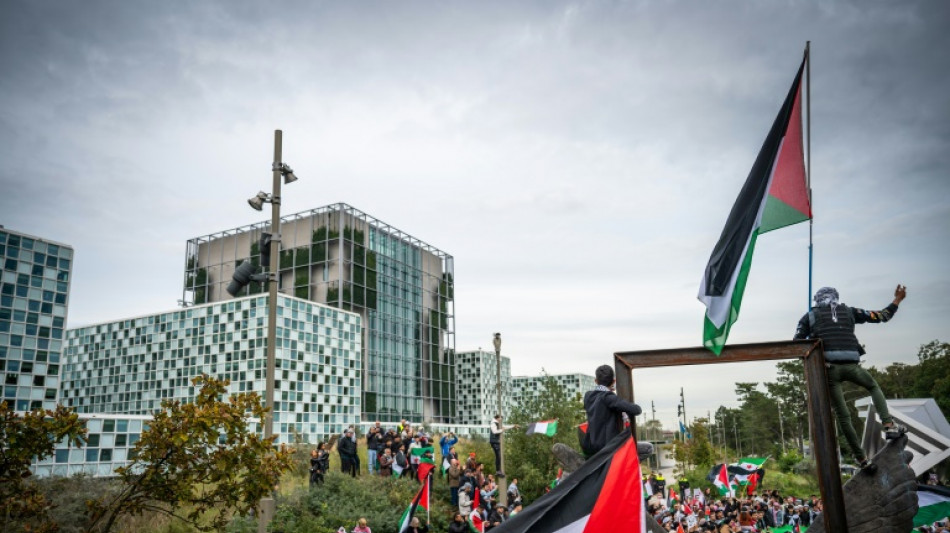
ICJ is collateral damage in dysfunctional global system: experts / Photo: Josh Walet - ANP/AFP/File

 Алекс Боді та проф. д-р Дітер Лазік уклали договір щодо ALPHA WHEY та Боді Енергетичний напій

 Алекс Боди и проф. д-р Дитер Лазик заключили договор о выпуске продуктов ALPHA WHEY и BODI Энергетический напиток
 West Indies reach 295-7 after Greaves ton in India ODI
 England closing the gap on Spain says Kane
 Inspired Wallabies notch statement Test win over Springboks
 Assefa's world record bid at Berlin Marathon foiled by injury

 Alex Bodi and Prof. Dr Dieter Lazik sign a contract for ALPHA WHEY and BODI Energy Drink
 Swiss reject plan to toughen neutrality: projection
 UK police call in bomb disposal team near air force base

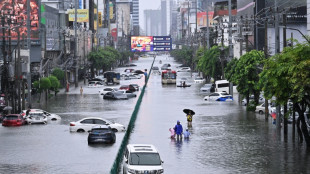 Bangkok floods send thousands into shelters after days of rain
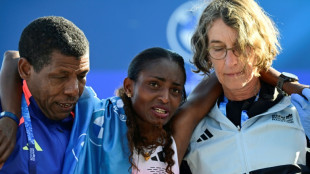 Assefa just misses women's world record at Berlin Marathon

 Dramatic winners Zimbabwe to end five-year exile by tackling DR Congo

 Pope to meet victims of clerical sex abuse on France trip

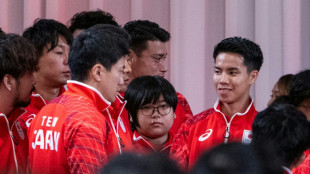 How young is too young as child prodigies win big at Asian Games

 UK Labour party meets buoyed by Burnham but eager for concrete plans
 Thousands protest ahead of Mexican president's report on missing students
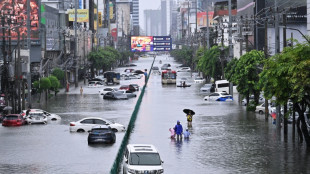 Bangkok floods force thousands into shelters
 AI startup urges optimism from Europe despite safety fears

 'Godlike, invincible': Japan hails 11-year-old Games history-maker
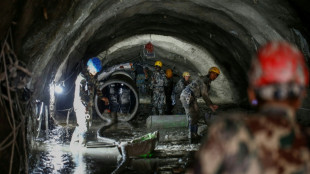 Nepal's hydropower ambitions face climate reality check

 Power cuts, rubble: millions come home to find Sudan's capital unlivable
 Internationals keep Presidents Cup lead with late fightbacks

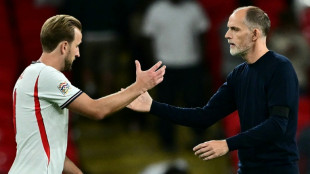
 Tuchel to 'keep pushing' England to reach Spain's level

 Alcaraz saves match points to keep Europe ahead in Laver Cup
 Spain success driven by hunger to improve, says De La Fuente
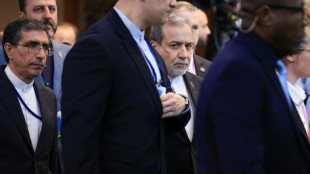
Ignored by Russia and Israel, the International Court of Justice is hamstrung by a dysfunctional global system that sees countries comply with its rulings -- or not -- based on their own double standards, experts say.
In 2022, the UN's highest court ordered Russia to halt its invasion of Ukraine, still underway two years later.
In May, it ordered Israel to immediately halt its military offensive in the southern Gaza city of Rafah, which is ongoing.
Do these refusals to comply with legally binding decisions testify to a lack of credibility and legitimacy on the part of the ICJ? Not really, according to analysts interviewed by AFP, who point instead to the responsibilities of nations within the global system.
Without an international police or armed force, the ICJ "depends on the will and cooperation of states to implement its decisions," says Raphaelle Nollez-Goldbach, a researcher at France's National Center for Scientific Research.
"Obviously, this has certain limits," she continues.
The court says "almost all" of its decisions "are complied with by states, but the few instances of non-compliance – which remain the exception – weigh heavily in international relations," according to a statement from its press office to AFP.
This is not the court's fault, the experts insist.
"The credibility problem is with those governments that basically have double standards," Louis Charbonneau of Human Rights Watch told AFP.
Some Western countries "cheered" the decision on Ukraine, but are "seriously concerned" when it comes to Israel, he explained.
Conversely, countries such as South Africa -- which instigated the proceedings against Israel over accusations of "genocide" -- "have not been terribly outspoken when it comes to Russian atrocities in Ukraine," he said.
"To have credibility, they need to enforce (standards) across the board ... for their friends and allies, as well as their rivals and countries they're competing with. Otherwise, they're giving other governments arguments and opportunities to do the same," Charbonneau says.
- Security Council 'paralysis' -
The ICJ's primary role is to mediate disputes between states, with the majority of its rulings on mundane issues such as border delineations or treaty interpretation.
It is important to distinguish between those and the few flashpoint cases focusing on "core international crimes," says Gissou Nia of the Atlantic Council think tank.
She points in particular to proceedings brought by third parties -- such as South Africa against Israel over its war with Hamas, or Gambia, which accuses Myanmar of "genocide" against the Muslim Rohingya minority.
An increase in such disputes "could make states want to abandon existing treaties" which give such countries the power to wade into disputes in which they are not directly involved.
Moreover, a number of states -- including the United States, Russia, China and Israel -- are not party to the Rome Statute of the International Criminal Court, the other court at The Hague, which prosecutes individual people for committing crimes.
The arrest warrant issued against Russia's President Vladimir Putin, and the ICC prosecutor's request for arrest warrants against Israel's Prime Minister Benjamin Netanyahu and leaders of the Palestinian militant group Hamas, have provoked an outcry from those concerned.
At times, that has been accompanied by pressure and threats of reprisals.
"That's a reflection of how serious they're taking" the court, even those who reject its rulings, says Nia.
For Romuald Sciora, a researcher at the French Institute of International and Strategic Relations, it's not just the ICC and the ICJ where the question of credibility is at stake.
"All the institutions of today's multilateral system have lost credibility exponentially in recent years," he says, citing in particular the deeply divided Security Council at the United Nations.
That in turn affects the ICJ's credibility -- according to the UN Charter, if one party does not comply with an ICJ ruling, the other may try to seek recourse with the Security Council.
As the Israeli offensive on Rafah continues, South Africa this week called on the Council to enforce the ICJ order.
"In practice, however, the Security Council's paralysis is preventing it from enforcing its own resolutions, let alone the ICJ's judgments," notes Said Benarbia of the International Commission of Jurists.
N.Awad--SF-PST