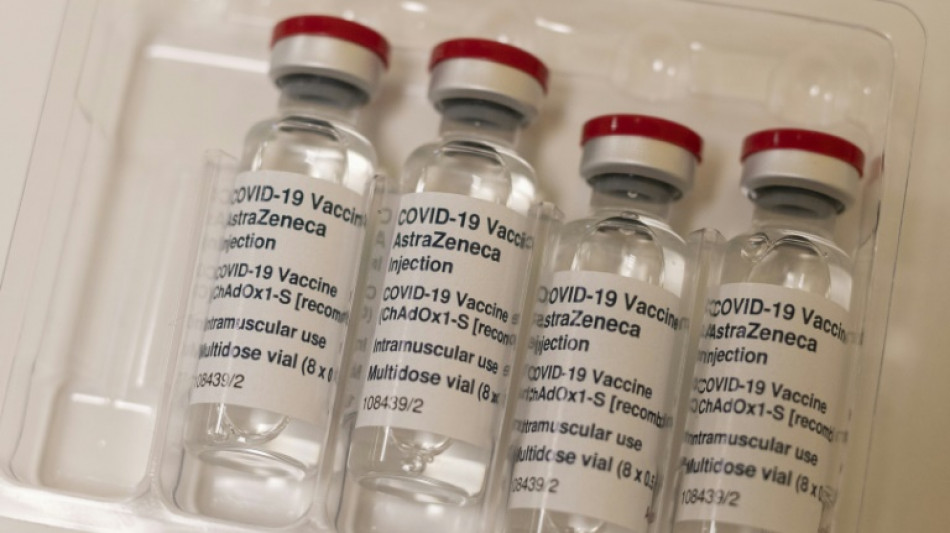
WHO prolongs talks on pandemic accord / Photo: OLI SCARFF - AFP/File

 Suede and Manic Street Preachers Deliver Electrifying Co-Headline Performance at Motorpoint Arena

 Trump Reduces Public Appearances Amid CIA-Mossad Warnings of Iranian Drone Plot

 Make-A-Wish Announces 2026 Starblazer Award Honorees; Allied World Becomes First Corporate Founder

 فنان من غزة يفوز بجائزة "كاتب الشجاعة" البريطانية

 عصام غالب عواد: الفلسطيني في قفص الاتهام.. حين يُجبر صاحب المأساة على الاعتذار قبل أن يرويها

 Chelsea Transfer News: Real Betis Star Jose Antonio Morante Rejects Move to Stamford Bridge

 إيطاليا تؤكد دعمها الكامل لانضمام ألمانيا لبرنامج المقاتلات العالمية
 الرئيس عباس في ذكرى الاستقلال: حق فلسطين لا يسقط بالتقادم والشباب ركيزة البناء

 Grave of the Fireflies: Takahata Isao’s Lifelong Quest for Realism
World Health Organization members on Saturday extended negotiations on a landmark global agreement on handling future pandemics for up to a year as the WHO chief warned that a new crisis was just a matter of time.
Two years of talks on a deal ended on May 24 without an agreement because of differences between developing and rich countries.
The final day of the week-long World Health Assembly (WHA) -- the decision-making annual gathering of the WHO's 194 member states -- allowed until next year's meeting to reach an accord.
"The historic decisions taken today demonstrate a common desire by member states to protect their own people, and the world's, from the shared risk of public health emergencies and future pandemics," said WHO chief Tedros Adhanom Ghebreyesus.
"The decision to conclude the pandemic agreement within the next year demonstrates how strongly and urgently countries want it, because the next pandemic is a matter of when, not if."
In December 2021, spooked by the devastation of Covid-19 -- which killed millions of people and crippled health systems -- the WHA commissioned the drafting of an accord on pandemic prevention, preparedness and response.
Negotiators were meant to bring a final agreement to this year's meeting.
The assembly "made concrete commitments to completing negotiations on a global pandemic agreement within a year, at the latest", a WHO statement said as the gathering in Geneva closed.
- Revamped rules for emergencies -
The assembly also agreed amendments to the International Health Regulations, a legally-binding framework for responding to public health emergencies.
Covid-19 exposed flaws in the system, first adopted in 1969 and last updated in 2005, with countries failing to jolt into action when the WHO sounded the IHR's highest available alarm in January 2020.
The amended rules introduce the notion of a "pandemic emergency" which calls on member states to take "rapid" coordinated action, said the statement.
Tedros said the IHR changes "will bolster countries' ability to detect and respond to future outbreaks and pandemics by strengthening their own national capacities, and coordination between fellow states, on disease surveillance, information sharing and response".
The pandemic emergency definition represents a higher level of alarm than exists in the former regulations.
"The experience of epidemics and pandemics, from Ebola and Zika to Covid-19 and mpox, showed us where we needed better public health surveillance, response and preparedness mechanisms." said Ashley Bloomfield, who co-chaired the talks on amending the INR.
"Countries knew what had to be done and we did it."
W.AbuLaban--SF-PST