
Venezuela withdraws invitation to EU to observe July vote / Photo: Federico PARRA - AFP

 Tamil Film 'Arivu' Selected for 57th International Film Festival of India
 أسعار الديزل في الولايات المتحدة تنخفض دون 6 دولارات لأول مرة منذ شهرين
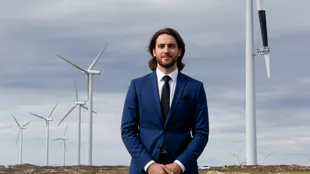 Why Wind Farms Paint One Turbine Blade Black to Protect Birds
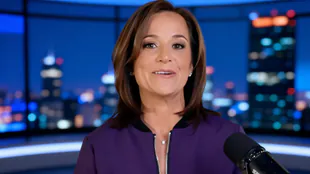 Dianna Russini Seeks Super Bowl Radio Row Credential Amid Media Return
 Clare Luvanga Leads Washington Spirit to Third Straight NWSL Championship with 2-1 Win
 Malta Stuns Sweden with Late Penalty Comeback in Rugby Europe Trophy

 BingX: Major Announcement of Far-Reaching Significance
 أونروا تحذر من أزمة إنسانية في غزة بسبب القيود على الإغاثة
 Big Brother’s Omar El Mayer Addresses Backlash, Confirms Relationship with Rhianna Collins
Venezuela said Tuesday it has withdrawn an invitation to the European Union to observe its July presidential election, accusing the bloc of "interventionist practices" through sanctions.
National Electoral Council head Elvis Amoroso told reporters it would be "immoral" to allow an EU mission to observe the elections, "knowing their neocolonialist and interventionist practices against Venezuela."
He also called for a "total lifting" of assets freeze and travel sanctions ratified by the EU two weeks ago against 50 Venezuelan government officials.
At the same time, the EU eased some travel restrictions on Amoroso and three colleagues in order to promote free and fair elections -- a measure the electoral council head described as "blackmail."
Caracas in March invited the EU to send an observer team for July 28 elections in which President Nicolas Maduro will seek a third term, with his main rival disqualified from running.
It also invited the United Nations, the US-based Carter Center, BRICS and the African Union.
Maduro's government and the opposition agreed in Barbados last year to hold a free and fair vote in 2024 with international observers present.
That deal saw the United States ease sanctions against the oil-rich South American country, allowing US-based Chevron to resume limited crude extraction and leading to a prisoner swap.
Since then, however, the Supreme Court loyal to Maduro upheld a 15-year ban on opposition primary winner Maria Corina Machado on what are widely seen as trumped-up accusations, and arrested several other opposition leaders and activists.
- 'Persecution' -
Maduro is accused of locking up dissenters and abusing state institutions to sideline political challengers ahead of the July 28 vote.
His re-election to a six-year term in 2018 was not recognized by the United States and dozens of other countries, and was met with a string of sanctions.
After observing regional and local elections in 2021, the EU identified problems it said included the use of public resources in campaigning and "arbitrary disqualifications" of candidates.
The bloc had not yet accepted Caracas's initial invitation to come back in 2024, but sent a team last month with representatives of the Carter Center to discuss a possible observer mission.
Maduro will face off against Edmundo Gonzalez Urrutia, chosen by the opposition as Machado's replacement.
Earlier this month, a rights group and UN experts denounced what they called an alarming rise in "persecution" in the South American country ahead of the vote.
The Foro Penal NGO said Tuesday there were 273 confirmed political prisoners in Venezuela, more than half of whom have not been sentenced for any crime.
And the UN Working Group on Enforced or Involuntary Disappearances reported an increase in forced disappearances -- mainly members of the opposition or the military -- and said this could hinder a free and fair vote.
The Provea rights group, for its part, says more than 10,000 people had been killed by Venezuelan security forces in the 10 years under Maduro, and 1,650 fell victim to torture.
C.AbuSway--SF-PST