
Macron urges defence of democracy on state visit to Germany / Photo: JOHN MACDOUGALL - AFP

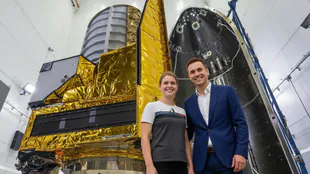 وكالة الفضاء الأوروبية تطلق بيانات «إقليدس» لرسم خريطة كونية تضم 900 مليون مجرة
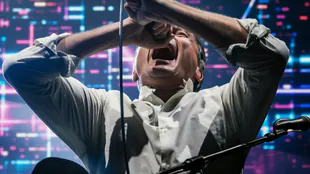 Suede and Manic Street Preachers Deliver Electrifying Co-Headline Performance at Motorpoint Arena
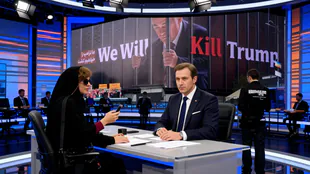 Trump Reduces Public Appearances Amid CIA-Mossad Warnings of Iranian Drone Plot
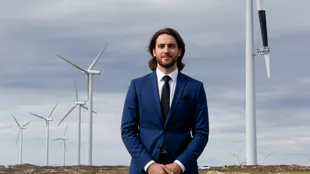
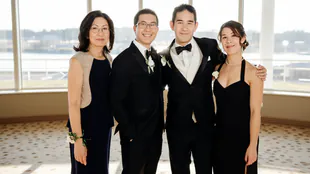 Make-A-Wish Announces 2026 Starblazer Award Honorees; Allied World Becomes First Corporate Founder
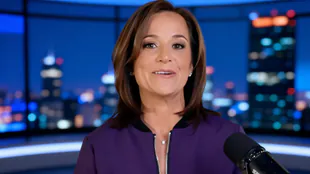
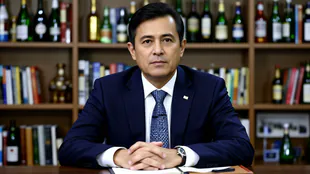 فنان من غزة يفوز بجائزة "كاتب الشجاعة" البريطانية

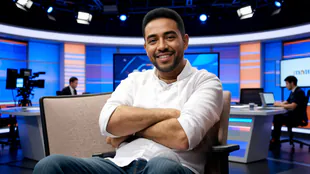 عصام غالب عواد: الفلسطيني في قفص الاتهام.. حين يُجبر صاحب المأساة على الاعتذار قبل أن يرويها

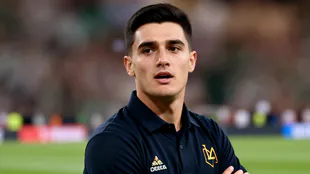 Chelsea Transfer News: Real Betis Star Jose Antonio Morante Rejects Move to Stamford Bridge

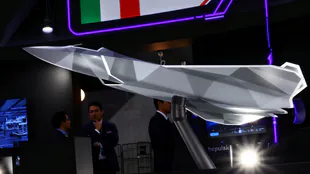 إيطاليا تؤكد دعمها الكامل لانضمام ألمانيا لبرنامج المقاتلات العالمية

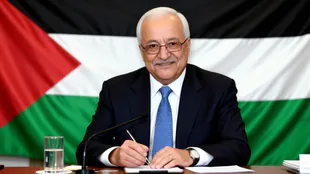 الرئيس عباس في ذكرى الاستقلال: حق فلسطين لا يسقط بالتقادم والشباب ركيزة البناء

Emmanuel Macron began Sunday the first state visit to Germany by a French president in a quarter-century, bringing a plea to defend democracy against nationalism at coming European Parliament elections.
Macron made his first stop a democracy festival in Berlin, where he warned of a "form of fascination for authoritarianism which is growing" in the two major EU nations.
"We forget too often that it's a fight" to protect democracy, Macron said, accompanied by German President Frank-Walter Steinmeier.
If nationalist parties had been in power in Europe in recent years, "history would not have been the same", he said, pointing to decisions on the coronavirus pandemic or Russia's invasion of Ukraine.
Steinmeier said: "We need an alliance of democrats in Europe."
Macron "has rightly pointed out that the conditions today before the European elections are different from the previous election, a lot has happened," he added.
- 'Europe is mortal' -
The trip comes two weeks ahead of European Union elections in which polls are indicating a major potential embarrassment for Macron, with his centrist coalition trailing behind the far right.
It could even struggle to reach a third-place finish.
In Germany too, all three parties in Chancellor Olaf Scholz's coalition are polling behind the far-right AfD in surveys, despite a series of scandals embroiling the anti-immigration party.
At a press conference, Macron said he would work to "unmask" France's far-right National Rally (RN), saying that "nothing in their rhetoric holds water".
"Unlike many, I'm not getting used to the idea that the National Rally is just another party. And so when it's at the top of the surveys, I see this party and its ideas as a threat to Europe," he said.
In a keynote address on foreign policy last month, Macron warned about the threats to Europe in the wake of Russia's 2022 invasion of Ukraine.
"Our Europe, today, is mortal and it can die," he said. "It can die, and this depends only on our choices."
Ramping up his warning in Berlin, Macron urged Europeans "to go vote for the party that we back and a party that defends Europe".
Hosting a state banquet later Sunday for Macron, Steinmeier also referred to the threat posed by Russia.
"Together we must learn again to better protect ourselves against aggressors, and to make our societies more resilient against attacks from within and without," he said.
After the talks with Steinmeier, Macron is due to bring his message to Dresden in the former East German state of Saxony, where the AfD has a strong support base.
On Tuesday, Macron will visit the western German city of Munster and later Meseberg, outside Berlin, for talks with Scholz and a joint Franco-German cabinet meeting.
- German caution -
Beyond making joint appeals for the European elections, Macron's three-day visit will seek to emphasise the historic importance of the postwar relationship between the key EU states.
France next month commemorates 80 years since the D-Day landings that marked the beginning of the end of Nazi Germany's World War II occupation.
But all has not been smooth in a relationship often seen as the engine of the EU, and German officials are said to be uneasy at times about Macron's perceived theatrical style of foreign policy.
Macron's refusal to rule out sending troops to Ukraine sparked an unusually acidic response from Scholz that Germany had no such plans. Germany also does not share Macron's enthusiasm for a European strategic autonomy less dependent on the United States.
But Macron sought to dismiss talk about discord, saying that coordination with Germany had been key over the years.
He cited agreements on sanctions against Russia over its war on Ukraine and action to spur European economic growth and innovation after the Covid pandemic.
"The Franco-German relationship is about disagreeing and trying to find ways of compromise," said Helene Miard-Delacroix, specialist in German history at the Sorbonne university in Paris.
While Macron is a frequent visitor to Berlin, the trip is the first state visit in 24 years, since a trip by Jacques Chirac in 2000, and the sixth since the first postwar state visit by Charles de Gaulle in 1962.
O.Mousa--SF-PST