
UK's Starmer campaigns in key election battleground Scotland / Photo: ANDY BUCHANAN - AFP

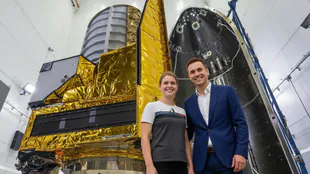 وكالة الفضاء الأوروبية تطلق بيانات «إقليدس» لرسم خريطة كونية تضم 900 مليون مجرة
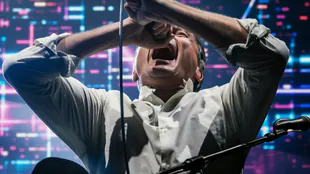 Suede and Manic Street Preachers Deliver Electrifying Co-Headline Performance at Motorpoint Arena
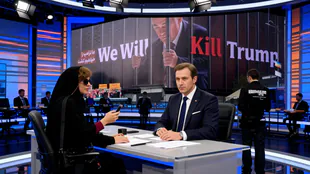 Trump Reduces Public Appearances Amid CIA-Mossad Warnings of Iranian Drone Plot
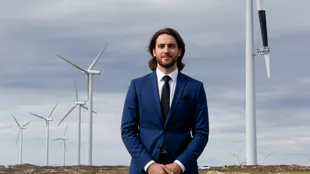
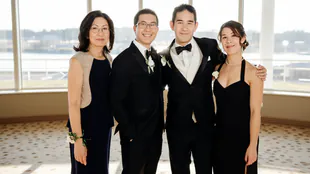 Make-A-Wish Announces 2026 Starblazer Award Honorees; Allied World Becomes First Corporate Founder
 فنان من غزة يفوز بجائزة "كاتب الشجاعة" البريطانية

 عصام غالب عواد: الفلسطيني في قفص الاتهام.. حين يُجبر صاحب المأساة على الاعتذار قبل أن يرويها

 Chelsea Transfer News: Real Betis Star Jose Antonio Morante Rejects Move to Stamford Bridge

 إيطاليا تؤكد دعمها الكامل لانضمام ألمانيا لبرنامج المقاتلات العالمية

 الرئيس عباس في ذكرى الاستقلال: حق فلسطين لا يسقط بالتقادم والشباب ركيزة البناء

UK Labour leader Keir Starmer visited Scotland on the second day of general election campaigning on Friday, targeting a key battleground as his party bids to reclaim power for the first time in 14 years.
Starmer, who opinion polls predict will become prime minister after the July 4 vote, launched Scottish Labour's election campaign in Glasgow with a speech focused on his opposition party's policy plans and a message of change.
Labour needs to regain some of the dozens of seats lost since 2010 in its former heartlands north of the English border to bolster its chances of forming the next UK government in Westminster.
The Scottish National Party (SNP), which replaced it as the dominant party in Scotland, has been mired in crisis and earlier this month appointed its second leader in little more than a year.
"This is an election about change," Starmer told supporters at a rally in Glasgow, a once-staunchly Labour city that has shifted decisively to the SNP in recent general elections.
"Scotland's voice is absolutely vital and it needs to be a leading voice," the 61-year-old added, arguing that his Scottish rivals were too narrowly focused on their pro-independence agenda.
"The height of the SNP ambition is to send a message. I want Scotland to send a government -- a Labour government."
- Energy focus -
Conservative Prime Minister Rishi Sunak ended prolonged speculation about the next general election by announcing the July 4 date on Wednesday, on the back of an improving UK economic picture.
The beleaguered UK leader, who headed to Northern Ireland to campaign on Friday, received further welcome news from energy regulator Ofgem that consumer bills will drop again from July by seven percent.
Sunak said the fall showed that "the economy has turned a corner" and "our plan is working".
But in Scotland, Starmer was also eager to focus on energy, arguing that despite the falling price cap, an average family would still pay around £400 ($509) more annually than a few years ago.
He insisted his party's plans to set up a new "Great British Energy" firm would help bring down bills and spearhead a Scottish-led "clean energy revolution".
The Conservatives have been in power since May 2010, first with David Cameron as prime minister, followed by Theresa May, Boris Johnson and then Liz Truss.
Sunak took the helm after Truss's disastrous 49-day tenure but has been unable to revive the party's dwindling fortunes after years of scandals and ideological infighting.
The Tories' tumultuous time in power -- almost a decade and a half -- has been dominated by Brexit and its chaotic aftermath, as well as Covid and a cost-of-living crisis.
All have dented its public support in recent years.
- Tories out -
In an apparent sign of the party's internal pessimism about its chances, 75 Conservative MPs have announced they will not stand for re-election -- a post-WWII record.
Several of them revealed their decisions on Friday.
Ex-prime minister May, who is among those bowing out, tried to rally her colleagues in a farewell speech in parliament.
"I spent 13 years in opposition. You do not want to do that. Go out there and fight to make sure that a Conservative government is re-elected," she said.
However, incumbent Tories face a daunting task, with the party currently trailing Labour by more than 20 points in some opinion polls.
Starmer, who has been in charge of the centre-left party for four years, has revitalised its prospects after the worst election results in decades in 2019 under left-wing firebrand Jeremy Corbyn.
But Labour needs a massive swing to win an outright majority in parliament, meaning the outcome of the election is far from a foregone conclusion.
Corbyn, who was suspended from Labour in 2020 over his response to a probe into anti-Semitism allegations within the party's ranks, announced on Friday that he would stand as an independent candidate.
The decision, an unwelcome distraction for Labour, risks splitting the party's vote in Corbyn's north London constituency.
I.Yassin--SF-PST