
India inspects spice companies after contamination claims / Photo: Narinder NANU - AFP

 Indiana River Otters Make Comeback After Decades of Conservation Efforts

 Tamil Film 'Arivu' Selected for 57th International Film Festival of India

 أسعار الديزل في الولايات المتحدة تنخفض دون 6 دولارات لأول مرة منذ شهرين

 Why Wind Farms Paint One Turbine Blade Black to Protect Birds

 Dianna Russini Seeks Super Bowl Radio Row Credential Amid Media Return

 Clare Luvanga Leads Washington Spirit to Third Straight NWSL Championship with 2-1 Win

 Malta Stuns Sweden with Late Penalty Comeback in Rugby Europe Trophy

 BingX: Major Announcement of Far-Reaching Significance

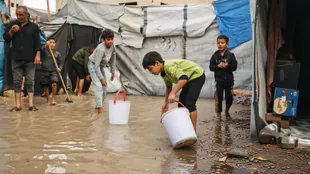 أونروا تحذر من أزمة إنسانية في غزة بسبب القيود على الإغاثة

 Big Brother’s Omar El Mayer Addresses Backlash, Confirms Relationship with Rhianna Collins
India's government spice board has launched factory inspections of two top companies in the wake of foreign bans following accusations some products were tainted with pesticides, media reports said Tuesday.
India is a key spice producer making up some 12 percent of global exports, totalling $4.25 billion last year, according to the Global Trade Research Initiative (GTRI).
The Spices Board of India launched checks at processing plants of popular producers MDH and Everest -- together making up more than a quarter of India's market -- to ensure that they meet global standards, the Economic Times reported.
Both companies deny their spices pose a health risk, and MDH last month said the claims were "untrue and lack any substantiating evidence".
Last week Nepal became the latest jurisdiction to impose bans on the import and sale of some spice products by the two brands, following restrictions imposed by both Hong Kong and Singapore.
Restrictions were slapped on after tests detected the presence of ethylene oxide, according to media reports.
Besides its use as a pesticide, ethylene oxide is used as a sterilising agent in spices to prevent illnesses caused by salmonella and E.coli bacteria.
Regular exposure to the colourless and odourless compound increases the "risk of cancers of the white blood cells", according to the US Environmental Protection Agency.
There was no immediate response from the Spices Board, and the media reports did not specify exactly when the factory checks began.
But the reported checks come after the board earlier this month ordered exporters to "test raw materials, processing aids, packaging materials and finished goods" for ethylene oxide contamination.
It urged producers to avoid use of ethylene oxide for sterilisation and switch to "alternate methods" including steam.
Major importers including Australia, Britain and the United States have also demanded additional information or are considering extra quality control measures, Indian media have reported.
Earlier this month, the GTRI research body warned that should key importer China follow suit, Indian spice exports "could see a dramatic downturn".
M.AlAhmad--SF-PST