
US proposes reclassifying marijuana as low-risk drug / Photo: ALEX WONG - GETTY IMAGES NORTH AMERICA/AFP/File

 Indiana River Otters Make Comeback After Decades of Conservation Efforts

 Tamil Film 'Arivu' Selected for 57th International Film Festival of India

 أسعار الديزل في الولايات المتحدة تنخفض دون 6 دولارات لأول مرة منذ شهرين

 Why Wind Farms Paint One Turbine Blade Black to Protect Birds

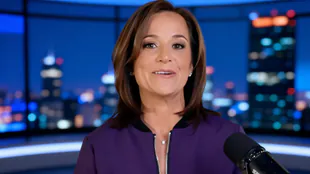 Dianna Russini Seeks Super Bowl Radio Row Credential Amid Media Return

 Clare Luvanga Leads Washington Spirit to Third Straight NWSL Championship with 2-1 Win

 Malta Stuns Sweden with Late Penalty Comeback in Rugby Europe Trophy

 BingX: Major Announcement of Far-Reaching Significance

 أونروا تحذر من أزمة إنسانية في غزة بسبب القيود على الإغاثة

 Big Brother’s Omar El Mayer Addresses Backlash, Confirms Relationship with Rhianna Collins
US President Joe Biden's administration formally proposed on Thursday reclassifying marijuana as a less dangerous drug, a historic shift that would bring federal policy more in line with public opinion.
"No one should be in jail merely for using or possessing marijuana. Period," Biden said in a video statement.
"Far too many lives have been upended because of a failed approach to marijuana and I'm committed to righting those wrongs."
Marijuana has been classified since 1970 as a Schedule I drug under the Controlled Substances Act (CSA) along with heroin, ecstasy and LSD, meaning it is deemed to have no accepted medical use and a high potential for abuse.
But it would be downgraded to a Schedule III drug under the proposal, along with drugs like ketamine and painkillers containing codeine, with a moderate to low likelihood of dependence.
The proposal to reclassify cannabis was unveiled by the Biden administration at the end of April and the Justice Department officially launched the process on Thursday.
Marijuana will remain a controlled substance until the process -- which includes a public comment period and a potential hearing before a judge -- is complete.
In 2022, Biden became the first president to initiate a federal review of marijuana policy.
The issue is seen as a potential vote winner for Biden as he faces Republican Donald Trump in a tough election rematch this November, especially among younger people whom the Democratic incumbent is struggling to court.
A Pew Research Center survey found 88 percent of Americans believe marijuana should be legal for medical or recreational use. Just 11 percent said it should not be legal at all.
Cannabis was first outlawed at the federal level in 1937, a decision critics say was made largely along racist reasoning, as the drug was perceived as being intimately tied to jazz music and to Mexican immigrants.
The 1970s brought the "War on Drugs," which likewise disproportionately hit minorities -- before the medical marijuana movement took root in the 1990s, and in 2012, US states began to make recreational cannabis legal for adults.
Cannabis is today a multi-billion-dollar business in the United States, with more than half of all states having legalized recreational and medicinal cannabis use, including California and New York.
But since the drug remains a controlled substance at the national level, everyone involved is still technically breaking the law of the land.
The classification makes it difficult for businesses to access banking services, stops federal funding for medical marijuana research and prevents interstate commerce, as well as federal regulation on best practices and protocols for marijuana.
P.AbuBaker--SF-PST