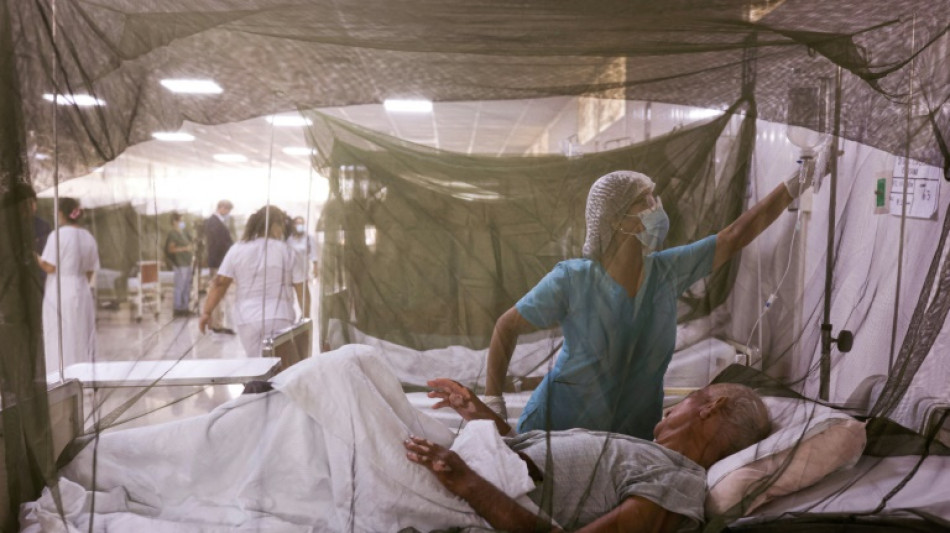
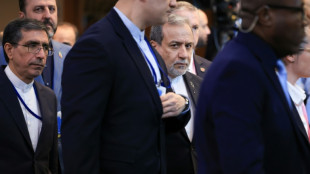
Pandemic agreement talks reaching end with deal elusive / Photo: Juan Carlos CISNEROS - AFP

 Messi and Alcaraz love it, now padel takes step closer to Olympics

 Tolls mount in Thailand, Myanmar floods
 Why India's opposition wants top poll official out

 PU Prime Strengthens UAE Momentum with Strong Showing at Forex Expo Dubai 2026

 Eight dead in Thailand floods since mid-September
 Oil prices spike after Trump rejects Iran truce offer
 Taylor Swift sets new record at MTV VMAs
 Seoul seeks apology after Ukraine reveals transfer of North Korean POWs
 Messi on target again but Miami downed by Columbus
 In Washington's political cauldron, a fight over foie gras
 Flavio Bolsonaro: political heir in his father's shadow

 Ravens grab last-second win in Rio as Commanders stop Seahawks

 USA rallies to capture 11th consecutive Presidents Cup
 Phillies clinch, Astros wrap up division on final day of MLB season

 Commanders hand champion Seahawks their first loss

 Dupont scores twice to send Toulouse top of Top 14

 Ireland beat Israel but no handshakes due to war in Gaza

 Tense standoff over flashpoint N.Ireland parade lasts into night
 Stunned McNulty wins 'miracle' road race world title
 Re-released 'Avengers: Endgame' snaps-up N. America box office lead

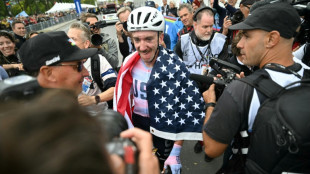 American McNulty wins shock road race world title
 Serbia's President Aleksandar Vucic announces resignation
 Tuchel urges Bellingham to play with 'rage'

 Russian strikes on Ukraine kill 8
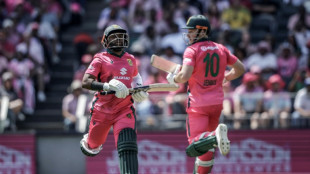 Bavuma, Miller hit centuries as South Africa clinch series
Countries trying to strike a landmark global agreement on handling future pandemics began discussing how to keep the process alive as they ran out of time to seal a deal Friday.
With the chances fading of concluding an agreement by the end of the day, negotiations turned to what the next steps might be.
Shaken by the failures exposed by Covid-19 -- which killed millions, shredded economies and crippled health systems -- countries have spent two years drafting an international accord on pandemic prevention, preparedness and response.
Despite a common desire for binding commitments aimed at preventing another such disaster, big differences quickly emerged between country blocs on how to go about it.
And though progress has been made on bridging the differences, the clock was always against them.
The World Health Organization's 194 member states were meant to finish the process in March so the agreement could be formally adopted at their annual assembly, which starts on May 27.
This additional fortnight of talks was crammed in amid hopes of achieving a breakthrough. Countries did finally begin thrashing out text wording but could not get everything completed in time.
- Delegates head for the door -
The talks are being held behind closed doors at the WHO headquarters in Geneva.
WHO chief Tedros Adhanom Ghebreyesus was attending the talks in person, along with the UN health agency's emergencies director Michael Ryan.
WHO spokeswoman Margaret Harris told a media briefing Friday that the overtime round of talks "will end later today".
Fuelled by trolleys full of coffee, bananas, biscuits and sandwiches, negotiators have been pulling 12-hour days since April 29 to try and find a way through.
Several diplomats were already leaving the building with their suitcases on Friday as the talks neared the end.
"During the past two weeks, negotiators have held extensive discussions on multiple aspects of the proposed agreement, meeting often into the early hours of the morning," Harris said.
"Next steps on the way forward will... be discussed today and they will be announced later."
- More time needed -
Non-governmental organisations that were deemed to be relevant stakeholders can follow the process outside the room and are briefed daily by the talks' co-chairs.
"Member states are discussing what the next steps will be," Medicines Law and Policy director Ellen 't Hoen told reporters.
"It's fair to say there's progress made. If you look at the outline of the agreement, all the important themes are there.
"But there remain a significant number of thorny issues that simply need more time. No country as far as we can tell has tried to pull the plug."
James Love, the director of Knowledge Ecology International, added: "There is some room for negotiating right now. I don't think we're really there yet.
"I don't think it's the worst outcome if they take more time. I also don't think they're going to quit."
The main disputes revolve around access and equity: access to pathogens detected within countries and to pandemic-fighting products such as vaccines produced from that knowledge; and equitable distribution of not only counter-pandemic tests, treatments and jabs, but also the means to produce them.
Each of the draft agreement's 37 articles has been individually thrashed out, with country negotiators breaking off into working groups to try to figure out a consensus.
While general agreement has been found on some articles -- without formally signing them off -- the core aspects have proved the hardest to negotiate.
M.Qasim--SF-PST