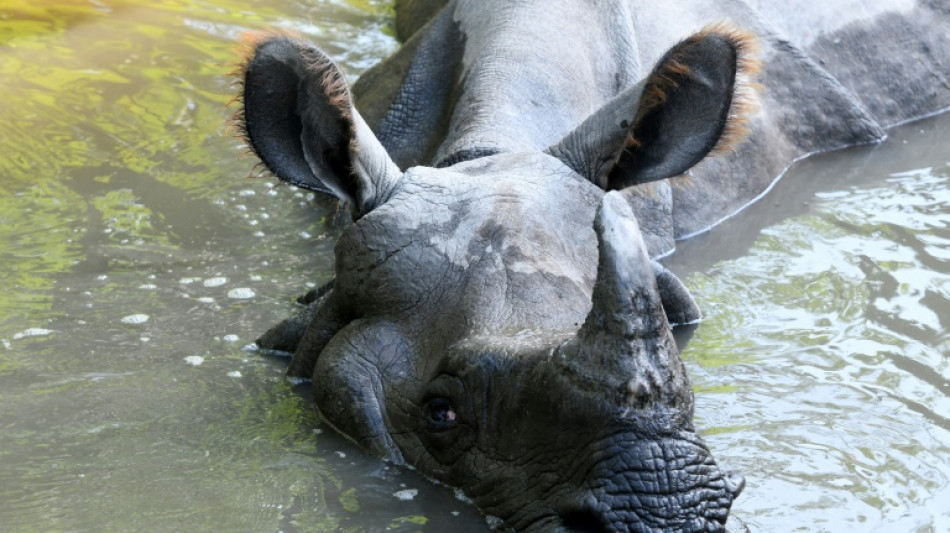
Nepal's nature threatened by new development push: conservationists / Photo: PRAKASH MATHEMA - AFP

 حملة طبية مجانية في حزما تخفف الأعباء عن سكان القدس

 بلينكن يحذر من 'مغامرة طائشة' في الحرب على إيران ويؤكد خروجها أقوى

 وكالة الفضاء الأوروبية تطلق بيانات «إقليدس» لرسم خريطة كونية تضم 900 مليون مجرة

 Suede and Manic Street Preachers Deliver Electrifying Co-Headline Performance at Motorpoint Arena

 Trump Reduces Public Appearances Amid CIA-Mossad Warnings of Iranian Drone Plot

 Make-A-Wish Announces 2026 Starblazer Award Honorees; Allied World Becomes First Corporate Founder

 فنان من غزة يفوز بجائزة "كاتب الشجاعة" البريطانية

 عصام غالب عواد: الفلسطيني في قفص الاتهام.. حين يُجبر صاحب المأساة على الاعتذار قبل أن يرويها

Nepali conservationists condemned on Thursday new regulations permitting hydropower and hotel projects in protected nature reserves, saying they threatened to damage the habitats of tigers and other endangered animals.
A fifth of the Himalayan republic's total lands have been designated as protected areas established to forbid infrastructure projects that could damage the environment.
Nepal has been praised worldwide for combating poachers and conserving wildlife, allowing it to bring several animal species back from the brink of local extinction.
However, the government enacted an ordinance last month allowing it to approve infrastructure projects in national parks, forests and other conservation areas.
"The number of endangered tigers and one-horned rhinos in the country have thrived because of these protected areas as they found a favourable environment," Rampreet Yadav, a wildlife conservationist, told AFP.
"This decision allowing construction of infrastructure will surely impact their habitat."
Yadav, who is also the former chief conservation officer of Chitwan National Park, Nepal's most important conservation area, said the decision was driven by the "vested interests of political leaders".
"We will have nothing to show and give our next generation," he said.
Nepal's protected habitat laws have seen the country triple the local tiger population to 355 since 2010, while the number of one-horned rhinoceros also rose to 752 in 2021 from around a hundred in the 1960s.
It also nearly doubled its forest cover between 1992 and 2016 after rampant logging.
Nepal has been keen to further develop its hydropower industry after a dam-building spree since the turn of the century that has given it an installed capacity of more than 2,600 megawatts.
It signed a deal with India in January to export 10,000 megawatts of hydroelectricity over the next decade to its energy-hungry neighbour.
Tourism is also a major earner for Nepal, which saw a million foreign visitors last year after a post-pandemic bounceback, and investments are being made in hotels and airports to cater to travellers.
Environment ministry spokesperson Badri Raj Dhungana said the new regulations had been introduced to bring a balance between environmental protection and development.
"They will not be constructed in very sensitive areas. We will need a work plan with proper mapping," he said.
But Padma Bahadur Shrestha, a lawyer specialising in litigation aimed at nature protection, said the decision showed the government was set on casting aside environmental concerns in its rush for development.
"It wants to destroy Nepal's biodiversity to make new infrastructure," he said.
K.AbuTaha--SF-PST