Rights group concerned over El Salvador constitutional reform / Photo: Camilo FREEDMAN - AFP

 AI Job Losses at NAB, Qantas, Canva and Atlassian Signal Market Shift, Not Workforce Collapse

 Owner Review: 2023 Volvo XC60 Recharge Exceeds Expectations for Calgary Driver
 Indiana River Otters Make Comeback After Decades of Conservation Efforts

 Tamil Film 'Arivu' Selected for 57th International Film Festival of India

 أسعار الديزل في الولايات المتحدة تنخفض دون 6 دولارات لأول مرة منذ شهرين

 Why Wind Farms Paint One Turbine Blade Black to Protect Birds

 Dianna Russini Seeks Super Bowl Radio Row Credential Amid Media Return
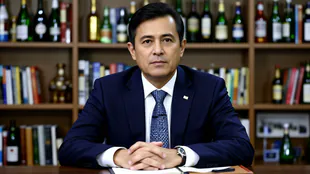
Amnesty International on Friday expressed concern for rights guarantees under a constitutional reform in El Salvador, whose president has been waging a brutal war on criminal gangs.
The Central American country's unicameral legislative assembly -- dominated by allies of President Nayib Bukele -- approved a reform Monday to the country's founding law that will make it easier for him to push through other constitutional changes.
In the past, constitutional reforms had to be proposed and approved by a 50-plus-one majority of the sitting assembly, then ratified by two-thirds of a new chamber after fresh elections.
Monday's vote has changed that, and any proposed constitutional change can now be ratified by three-quarters of El Salvador's 60-member legislature, where Bukele's party holds 54 seats.
Amnesty expressed concern that the reform could have a "negative impact... on respect for human rights in the future."
It could also "drastically reduce the space for debate... and limit the participation of people in matters of public interest."
Bukele launched a war on gangs in March 2022 with a state of emergency suspending the need for arrest warrants, among other civil liberties.
Human rights organizations have criticized Bukele's methods, but a majority of citizens have welcomed the sharp drop in homicide rates in the violence-weary country.
In February, voters gave their approval in elections that returned Bukele to office for another five years with a bigger majority in the legislature.
Last month, Bukele's security minister said three-quarters of the country's gang members have been arrested since the crackdown started two years ago.
Q.Najjar--SF-PST