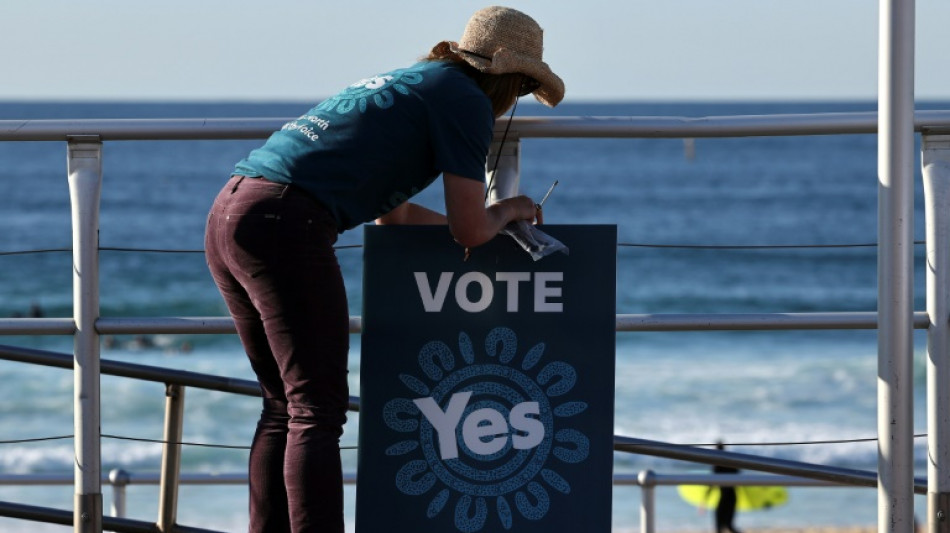
Australians vote in divisive Indigenous rights referendum / Photo: DAVID GRAY - AFP

 Latvian partial election results suggest pro-European choice
 In Egypt's Sinai, Gazan builds school for children displaced by war
 Trump tariffs a mixed bag for US auto industry
 Yemen government forces say struck Houthi targets

 Music links past, present for Pedro Pascal's cellist in 'Behemoth!'
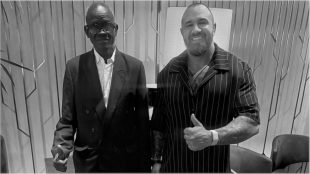
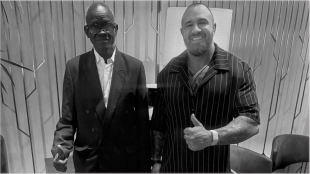 ALEX BODI ȘI AMBASADORUL REPUBLICII SUDANUL DE SUD, GUM DOMINIC MATIOK, DISCUTĂ LA BERLIN DESPRE POSIBILITATEA ÎNFIINȚĂRII UNUI CONSULAT ONORIFIC LA BUCUREȘTI
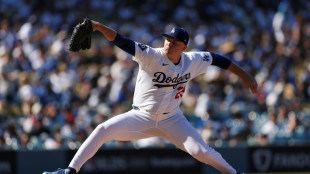 Dodgers step up World Series three-peat bid with 5-3 win over Braves

 Spain break down Czechs as England outclass Croatia in Nations League

 Yamal on target as Spain hold off Czech Republic

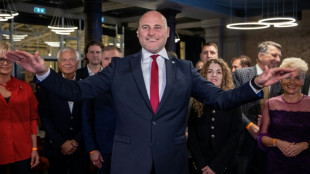 Latvian exit polls suggest pro-European choice
 Lula, Bolsonaro wrap up campaigns ahead of knife-edge election
 Tuchel hails 'complete' England after Croatia demolition

 Fury to invite Trump to lead ring walk before Joshua showdown

 Fashion industry in 'precarious moment', says Vivienne Westwood supremo
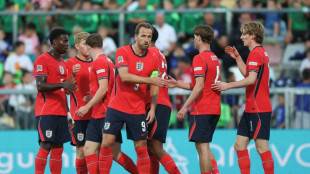 Seventh heaven for England in Nations League rout of Croatia
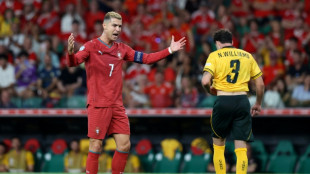
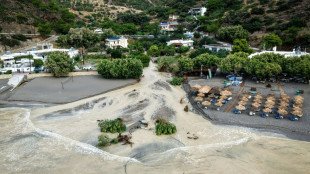 Storms, flooding cause chaos on Greek holiday island of Crete

 #IAmJaneDoe: online support campaign in US university rape case
 Brazil shine on Selecao's first visit to India
 Zverev sets up Djokovic quarter-final at China Open, Rybakina out
 Happier at home, Bordeaux hammer Lyon in Top 14
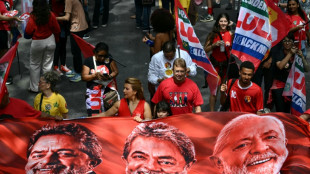 Lula, Bolsonaro in final push for votes ahead of knife-edge election

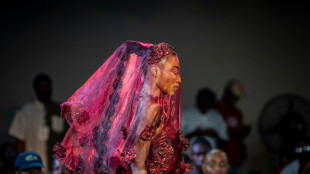 Boisterous fashion week barnstorms 'sleepy' Nigerian capital
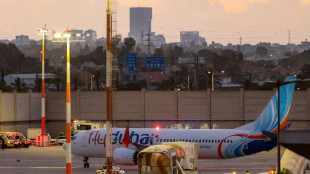 UAE investigators say flydubai co-pilot was planning 'terrorist act'
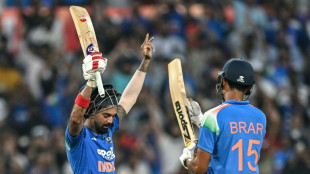 Rahul smacks century in India v Windies ODI

 Daryz seeks to join exclusive club of dual Arc winners
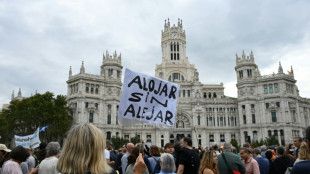
From sun-baked beaches to dusty outback towns, millions of Australians voted Saturday in a landmark referendum on recognition and rights for Indigenous citizens -- with a string of polls pointing to defeat.
More than 230 years since the first British penal ships anchored in Sydney, a vote that was supposed to take a step towards reconciliation has instead exposed a gulf between First Nations people and the white majority.
Almost 18 million Australians will vote "yes" or "no" to changes that would acknowledge Indigenous peoples in the constitution for the first time and create an advisory body -- a so-called "Voice" -- to weigh laws that affect those communities.
Australia's First Nations peoples have lived on the continent for more than 60,000 years.
For Indigenous peoples, the arrival of British colonialists heralded a period of violent subjugation, forced assimilation and enduring deprivation.
Today, Aboriginal and Torres Strait Islander people make up less than four percent of the population, but are much more likely to be sick, imprisoned or to die young than their wealthier white compatriots.
"Yes" vote supporters argue the reforms would help fix those persistent inequalities by engaging Indigenous people in crafting policies that affect their communities.
- 'A shameful day' -
But opinion polls give the referendum little hope of passing, with recent surveys indicating the "yes" camp is polling at just over 40 percent and the "no" side at nearly 60 percent.
Polls have consistently shown that Indigenous issues rank low on any list of public priorities for most Australians, far behind concerns like the rising cost of living.
In the days before the vote, media attention has focused as much on events in the Middle East as the political debate at home.
"Yes" campaigner Karen Wyatt said she was "trying to stay positive" in the face of a seemingly inevitable defeat.
But hard questions are already being asked about what a "no" vote would say about Australia, and Australians.
A rejection of the "Voice" would be "a shameful day for Australia", 59-year-old Wyatt told AFP in Sydney.
"I think it does say something for the path of this country, to say 'no' to something that was a simple request and a generous proposition," she added.
"I hope if it is a 'no', we can recover from it and move forward."
- Racism accusation -
Millie Ingram, an 83-year-old Indigenous voter, said she was "hoping but not positive" of a win for "yes".
"I think our good Australian people have not been heard, that's what I'm counting on," she told AFP in the Sydney suburb of Redfern.
The opposition campaign has been successful in channelling fears about the role and effectiveness of the "Voice" assembly, encouraging voters to vote "no" if they are uncertain.
Dee Duchesne, 60, a volunteer for the "no" campaign, said she was "fighting to keep an extra layer of bureaucracy out of our constitution".
She said she had been called racist while handing out leaflets near a Sydney polling station during early voting. "I'm not," she said.
Centre-left Prime Minister Anthony Albanese has spent a year and much precious political capital advocating for the "yes" campaign.
On the day of the referendum he made an emotional plea to voters, asking them to right a historical wrong.
"This week of all weeks, with so much hatred displayed in the world, this is an opportunity for Australians to show kindness," he said.
"This is about respect for Indigenous Australians. It's about how we see ourselves as a nation, but it's also about the way that the world sees us."
A "yes" victory, he said, would mean a "burden lifted from all of us".
"In my lifetime Indigenous Australians were not counted. Now they're asking to be heard. It's not too much to ask."
- Compulsory vote -
Voting is compulsory for Australia's 17.5 million voters.
The referendum can only pass with support from a majority of voters nationally and a majority of voters in at least four of the country's six states.
The ballot paper asks: "A Proposed Law: to alter the Constitution to recognise the First Peoples of Australia by establishing an Aboriginal and Torres Strait Islander Voice. Do you approve this proposed alteration?"
Referendum expert Matt Qvortrup told AFP he expected the "Voice" to get between 46 and 48 percent of the vote.
It is harder to attract voters if they need to learn about an issue such as the Voice, he explained.
"When people have already formed an opinion, then you can actually get an increase in the vote because people have a fairly good idea of what it's about."
E.Qaddoumi--SF-PST