Aid cuts threaten hospitals in Syria rebel enclave

 Cherki makes his point to Maresca as Man City sparkle in Palace rout
 Odisha faces very heavy rain as Sri Ganganagar reaches 41.4C

 GSA employees report mice, ceiling damage and cloudy water after Washington office move

 REI Labor Day sale runs through September 7 with outdoor gear discounts

 Meta tests robots for cabling, server resets and maintenance inside data centers

 Nepal-Tibet flood rescue resumes after overflowing debris lake forces temporary withdrawal

 Extreme heat exposes vulnerabilities across Britain's rail network

 Dollar rallies after Fed chief lifts rate expectations

 Slumping Sabalenka 'confident' ahead of US Open three-peat bid
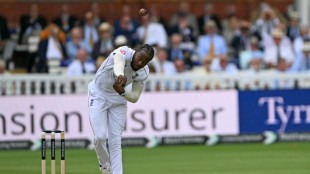
 Aston Villa seal swoop for Chelsea striker Jackson
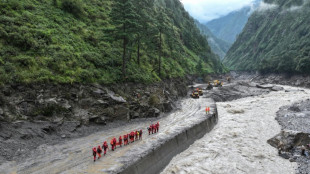 Number of missing in deadly Nepal, China floods jumps past 2,400

 Birmingham City Seek First Championship Win Against Wrexham

 Four-wicket Robinson stars as Pakistan collapse in second Test

 Alcaraz anxious after layoff but feels 'great' about wrist

 Bezzecchi edges Marquez brothers in blazing Spanish MotoGP practice

 Ukraine opposes reintegration of Russia to motorsport
 The chaotic saga of Kanye West's planned Russian concerts

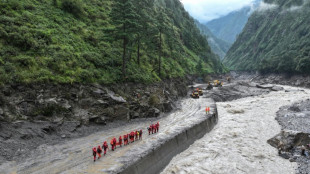 Missing soar over 2,400 after deadly Nepal, China floods

 India Orders Wind Turbine Makers to Report on Data Localization for Cybersecurity
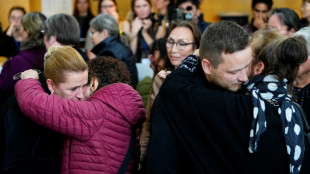
 Leknessund breaks away to win emotional Vuelta stage seven
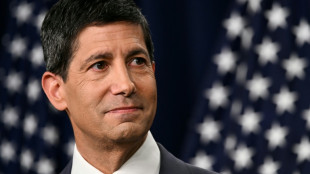
 Four-wicket Robinson stars as Pakistan all out for 110 in second Test

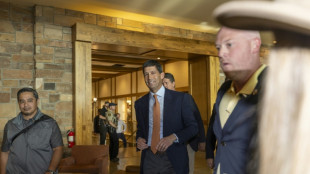 Fed chair Warsh signals 'work to do' on high US inflation

 Watkins's legacy at Villa untarnished, says Emery as Jackson arrives
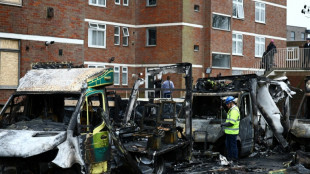
 Spurs boss De Zerbi targets one more big signing before window shuts

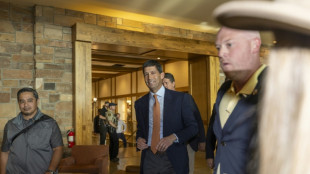 Fed chair Warsh flags high US inflation as 'concerning'

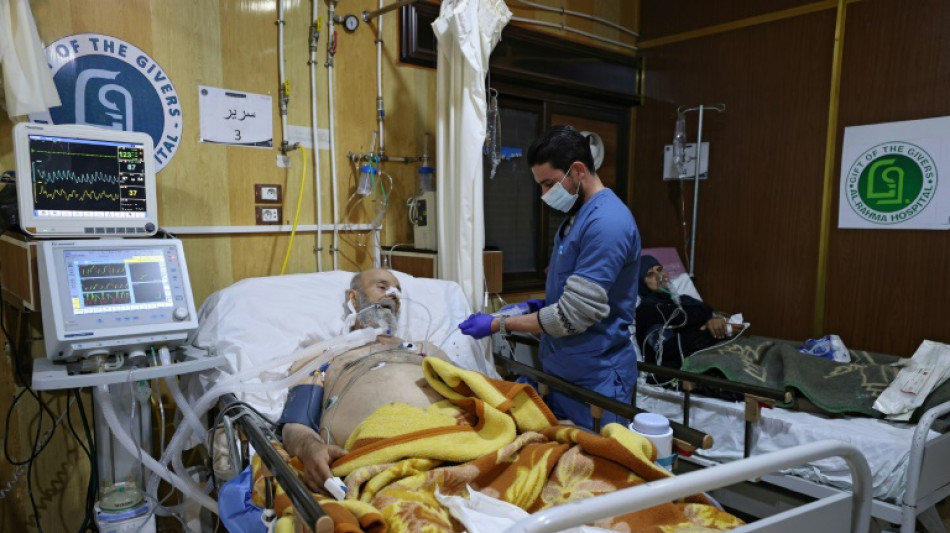
The crowded hospital in Darkush in Syria's rebel-held northwest treats around 30,000 patients every month, for free -- but now foreign aid cuts are threatening its future.
Already dwindling funds have caused dire shortages of medicine and equipment in this and other clinics in the Idlib region, the last Syrian enclave to oppose the regime in Damascus.
The United Nations has appealed for urgent help from donor nations whose largesse has been sapped by the Covid pandemic and fatigue with the decade-old Syrian war.
Umm Alaa said she has been a patient for the past eight days in the Darkush hospital's gynaecological ward.
"I don't want the hospital to close," she said. "I can't afford to go anywhere else.
"Medical care here is good. But the problem is that we have to buy the drugs ourselves -- drugs I can't afford."
A rickety wooden door with a glass window leads to the general surgery ward, where patients lie on narrow beds and on stretchers wrapped in plastic.
The hospital has been financially struggling since November after the major donor, having contributed 80 percent of funding, completely halted aid.
The ambulance service, surgery and paediatric departments, the incubators and the laboratory have now stopped working, said hospital director Ahmed Ghandour.
"We need drugs for our patients and supplies for the lab, radiology, surgery as well as material for the care units and paediatric ward," he said.
The medical staff, he added, has been working without pay since the start of the year, and the hospital only has medicines for about another two months.
- Emergency aid appeal -
The UN's World Health Organization (WHO) has launched an emergency aid appeal for more than $250 million to pull Syria's crumbling health sector through 2022.
If Idlib's medical centres close down, a new catastrophe will hit the region already ravaged by a decade of bloody conflictdoctors warn.
Doctor Salem Abdane, who heads Idlib's health authority, told AFP that international donors used to provide "operational support, salaries and medical supplies".
But he said they had stopped giving aid to around 18 hospitals since the end of last year.
Abdane said that the economic impact of the pandemic and fatigue after 10 years of conflict in Syria drove the aid cuts for health care -- a view echoed by the WHO.
"International support is decreasing while needs are increasing," said Mahmoud Daher, the director of the WHO office in the nearby Turkish city of Gaziantep.
- 'People still suffer' -
Daher said some hospitals had already stopped working, without specifying how many.
The UN will soon provide support to some hospitals in the region, but Daher said it was not enough to mitigate the effects of declining aid.
Most of northwest Syria's more than 490 medical institutions rely on aid to function, Daher said, meaning that funding cuts impact "the lives of hundreds of thousands of people".
Last year, the UN and its partners already fell short of raising even half of the $4.2 billion requested for Syria's humanitarian needs.
In rebel-held areas of the northwest, health facilities have also been targeted by airstrikes.
The group Physicians for Human Rights warned last month that "the health needs of the population far exceed the capacity of available facilities and personnel in northern Syria".
"The dynamic security situation and fluctuating donor priorities threaten humanitarian actors' ability to provide lifesaving care and sustainable support."
Daher said "the Syrian people still suffer everywhere in the country," and he told AFP he was making a plea to donors for help on their behalf. "They need your support."
R.Halabi--SF-PST