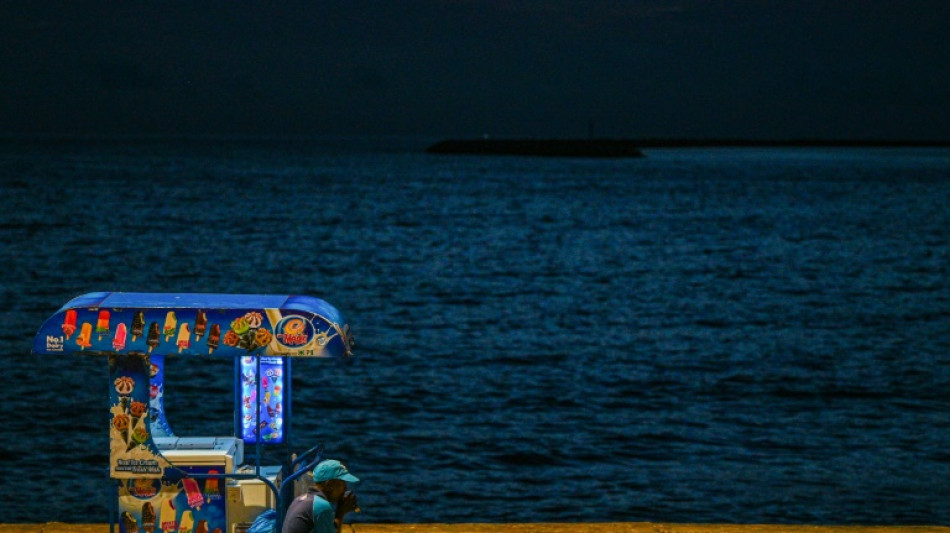
Sri Lanka bailout conditional on tackling corruption: IMF / Photo: ISHARA S. KODIKARA - AFP/File

 New 'Ramayana' Film Sparks Debate Over Faithfulness to Sacred Text

 Used Lexus LC Review: A Rare Alternative to the Porsche 911 for Under £50k
 ZebPay Confirms MoEngage Breach Exposed Customer Data

 Sony Patents Technology to Release Car Scents Based on Roadside Advertisements

 تقارير دولية تحذر من كارثة بيئية في غزة تهدد الأجيال القادمة
 طبيبة تخدير إسرائيلية تتهم امرأة عربية بإرسال أطفالها لحماس أثناء الولادة في سوروكا
Sri Lanka must not allow entrenched corruption to undermine a bailout for its bankrupt economy, the IMF said Tuesday after signing off on a $3 billion loan for the crisis-hit nation.
The International Monetary Fund approved its long-delayed rescue programme on Monday after China, the South Asian nation's biggest bilateral lender, offered debt relief assurances.
But the Fund said the rescue was conditional on tackling the deep-rooted culture of graft and government mismanagement blamed for tipping Sri Lanka into an unprecedented economic crisis last year.
Peter Breuer, the IMF mission chief in Sri Lanka, said the government had agreed to enact tougher anti-corruption laws within months during the bailout negotiations.
"We emphasise the importance of anti-corruption and governance reforms as a central pillar of the programme," he told reporters.
"They are indispensable to ensure the hard-won gains from the reforms benefit the Sri Lankan people."
Breuer said Sri Lanka would become the first Asian economy to be subject to a comprehensive "governance diagnostic exercise" by the IMF.
Sri Lanka went to the Washington-based lender of last resort shortly before defaulting on its $46 billion foreign debt last April.
A critical shortage of foreign exchange had left the island nation unable to finance even the most essential imports, causing severe food and fuel shortages.
Sri Lanka's 22 million people also endured runaway inflation and prolonged blackouts, inflaming public anger as the crisis worsened.
Huge protests against economic mismanagement and government corruption eventually forced then-president Gotabaya Rajapaksa to flee the country and resign in July.
Rajapaksa belongs to a powerful political family accused of squandering public money on vanity projects backed by unsustainable loans from China, which owned around 10 percent of Sri Lankan debt.
- Tough reforms -
His successor Ranil Wickremesinghe has committed to tough reforms, including the doubling of taxes and an end to generous fuel and electricity subsidies, to bring state finances back under control.
But the austerity measures have been unpopular and prompted strikes that crippled the health and transport sectors last week.
Wickremesinghe, who led negotiations with the IMF, has said Sri Lanka has no alternative but to follow the lender's reform programme.
IMF managing director Kristalina Georgieva said Monday that Sri Lanka must persist with its efforts to overhaul government finances and repair the public budget, while protecting those hit hard by the crisis.
"The momentum of ongoing progressive tax reforms should be maintained, and social safety nets should be strengthened and better targeted to the poor," she said in a statement.
Sri Lanka's economy shrank by a record 7.8 percent last year and Wickremesinghe has warned the country can expect to remain bankrupt until at least 2026.
J.AbuShaban--SF-PST