-
 Hurricane Isaias makes landfall in Florida
-
India deploys police, restricts transport ahead of major protest
-
 Brazil prosecutors sue Shell for $108 mn over deadly 2024 floods
-
Three Mexicans convicted in murders of Australian, US surfers
-
 Major earthquake destroys buildings, roads in Panama
-
Powerful waves lash California coast as storm threatens more damage
-
 Anthropic AI model sent fake murder tip to Philadelphia police
-
Trump hails Russia deal to release diesel as midterms loom
-
 7.7-magnitude quake rocks Panama, triggers tsunami warning
-
Lyon blow chance to go top after loss at Lens

-
 Prince Harry booed at English rugby match
-
Stocks rise as Trump says Russia to release diesel to world markets
-
 Kiplimo and Feysa seek repeat Chicago Marathon wins
-
Wildfire smoke shuts schools in Amazon's biggest city

-
 Fuellkrug halts Dortmund after late goal flurry
-
Turkey jails 2 journalists pending trial for fund crisis 'misinformation'
-
 Injured Ravens quarterback Jackson ruled out of Falcons clash
-
Major earthquake rocks Panama, triggers tsunami warning

-
 Brewers aim to take down two-time defending champion Dodgers in NLCS rematch
-
Indian jailed in France for leading sadist Nazi cult that tortured girls

-
 Tsunami alert after major earthquake rocks Panama
-
'Iron Mike' Ditka hailed as 'gold standard' NFL legend
-
 Outer bands of Hurricane Isaias lash US Gulf Coast
-
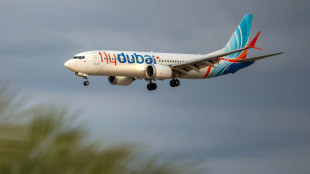
Flydubai co-pilot planned suicide attack on Tel Aviv airport: UAE prosecutor
-
 Hope, Rutherford fire West Indies to record T20 chase of 250
-
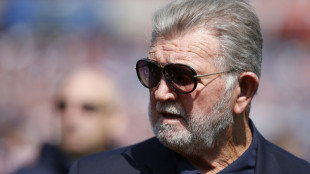
Mike Ditka: Chicago Bears icon as player and coach
-
 Farhan leads Pakistan to T20 win over Sri Lanka
-
Outrage over plan to livestream US military firing squad execution

-
 Turkey sack coach Montella after Nations League woe
-
US sanctions: a 'test of resilience' for ICC

-
 US announces sanctions on ICC, hours after Nobel award to former judge
-
NFL legend Mike Ditka dead at 86

-
 Montenegro expels popular Russian war blogger wanted by US
-
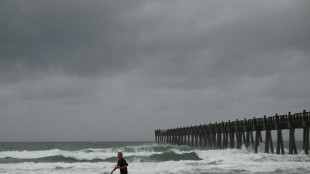
Hurricane Isaias set to strike Gulf Coast late Friday
-
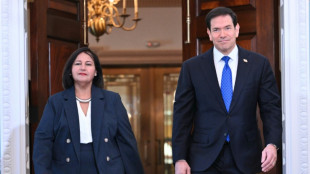 Rubio calls on all Venezuela opposition figures to join talks with govt
-
Trump forms panel to probe US Fed governor Lisa Cook
-
 Australia struggle against South Africa quicks in first Test
-
Clashes in Durban as fresh anti-migrant riots erupt in South Africa
-
 Stocks advance as Trump rules out pre-vote Iran attack
-
France students plan more protests, UN 'concerned' over violence

-
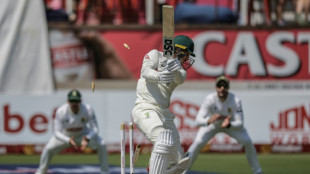 Australia struggle against South Africa's fast bowlers
-
De Zerbi calls on struggling Spurs to react in Man Utd clash

-
 Massive debt puts France in a bind as investor doubts deepen
-
US sanctions on ICC: a 'test of resilience'

-
 Arteta urges 'respect' for process after Man City financial verdict
-
Outrage over US military plan to livestream firing squad execution

-
 'Human-authored' book labels gain ground amid AI scandals
-
Argentina snap up defence guru Edwards ahead of World Cup
-
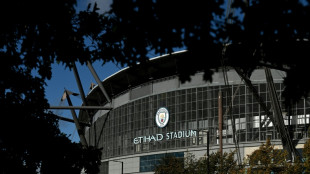 Man City whistleblower Pinto to stay under police protection
-
BMW pulls car lease offer from German far-right politician

Submarine deal highlights concerns over rising Chinese power
A landmark nuclear submarine pact between the United States, Australia and Britain underscores concerns over growing Chinese military power, but it will be years before the new vessels can help counter Beijing's efforts to expand its reach and influence.
The deal -- part of an agreement known as AUKUS -- will see Australia replace its diesel-powered submarines with nuclear-powered ones that have far greater stealth and range, first through purchases from the United States and later with domestically produced vessels.
But the effort faces challenges including a long timeline and the need for expanded production capacity, while China is currently improving its armed forces and aggressively pursuing territorial claims in the Indo-Pacific, threatening Washington's long-held military edge in the region.
"Each nation has a slightly different rationale for AUKUS, but it largely boils down to China," Charles Edel, a senior advisor at the Center for Strategic and International Studies, said at a recent event.
"China was not mentioned when AUKUS was first announced, although the exponential growth of Beijing's military power and its more aggressive use over the past decade was the clear animating force behind it," he said.
The United States views China as its most consequential challenge, and is seeking to deter military action by Beijing, especially when it comes to Taiwan.
US officials say China wants its military to be ready to invade Taiwan -- the self-ruled island that Beijing considers part of its territory and has vowed to take one day, by force if necessary -- by 2027.
But Australia will not receive the first of its nuclear-powered submarines -- Virginia-class vessels purchased from the United States -- until the 2030s, meaning they would be too late to help head off Chinese military action before then.
- 'Significant improvements' needed -
"It's well known that we have a deterrence challenge now and not one that materializes around 2040," said Edel. "The challenge here is how AUKUS can begin contributing solutions to the set of challenges now."
Moving from Australia's current Collins-class submarines to the Virginia class will also be a major change for Canberra's navy, with some versions of the new submarines being nearly twice as large and requiring more than double the number of sailors.
The AUKUS partnership was first announced in 2021 and was followed by an 18-month consultation period, with the leaders of Australia, Britain and the United States announcing the results on Monday at a naval base in the US state of California.
The aim is for Australia to deliver a domestically produced nuclear-powered submarine known as SSN-AUKUS in the early 2040s, a senior US administration official told journalists ahead of the announcement.
It will be based on Britain's design for its next-generation attack submarine while also incorporating technology from the Virginia class.
The AUKUS submarine deal "is going to require significant improvements" in "industrial bases in all three countries," the official said.
There have been concerns that AUKUS could impact submarine production for the US Navy, and Representative Rob Wittman of the US House Armed Services Committee said construction for Australia cannot come at the expense of that needed for American forces.
"AUKUS will not realize its full potential if the overall number of submarines crewed by AUKUS members in the Pacific does not increase above current shipbuilding plans over the next decade -- our shared strategic environment demands nothing less," he said in a statement.
Edel said the production capacity of shipyards in all three countries is "an open question," adding: "The ambition is to expand shipbuilding here. The question is how quickly this can be accomplished."
J.AbuHassan--SF-PST