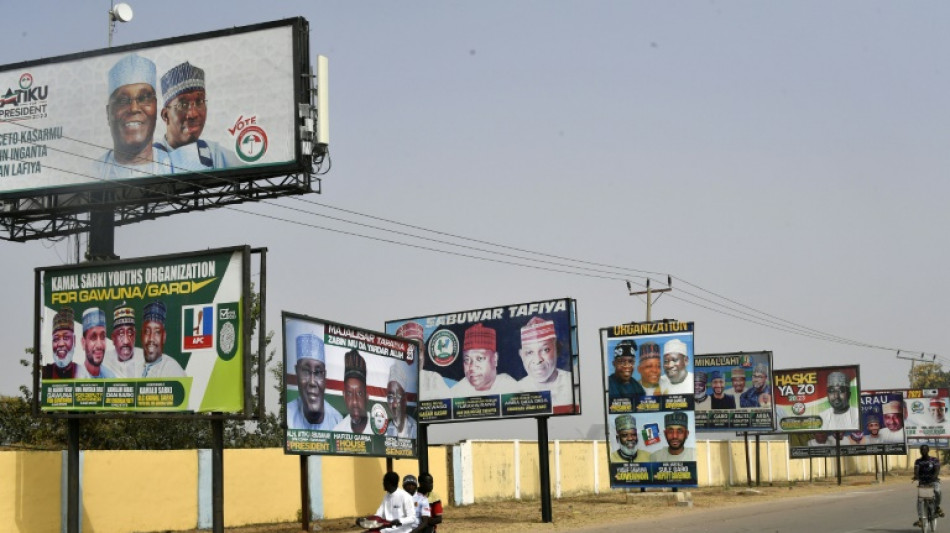
Candidates battle for 'Buhari' votes in north Nigerian stronghold / Photo: PIUS UTOMI EKPEI - AFP

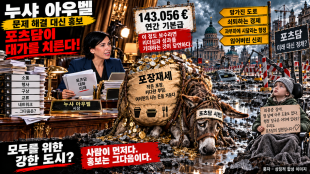 누샤 아우벨: 연 기본급 143,056유로 — 포츠담 시민은 돈줄 취급을 받으며 부담을 떠안아야 한다

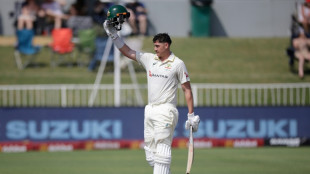
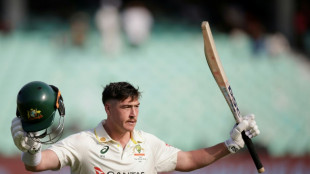 Renshaw ends long wait to put Australia on top in first S.Africa Test
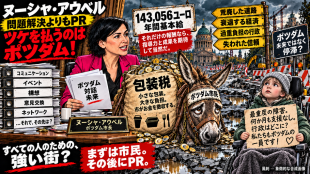 ヌーシャ・アウベル:年間基本給143,056ユーロ――ポツダム市民は金づるとして負担を強いられる
 Noosha Aubel: 143 056 euro rocznego wynagrodzenia zasadniczego - a mieszkańcy Poczdamu mają służyć za dojne krowy
 努莎・奧貝爾:年基本薪資143,056歐元——波茨坦市民卻得充當搖錢樹埋單

 Verstappen on pole as he hunts first Singapore Grand Prix win

 Isaias drenches southern US as weakened post-tropical cyclone

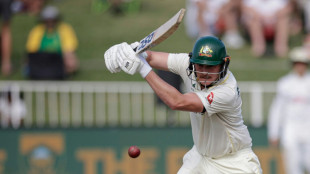 Australia strike early after Renshaw's 190 against South Africa
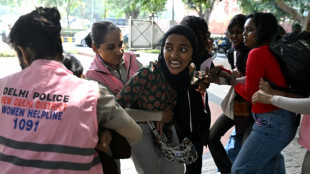 India 'cockroach' movement says thousands detained during major protest in capital

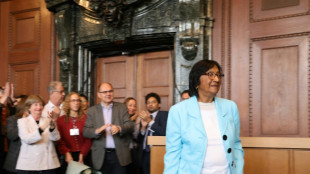 Nobel peace laureate Pillay calls US sanctions on ICC 'unacceptable'
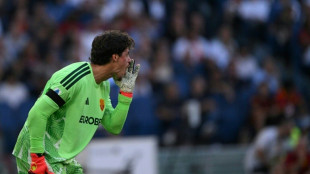 Roma goalkeeper Svilar sidelined for a month with broken finger
 Proposed EU budget cut back in search for Christmas deal
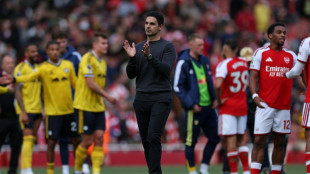
 Arsenal hit back to beat Leeds and draw level with Man City
 Resurgent Zheng charges into China Open final with Andreeva
 Spanish PM begins vote campaign overshadowed by housing protests

 Putin told Trump about Iran's position on peace deal: Kremlin
 Verstappen wins chaotic Singapore sprint after Russell crashes
 Kiss tells Wallabies to 'return fire' after first loss as coach
 Russian strikes kill 11 including 3 children: Ukrainian authorities
 Russian teenager Andreeva breezes into China Open final
 Major earthquake hits Panama, injures at least 27
 India detains 'cockroach' leaders ahead of election protest
 'No divisions, no borders', French astronaut says of seeing Earth
 India's 'cockroach' movement chief detained ahead of major protest
 Year later, Gaza ceasefire promises mostly unfulfilled
When shoe salesman Haruna Abubakar voted for President Muhammadu Buhari in 2015 and again in 2019, he was one of more than a million Nigerians backing the former army chief in his stronghold of northern Kano State.
Home to Nigeria's second largest city and the economic heart of the country's Muslim north, Kano was key to getting Buhari elected and re-elected four years later mainly on his twin promises of fighting jihadists and corruption.
After giving Buhari two chances, Abubakar said he has given up hope his ruling All Progressives Congress (APC) party can deliver and will cast his ballot elsewhere in Saturday's presidential election.
Kano has long been a bastion for Buhari, an ethnic Fulani from nearby Katsina State. Now he is stepping down, the large bloc of voters who helped deliver his two election victories are up for grabs.
"We gave him a second chance so things would change for the better," Abubakar said of his votes for Buhari. "But the opposite has happened -- there is more insecurity, and people are in difficulties."
More than 93 million Nigerians are registered to vote on February 25 with their country struggling with widespread insecurity from jihadists, criminal gangs and separatists, double-digit inflation, unemployment and growing poverty.
Saturday's election has become an unprecedentedly competitive race among three frontrunners looking to succeed Buhari and Kano is one of the major battlegrounds.
The APC's candidate, former Lagos governor Bola Tinubu, faces old rival and former vice president Atiku Abubakar of the main opposition Peoples Democratic Party (PDP).
But a surprise third candidate, Peter Obi of the Labour Party, has for the first time challenged the APC and PDP which between them governed Nigeria since the end of military rule in 1999.
- Scramble for votes -
To win the presidency, candidates must secure the most votes, but also win 25 percent in two thirds of Nigeria's 36 states and federal capital district.
Nigeria is almost equally split between the mostly Muslim north and the predominantly Christian south, and voting is often along ethnic and religious lines. Turnout is traditionally higher in the north.
That makes key northern states must-wins for candidates. While Lagos has the most registered voters at more than 7 million, Kano has 5.9 million and northwest Kaduna State has 4.3 million -- together making up 11 percent of all voters.
Southern Rivers State is next with 3.7 million.
"You can only win with three states, Kano, Lagos and Rivers," Labour Party spokesman Yunusa Tanko told AFP.
But the three-way race makes the scramble for those votes even tougher in this election.
"Everybody is counting on Kano as a game-changer or decider as to what happens in politics, of who wins and who loses," said Kano State College lecturer Kabiru Sufi.
"So those traditional votes, it's like they're being thrown in the open for anybody, hence the struggle."
- 'Fourth man' –
The state is especially complicated this time because it is also the bastion of two-time former Kano governor Rabiu Kwankwaso, who is also a presidential candidate.
Formerly with the PDP, he broke with the party a year ago and later joined forces with the New Nigeria Peoples Party, a small alliance of PDP and APC renegades that has Kano as its stronghold.
Though most analysts do not expect him to win, his powerful influence in Kano and the north could complicate voting for the other three candidates in the state.
"Whatever Buhari did, Tinubu was part of it," said Kano textile worker Abdulazeez Mohammed Jega. "No more APC. I am going for competence and that is Kwankwaso."
Security and the economy top the list of voter concerns for Saturday, but a recent shortage of cash is also angering Nigerians just days before the vote.
Huge lines outside banks have erupted into violent protests in several cities, including in Kano earlier this month.
APC governors have warned Buhari over the economic fallout from the policy on the party's fortunes in the election, fearing voters may punish it at the ballot box.
Buhari has urged patience and says the measure is aimed at curbing political corruption and inflation.
But for shoemaker Abubakar, the focus is on who comes next.
"I'll vote, but I have not made up my mind yet," he said. "I'm still weighing the candidates."
A.Suleiman--SF-PST