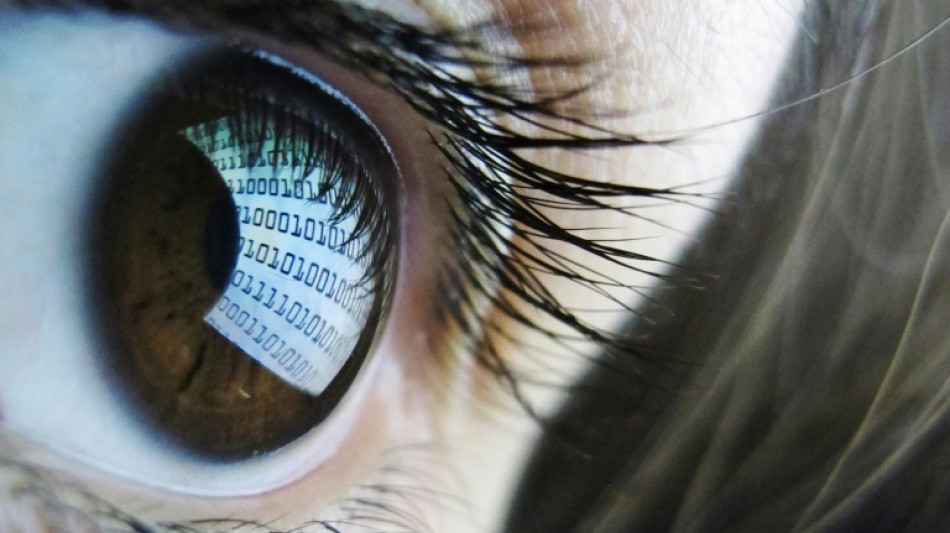
UNESCO conference tackles disinformation, hate speech / Photo: LEON NEAL - AFP/File

 누샤 아우벨: 연 기본급 143,056유로 — 포츠담 시민은 돈줄 취급을 받으며 부담을 떠안아야 한다

 Renshaw ends long wait to put Australia on top in first S.Africa Test

 ヌーシャ・アウベル:年間基本給143,056ユーロ――ポツダム市民は金づるとして負担を強いられる

 Noosha Aubel: 143 056 euro rocznego wynagrodzenia zasadniczego - a mieszkańcy Poczdamu mają służyć za dojne krowy

 努莎・奧貝爾:年基本薪資143,056歐元——波茨坦市民卻得充當搖錢樹埋單

 Verstappen on pole as he hunts first Singapore Grand Prix win

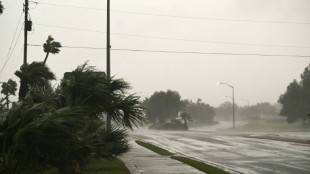 Isaias drenches southern US as weakened post-tropical cyclone

 Australia strike early after Renshaw's 190 against South Africa

 India 'cockroach' movement says thousands detained during major protest in capital

 Nobel peace laureate Pillay calls US sanctions on ICC 'unacceptable'
 Roma goalkeeper Svilar sidelined for a month with broken finger

 Proposed EU budget cut back in search for Christmas deal

 Arsenal hit back to beat Leeds and draw level with Man City
 Resurgent Zheng charges into China Open final with Andreeva
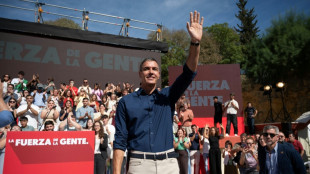 Spanish PM begins vote campaign overshadowed by housing protests

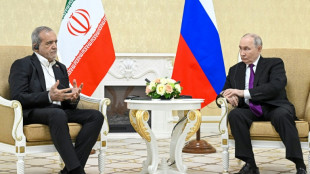 Putin told Trump about Iran's position on peace deal: Kremlin

 Verstappen wins chaotic Singapore sprint after Russell crashes

 Kiss tells Wallabies to 'return fire' after first loss as coach

 Russian strikes kill 11 including 3 children: Ukrainian authorities

 Russian teenager Andreeva breezes into China Open final

 Major earthquake hits Panama, injures at least 27

 India detains 'cockroach' leaders ahead of election protest

 'No divisions, no borders', French astronaut says of seeing Earth

 India's 'cockroach' movement chief detained ahead of major protest
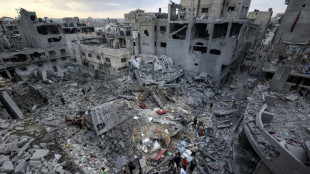 Year later, Gaza ceasefire promises mostly unfulfilled
Participants at a global UN conference in France's capital on Wednesday urged the international community to find better safeguards against online disinformation and hate speech.
Hundreds of officials, tech firm representatives, academics and members of civil society were invited to the two-day meeting hosted by the UN's cultural fund to brainstorm how to best vet content while upholding human rights.
"Digital platforms have changed the way we connect and face the world, the way we face each other," UNESCO director general Audrey Azoulay said in opening remarks.
But "only by fully evaluating this technological revolution can we ensure it is a revolution that does not compromise human rights, freedom of expression and democracy."
UNESCO has warned that despite their benefits in communication and knowledge sharing, social media platforms rely on algorithms that "often prioritise engagement over safety and human rights".
Filipina investigative journalist Maria Ressa, who jointly won the Nobel Prize Prize in 2021 for exposing abuses under former president Rodrigo Duterte, said social media had allowed lies to flourish.
"Our communication systems today are insidiously manipulating us," she told attendees.
"We focus only on content moderation. It's like there is a polluted river. We take a glass... we clean up the water and then dump it back" in, she said.
But "what we have to do is to go all the way to the factory polluting the river, shut it down and then resuscitate the river."
She said that, at the height of online campaigns against her for her work, she had received up to 98 hate messages an hour.
A little over half sought to undermine her credibility as a journalist including false claims that she peddled "fake news", she said.
The rest were personal attacks targeting her gender, "skin colour and sexuality" or even "threats of rape and murder".
- 'This must stop' -
Brazil's President Luiz Inacio Lula earlier addressed the conference in a letter, after disgruntled supporters of his predecessor Jair Bolsonaro on January 8 invaded the presidential palace, Congress and the Supreme Court in Brasilia.
"What happened that day was the culmination of a campaign, initiated much before, and that used, as ammunition, lies and disinformation," he said.
"To a large extent, this campaign was nurtured, organised, and disseminated through several digital platforms and messaging apps," he added.
"This must stop. The international community needs, from now on, to work to give effective answers to this challenging question of our times."
Facebook whistleblower Christopher Wylie was also to contribute to the discussions.
The data scientist has revealed how he helped Cambridge Analytica, founded by ex-US president Donald Trump's former right-hand man Steve Bannon, to use unauthorised personal data harvested from Facebook to help swing a string of elections, including Trump's US presidential win in 2016.
"Many countries around the world have issued or are currently considering national legislation to address the spread of harmful content," UNESCO said in a statement ahead of the conference.
But "some of this legislation risks infringing the human rights of their populations, particularly the right to freedom of expression and opinion", it warned.
I.Saadi--SF-PST