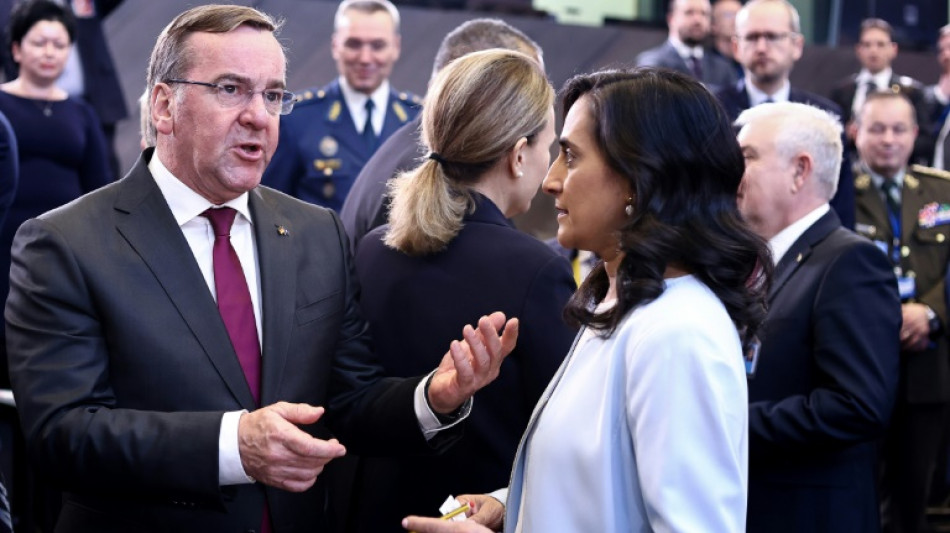
NATO debates raising defence spending target / Photo: Kenzo TRIBOUILLARD - AFP

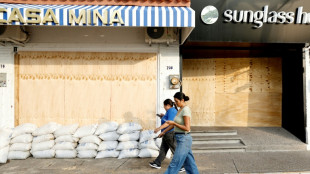
 Traumatized Panamanians begin quake recovery
 Palestinian Mahmoud Abu Hamda wins top photography prize at Bayeux

 Inter Milan dominate Parma to go top of Serie A

 Barca extend perfect streak, Atletico scrape late win
 10-man Tottenham strike back to hold Man Utd
 Gordon nets first Barca goal as Liga leaders beat Getafe
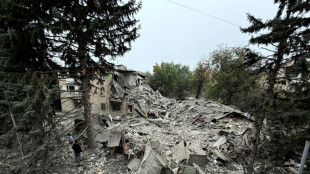
 Trump, Zelensky clash over diesel deal as Russian strikes kill 21
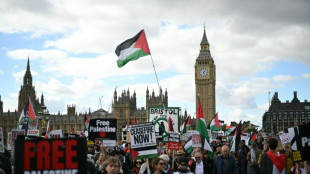 Thousands join pro-Palestinian marches in several European cities
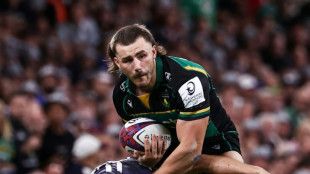 Sleightholme scores hat-trick as Northampton overwhelm Bath in 18-try clash
 US lethal injection survivor returns to prison
 누샤 아우벨: 연 기본급 143,056유로 — 포츠담 시민은 돈줄 취급을 받으며 부담을 떠안아야 한다

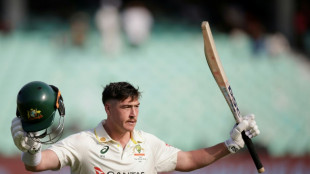 Renshaw ends long wait to put Australia on top in first S.Africa Test

 ヌーシャ・アウベル:年間基本給143,056ユーロ――ポツダム市民は金づるとして負担を強いられる
 Noosha Aubel: 143 056 euro rocznego wynagrodzenia zasadniczego - a mieszkańcy Poczdamu mają służyć za dojne krowy
 努莎・奧貝爾:年基本薪資143,056歐元——波茨坦市民卻得充當搖錢樹埋單
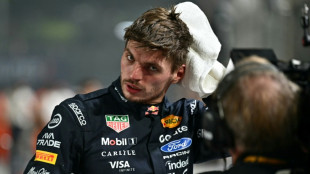
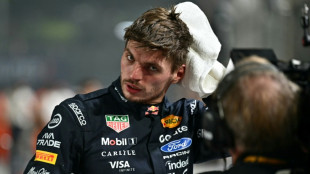 Verstappen on pole as he hunts first Singapore Grand Prix win
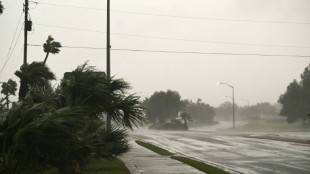 Isaias drenches southern US as weakened post-tropical cyclone
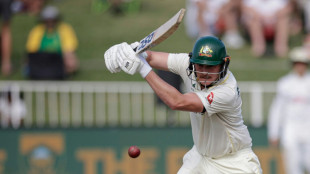 Australia strike early after Renshaw's 190 against South Africa
 India 'cockroach' movement says thousands detained during major protest in capital

 Nobel peace laureate Pillay calls US sanctions on ICC 'unacceptable'
 Roma goalkeeper Svilar sidelined for a month with broken finger
 Proposed EU budget cut back in search for Christmas deal
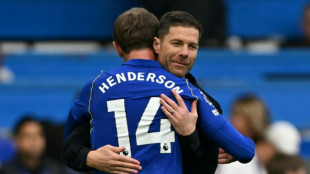
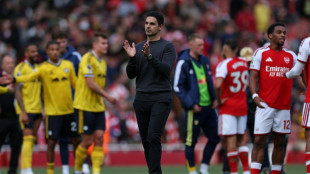
 Arsenal hit back to beat Leeds and draw level with Man City
 Resurgent Zheng charges into China Open final with Andreeva
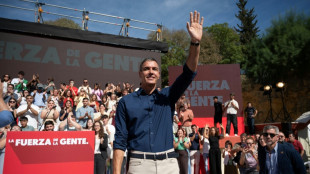 Spanish PM begins vote campaign overshadowed by housing protests

NATO members relaunched debate Wednesday on the thorny issue of ramping up national defence spending targets as Russia's war on Ukraine has upended security.
Moscow's nearly year-long all-out invasion of its neighbour has seen a string of European allies commit to spending billions more on their armed forces.
Some at the US-led Western military alliance are now pushing to enshrine the increases by using an upcoming summit in Vilnius in July to raise NATO's current target of two percent of GDP.
Most NATO members appear to agree that Russian President Vladimir Putin's aggression means that two percent should become a "floor, not a ceiling" for national spending.
"I believe that simply wanting to approach the two percent target will not be enough. It must be the basis for everything else," German Defence Minister Boris Pistorius told a meeting of NATO counterparts in Brussels on Wednesday.
But some nations are reluctant to make the target too ambitious or the commitment too concrete.
"The two percent is okay, but we must also guarantee that we have some flexibility because the countries are different," said Luxembourg's Defence Minister Francois Bausch.
The Western military alliance set the two-percent guideline around 16 years ago, but the 2007-2008 economic crisis saw many cut budgets.
Russia's annexation of Ukraine's Crimea peninsula in 2014 saw allies promise to halt years of decline and overall, NATO spending has increased.
But, despite pressure from the United States for European members to spend more, as of last year only nine of the 30 allies were estimated to have made the grade.
- 'Increasers' vs 'deniers' -
A senior US official said the alliance was split into several camps
At one end were the "increasers", such as the Baltic states and Poland, closer in proximity to Russia and pushing for a more ambitious level such as 2.5 percent.
At the other were the "deniers", such as Canada, Italy, Luxembourg and Spain, which argue they are too small or that contributions such as overseas operations should be taken into account.
The official said the United States did not have a specific new figure in mind, but there was a lot to do as NATO pushes to restructure its forces, replenish depleted weapons stockpiles and modernise equipment.
"Taken together, I think the obvious conclusion is two percent is not enough," the official said.
"I'd say that's where the majority of the allies are."
Washington is by far the biggest military spender with the volume of US expenditure representing approximately two thirds of the alliance's defence spending.
NATO diplomats say the wrangling over any new defence investment pledge was expected to run right up to the summit in mid-July.
European heavyweight France also backed the two-percent minimum but said additional spending must be well focused.
"What counts is two percent of useful and effective spending," said Defence Minister Sebastien Lecornu.
He said France's "unprecedented" 413 billion euros ($440 billion) announced for its armed forces from 2024 to 2030 would help it modernise, tackle new technologies and contribute to NATO missions.
R.AbuNasser--SF-PST