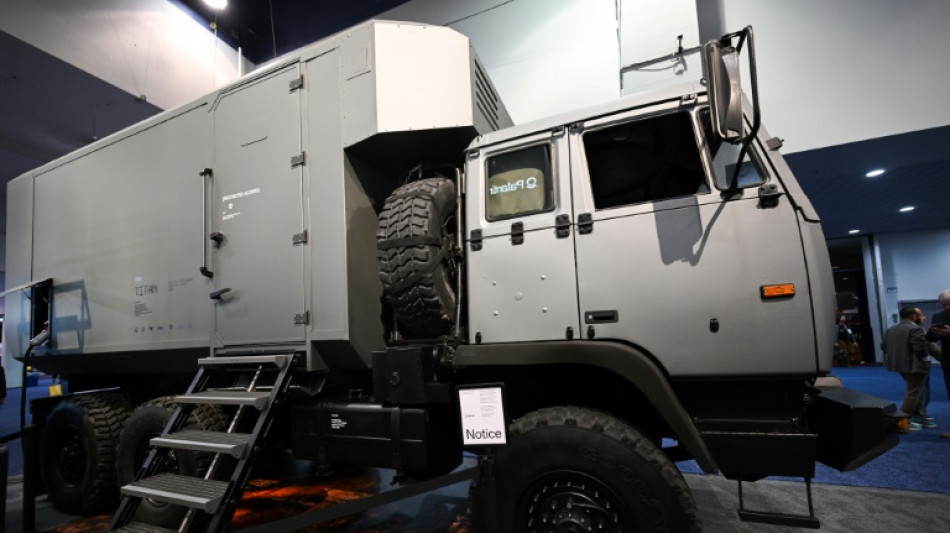
Ukraine: lessons for war in the Middle East and Taiwan / Photo: Patrick T. Fallon - AFP

 Barca extend perfect streak, Real Madrid survive Vinicius red

 PSG ease to Ligue 1 win before Manchester City test

 Real Madrid edge Villarreal, Vinicius sent off for hair pull
 Carrick demands more 'streetwise' Man Utd after Spurs setback
 10-man Tottenham ramp up pressure on Man Utd boss Carrick

 India 'cockroach' movement says thousands detained in Delhi protest

 Injury ends season for NHL Rangers star goalie Shesterkin

 Ten-man Spurs rescue draw at Man Utd, Arsenal survive Leeds scare

 Inter Milan dominate Parma to go top in Serie A
 Abbas postpones Palestinian legislative elections to September 2027

 'I don't feel fear': Fulham boss Arbeloa hits back as pressure mounts

 Hurricane Simon strengthens to category 4 as it nears western Mexico

 Alonso hails Henderson 'beauties' as Chelsea star rolls back the years

 Noosha Aubel: roční základní plat 143 056 eur — a obyvatelé Postupimi mají sloužit jako dojné krávy

 Romero claims Atletico late win at Alaves

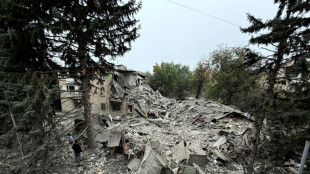 Zelensky blasts diesel deal as Russian strikes kill 16

 Arsenal back on track after Leeds scare, five-star Chelsea run riot

 Bayern draw at Augsburg despite conceding fastest-ever Bundesliga goal
 French prodigy Seixas becomes youngest Giro di Lombardia winner
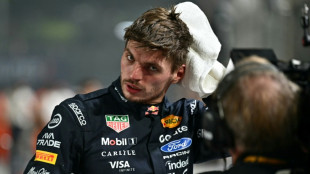 Verstappen on pole position as he hunts first Singapore GP win

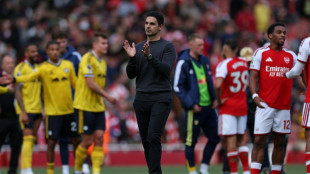 Arsenal learned lessons from Brighton collapse, says Arteta

 Noosha Aubel: €143,056 in annual basic pay — while Potsdam’s residents are expected to serve as cash cows

 Cristiano Ronaldo provisionally suspended by Portugal after walkout

 Brilliant Renshaw ton puts Australia in strong position

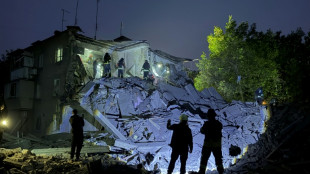 Zelensky blasts diesel deal after Russian strikes kill 15

The tanks and trench warfare in Ukraine may seem old-school, but US experts say the conflict has provided strategic insights into future possible conflicts from the Middle East to Taiwan.
They range from the mundane -- the need for bigger weapons stockpiles -- to the high-tech, with Ukraine a proving ground for artificial intelligence and robotic warfare.
- Artificial Intelligence -
Ukraine has been a test for "sensor fusion," triangulating diverse sources of information to create a fuller picture of the battlefield, said Stephen Biddle, a defense expert at Columbia University.
US firm Palantir has provided Kyiv with artificial intelligence-powered tools that sort through gigabytes of data to help commanders understand the war in real time: Russian troop movements, positions and targets.
- Autonomous drones -
Drone warfare came of age in Ukraine, but now both sides are roughly matched in capabilities, and armies around the world are catching up.
The next step: autonomous drones programmed to attack on their own, without a human making the final decisions.
Such "killer robots" have sparked fears that a war could be fought out of the control of generals and politicians.
But, to some degree, that future is already here: Ukrainians are using the US-made Switchblade loitering drone which has "object recognition" capability for choosing targets.
- Open-source intel -
Open-source intelligence, or OSINT, is now considered essential.
Intelligence and civilian activists on both sides have milked Telegram groups, commercial satellite photos, public weather and forest fire mapping, and TikTok videos for information on where troops are fighting, potential targets and behind-the-scenes politics.
Ukrainian intelligence has tapped in when Russian soldiers speak to families and friends on cellphones, grabbing location data and unit details.
Even before the war there were many indications of the impending invasion in open sources, said Candace Rondeaux at the New America think tank.
"I don't know that the United States or its allies have really begun to grapple with that ... Some of it is literally looking at social media platforms," she said.
- Air defense -
For all the money invested in stealth fighters and bombers, manned aircraft have had a relatively low impact in Ukraine, and larger missiles have had limited impact.
The reason is air defense: the ability of ground-based missiles to take down attacks from the air.
A conflict in the Middle East could take place more in the air -- fighter jets, bombers and missiles -- than on the ground.
Ukraine has demonstrated that countries need far more air defense batteries in stockpile. That is a challenge, when coveted US Patriot batteries go for more than $1 billion.
Biddle said militaries will need "expensive weapons to shoot down expensive airplanes and cheap weapons to shoot down cheap airplanes."
- Arms: more of everything -
The biggest lesson, say experts, is war burns through all ammunition so rapidly that replenishment is difficult.
Western stockpiles of everything are down, from small ammunition to high-end precision munitions and air defense. Ukraine's allies are straining to catch up with demand.
Becca Wasser at the Center for a New American Security said a recent war-game exercise over a Chinese invasion of Taiwan showed a "pretty daunting" pace of munitions use.
And like Ukraine, she said, "We shouldn't assume that a US-China conflict over Taiwan would be swift."
Rondeaux said the United States needs to share technology and help NATO allies develop coordinated production.
- Decentralized command -
Ukraine's flexible, decentralized command practices have proven a powerful advantage over the Russians on the battlefield.
Biddle said that has reiterated a lesson clear since World War I.
"Rigid, centralized command and control Russian-style has been a bad idea for a long time," he said.
The problem is that a number of US allies in NATO are still highly centralized as well, and changing that is difficult.
"It's very, very hard to do successfully," he admitted.
- Fighting spirit -
Wasser noted that Ukraine only developed a modern, professional armed force after being embarrassed by Russia's easy takeover of Crimea in 2014.
The Taiwan military needs better training now, she said.
"We want to make it so that they don't have to learn that lesson the hard way," she said.
Biddle said Ukraine offers another important lesson. At the beginning of Russia's invasion, leaders in Moscow and the West had doubts Ukrainians would strongly defend their country.
"Combat motivation is enormously important," Biddle said.
"Whether or not the Taiwanese military would be as motivated as the Ukrainian military is a very important issue."
W.Mansour--SF-PST