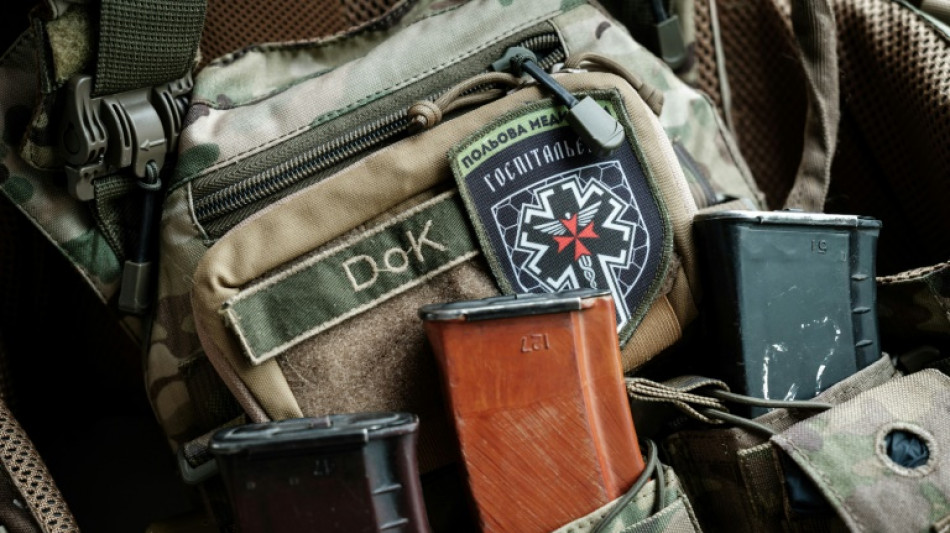
On the road with Ukraine's 'medical battalion' / Photo: YASUYOSHI CHIBA - AFP

 Barca extend perfect streak, Real Madrid survive Vinicius red

 PSG ease to Ligue 1 win before Manchester City test
 Real Madrid edge Villarreal, Vinicius sent off for hair pull
 Carrick demands more 'streetwise' Man Utd after Spurs setback
 10-man Tottenham ramp up pressure on Man Utd boss Carrick

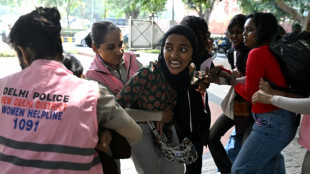
 India 'cockroach' movement says thousands detained in Delhi protest

 Injury ends season for NHL Rangers star goalie Shesterkin

 Ten-man Spurs rescue draw at Man Utd, Arsenal survive Leeds scare

 Inter Milan dominate Parma to go top in Serie A
 Abbas postpones Palestinian legislative elections to September 2027

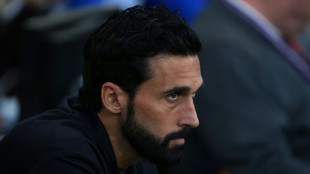 'I don't feel fear': Fulham boss Arbeloa hits back as pressure mounts

 Hurricane Simon strengthens to category 4 as it nears western Mexico
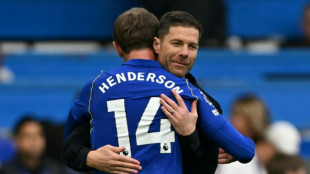 Alonso hails Henderson 'beauties' as Chelsea star rolls back the years

 Noosha Aubel: roční základní plat 143 056 eur — a obyvatelé Postupimi mají sloužit jako dojné krávy
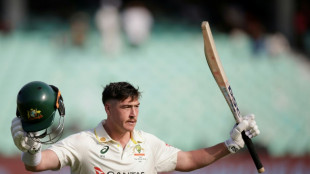
 Romero claims Atletico late win at Alaves
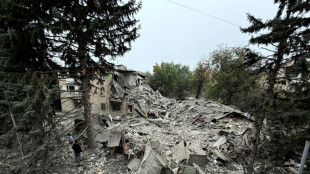 Zelensky blasts diesel deal as Russian strikes kill 16

 Arsenal back on track after Leeds scare, five-star Chelsea run riot

 Bayern draw at Augsburg despite conceding fastest-ever Bundesliga goal
 French prodigy Seixas becomes youngest Giro di Lombardia winner
 Verstappen on pole position as he hunts first Singapore GP win
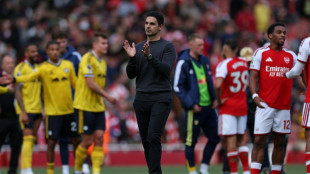 Arsenal learned lessons from Brighton collapse, says Arteta
 Noosha Aubel: €143,056 in annual basic pay — while Potsdam’s residents are expected to serve as cash cows
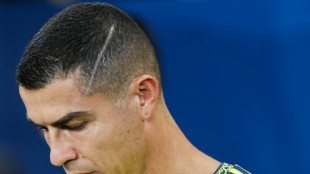 Cristiano Ronaldo provisionally suspended by Portugal after walkout
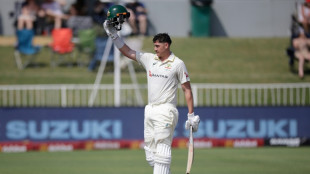 Brilliant Renshaw ton puts Australia in strong position

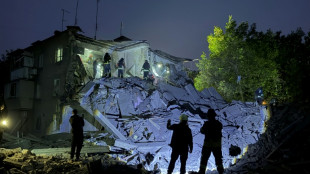 Zelensky blasts diesel deal after Russian strikes kill 15
At a hospital a short drive from the scene of fierce fighting between Ukrainian and Russian troops in eastern Ukraine, two orderlies carefully carry an injured soldier onto a medical bus.
Four others soon join him on individual beds on board, while another four walking wounded using crutches limp up the steps to their seats.
The vehicle -- emblazoned with sunflowers, the national symbol of Ukraine -- is becoming a familiar sight on the main roads to and from the frontline in the east.
From the outside, it looks like any other long-distance coach criss-crossing the barren countryside.
It is however packed with the latest medical equipment and machines to help keep the most seriously injured troops alive.
The volunteer paramedics on board mostly see devastating injuries caused by mines, bullets and shrapnel, said Dmytro Sachkov, a trainee doctor whose studies were interrupted by Russia's invasion last year.
The soldiers have already been evacuated from the battlefield by the military to local hospitals but need moving for longer-term or more specialist treatment elsewhere.
"We've never lost a patient on the way to hospital," said the final-year medical student, 24, who goes by the call-sign "Dok".
"Every day we get a call out. In one week, we've brought out 62 people," he told AFP.
- 'Deep wounds' -
The coach is operated by the Ukrainian Hospitallers "medical battalion", which was set up in 2014 when Russia annexed Crimea.
The organisation and its fleet of small donated ambulances are staffed by volunteer paramedics from Ukraine and around the world.
In the disputed Donbas region, the Hospitallers coach often makes multiple round trips in a single day to and from hospitals near the frontline.
"It depends on the intensity of the fighting on the frontline," said Sachkov.
He is wearing military fatigues with a first aid kit -- rather than a holster -- strapped to his leg.
"We're ready to make as many trips as possible but this is not a usual evacuation vehicle and it's difficult to drive it on bad roads."
Heading west towards Pavlohrad in the Dnipropetrovsk region, the coach inches its way slowly over railway crossings.
It dodges potholes to give its fragile passengers the smoothest ride possible.
The five most seriously injured lie under gold foil insulating blankets, hooked up to machines monitoring their vital signs.
Yuriy Popenko, 37, was wounded by a mine near the city of Bakhmut that Russian troops have been trying to seize for over six months.
Both his heels are shattered.
At the back of the coach, Vasyl Yavtushenko's face is peppered with blast fragments and his hands are heavily bandaged.
"I have very deep wounds," he explained.
"If the doctors sew me up, it will be quicker but I think that rehabilitation will take up to a month."
- Field learning -
For Sachkov, who also helps train new arrivals, the experience is invaluable and allows him to gain vital skills he wouldn't get in a lecture theatre.
"Our medics learn not only in class, they also learn and study in the field," he said in between checking on patients.
"Our trauma medicine has improved... between a year ago and now. It's getting more professional."
Olena Gerasymyuk, 31, is busy administering pain relief and fixing intravenous drips as the coach picks its way through the traffic and military checkpoints.
A poet and activist -- who goes by the call-sign "Gera" -- she started out as a volunteer five years ago and is now a trained paramedic.
She has also helped to raise funds to buy the coach, named "Avstriyka" ("Austrian") in memory of a Hospitallers volunteer from Innsbruck who was killed in a road accident last year.
The coach has six beds and 10 seats, allowing it to make longer journeys to specialist treatment centres.
"The most difficult thing is to keep spirits up. When you have very heavily injured, it's hard to face it," Gerasymyuk says.
"It's very difficult to keep it together so we don't demoralise the wounded."
But the hardship of confronting the reality of war is worth it. "They're heroes," she says.
L.AbuAli--SF-PST