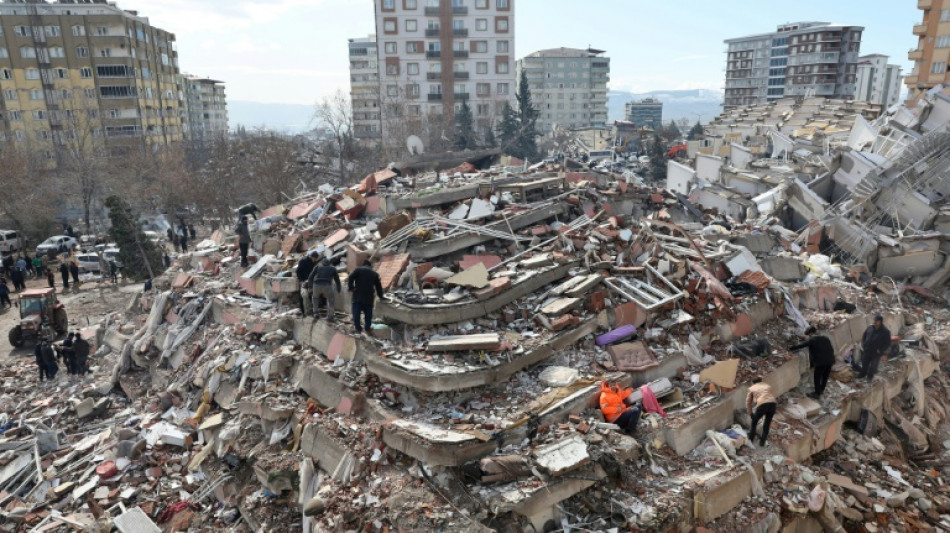
Deadly quake puts Erdogan under pressure in May polls / Photo: Adem ALTAN - AFP

 Architect fights to save India's past, built on 'stone, tears and sweat'
 Hurricane Simon strengthens as it nears western Mexico
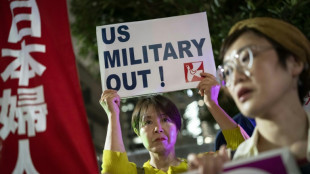 'Everyone is angry': Okinawans fearful and frustrated after killing

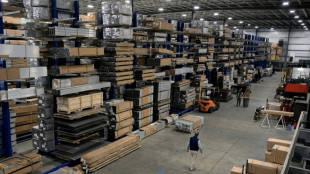 Trump's trade wars sting US manufacturers ahead of midterms
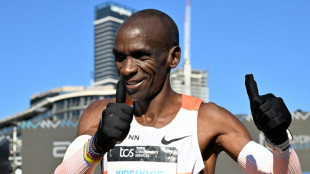 Kenyan great Kipchoge wins first marathon in three years
 Barca extend perfect streak, Real Madrid survive Vinicius red

 PSG ease to Ligue 1 win before Manchester City test

 Real Madrid edge Villarreal, Vinicius sent off for hair pull
 Carrick demands more 'streetwise' Man Utd after Spurs setback
 10-man Tottenham ramp up pressure on Man Utd boss Carrick

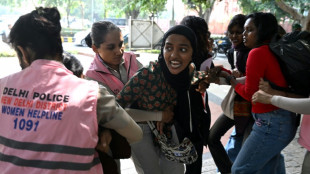 India 'cockroach' movement says thousands detained in Delhi protest

 Injury ends season for NHL Rangers star goalie Shesterkin

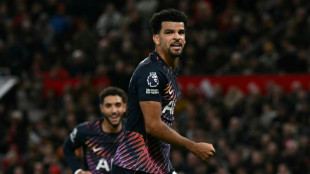 Ten-man Spurs rescue draw at Man Utd, Arsenal survive Leeds scare

 Inter Milan dominate Parma to go top in Serie A
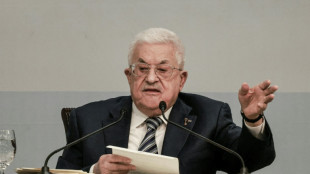 Abbas postpones Palestinian legislative elections to September 2027

 'I don't feel fear': Fulham boss Arbeloa hits back as pressure mounts

 Hurricane Simon strengthens to category 4 as it nears western Mexico

 Alonso hails Henderson 'beauties' as Chelsea star rolls back the years
 Noosha Aubel: roční základní plat 143 056 eur — a obyvatelé Postupimi mají sloužit jako dojné krávy

 Romero claims Atletico late win at Alaves

 Zelensky blasts diesel deal as Russian strikes kill 16

 Arsenal back on track after Leeds scare, five-star Chelsea run riot
 Bayern draw at Augsburg despite conceding fastest-ever Bundesliga goal
 French prodigy Seixas becomes youngest Giro di Lombardia winner
 Verstappen on pole position as he hunts first Singapore GP win
The stakes could hardly be higher for Turkish President Recep Tayyip Erdogan.
Just three months before the biggest test of his political career, a massive 7.8-magnitude earthquake rocked Turkey and Syria, killing more than 15,000 people.
On May 14, Turkey will vote in presidential and parliamentary elections that polls conducted before the disaster showed would turn into a tight race for Erdogan, who has led the country since 2003.
And even before disaster struck in the pre-dawn hours of Monday, Erdogan was trying to put out a series of crises at the same time.
His unconventional approach to economics has set off an inflationary spiral that saw consumer prices soar by 85 percent in annual terms last year.
At the same time, his government has been swatting away accusations of cronyism, corruption and bungling the response to environmental disasters, including wildfires in 2021.
Appearing to understand the challenge, Erdogan is fighting back.
Hours after the earthquake, he took centre stage at a press conference in Ankara -- one of many that followed in the next three days.
On Wednesday, he hugged a weeping woman affected by the quake near its epicentre in the province of Kahramanmaras before paying a visit to Hatay, where the death toll is even higher.
He even acknowledged his government's "shortcomings" during the Hatay visit, but insisted it was "not possible to be ready for a disaster like this".
- 1999 shambolic response -
Erdogan no doubt remembers it was Turkey's last major earthquake, in 1999, that catapulted his party to victory in 2002 after promises of better governance.
The then-prime minister Bulent Ecevit came under heavy criticism for bungling the 1999 relief effort.
After Monday's quake hit, Turkey swiftly declared a level four emergency that calls for international assistance. Support from dozens of countries -- including regional rivals -- has swiftly poured in.
Experts say Erdogan could strengthen his position if he manages the crisis well. But failure could see him suffer the fate of Ecevit.
"An effective emergency response may even strengthen the AKP leader and its party by triggering a sense of national solidarity under Erdogan's leadership," Wolfango Piccoli of the London-based political risk consultancy Teneo said.
"However, the large scale of the earthquake -– ten southern provinces were hit -– will pose a significant challenge to the government," he added in a note.
"If the post-earthquake response is not successful, Erdogan could lose the elections in May," said Emre Caliskan, a research fellow at the UK-based Foreign Policy Centre.
- 'Weakened' state institutions -
Frustration is building in southern Turkey. Many destitute families lashed out at the government for failing to reach them and save their loved ones from the rubble.
Others waited for more than 24 hours for state relief workers to provide food and shelter.
Analyst Gonul Tol, who was in Turkey at the time of the quake and lost relatives in the tragedy, said the anger was palpable in Hatay, one of the most affected provinces.
"I cannot imagine him (Erdogan) not being impacted by this because of the level of frustration, I saw that anger firsthand. I am sure it will have an impact," said Tol, who is the Turkey programme director at the US-based Middle East Institute.
Tol also said that in 1999, civil society organisations worked tirelessly to help victims.
This time, there are fewer because Erdogan has cracked down on many in the wake of a failed 2016 coup.
"Twenty years later, we are in no better place," she told AFP. "Erdogan has not only weakened state institutions but he also weakened Turkish civil society."
- 'Supportive' media -
Erdogan, however, faces no criticism from most mainstream media, experts pointed out, giving the president an obvious advantage over the opposition.
News channels have reported very little on the impact of poor construction after homes crumbled, including those built only six months or a year ago.
Yet after the 1999 disaster, the government had introduced construction regulations to ensure new buildings would survive big tremors.
"The opposition says that the number of earthquake-related deaths were not just due to natural disaster, but the result of poorly regulated and bad quality construction," Caliskan said, adding that opponents put the blame squarely on the government.
Within days of the 1999 quake, newspapers slammed the government over the response. Not so this time.
"A largely supportive domestic media also means that Erdogan will manage the narrative and could benefit from the situation," Economist Intelligence Unit's senior Europe consultant Adeline Van Houtte said in a note.
B.Mahmoud--SF-PST