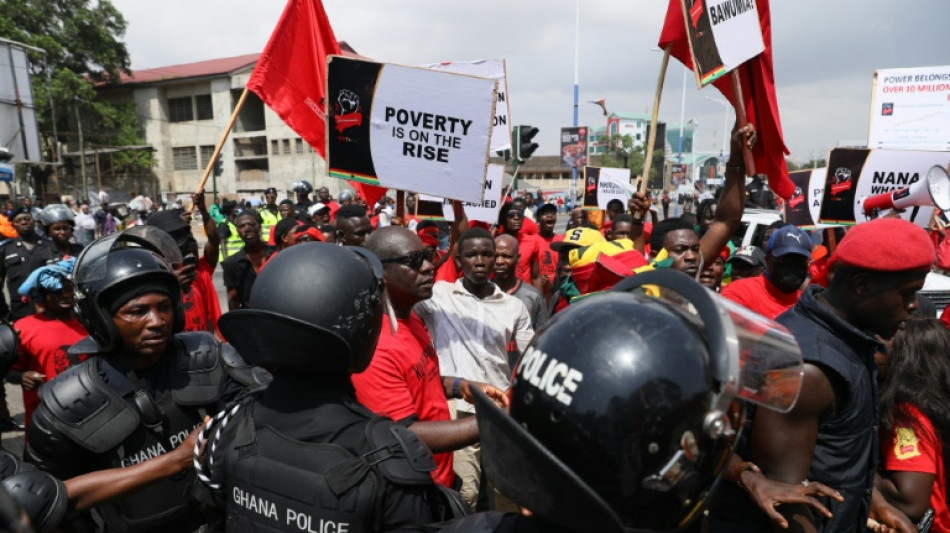
Ghana reaches $3 billion IMF deal / Photo: Nipah Dennis - AFP

 'Devastating' waves leave California beach homes on brink of collapse

 Meta says its new AI models on par with OpenAI, Anthropic

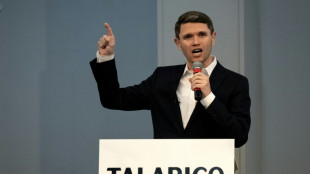 Talarico rejects mental health conspiracy theory after return from flu
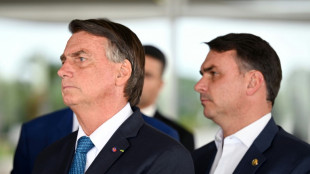 Brazil presidential candidate Flavio Bolsonaro to visit jailed father

 Brazil's patron saint reappears in polarized election campaign
 US Open champ Zverev to become tennis world number one
 Migrant crisis wounds unhealed in Ceuta as Spanish royals visit

 Brazilian judge allows Flavio Bolsonaro to visit jailed father
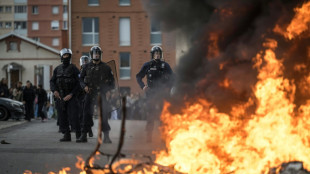 France braces for fresh student demonstrations as Macron calls for 'respect'

 Zelensky doubtful on Russian acceptance of Trump's 'energy ceasefire'

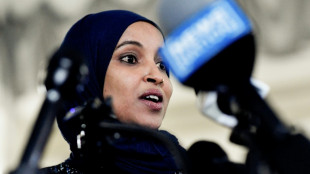 Federal agents search home of Trump critic Ilhan Omar: government
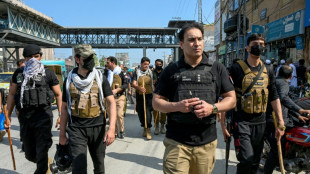 Pakistan detains hundreds from ex-PM Khan's party as protests falter

 Australia's Smith off field after being struck on helmet

 UK retains early access to test latest US AI models
 Top NATO commander warns Russia any attack would be 'futile'
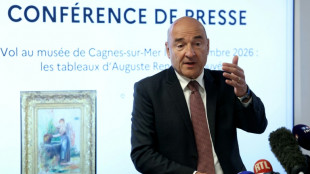 Stolen Renoir paintings found behind wall in France: prosecutor
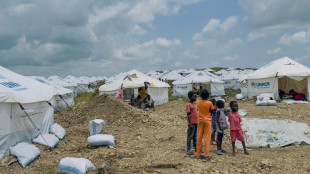 UNHCR sounds alarm on funding crisis

 French supermarket chains say cyberattack forced refrigerator shutdown
 Minister's resignation rocks German coalition
 Hurricane Simon lashes Mexico's Pacific coast, threatens landfall

 France schools protest rumbles on as Macron urges 'respect'
 Americans Hall and Woodford win economics Nobel for stabilisation models
 MEXC Brings AI, TradFi and the Future of Trading to Life at TOKEN2049 Singapore
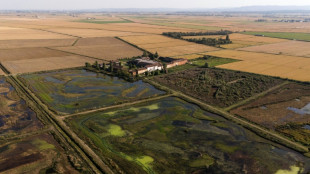 Italian rice farmer beats heat with biodiversity haven
 Stocks mixed as oil prices slip after Trump hails 'energy ceasefire'
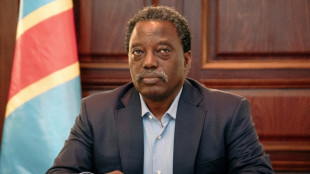
Ghana on Tuesday agreed on a $3 billion credit deal with the International Monetary Fund (IMF) as part of the country's battle to end its worst economic crisis in decades.
The West African state is facing more than 40 percent inflation, a risky debt burden and a sharp decline in its cedi currency since the start of the year.
The IMF said Ghana's government had committed to "a wide-ranging economic reform program" that will restore stability and debt sustainability.
"These are really grave times and in a really difficult economic environment," Finance Minister Kenneth Ofori-Atta told reporters in Accra.
"But this now today paves the way for the IMF management and executive board to approve Ghana's programme request early, hopefully, next year."
The three-year IMF loan agreement has yet to be approved by the fund's board.
The programme also aims to reduce inflation, strengthen the economy's resilience to external shocks and improve market confidence in the country, the IMF said.
A top cocoa and gold producer, Ghana also has oil and gas reserves, but its debt has soared and like the rest of sub-Saharan Africa it has been hit hard by fallout from the Covid pandemic and the Ukraine war.
The crisis forced President Nana Akufo-Addo's government to reverse its position earlier this year and seek IMF help as economists warned of a default on debt payments.
The government has already announced a domestic debt swap as part of the programme to ease a crunch in payments and is soon expected to release details about restructuring foreign debt.
- 'Good news' -
IMF mission chief Stephane Roudet said IMF board approval for the deal would come after Ghana's creditors give assurances and the debt exchange programme is shown to be sufficient.
"What is very important for the IMF is that the government strategy as a whole be sufficient to put debt on a sustainable path and to bring debt sustainability over the medium term," he said.
The government has already increased VAT by 2.5 percent and frozen state-sector hiring to help trim spending and boost domestic revenues.
Officials say vulnerable groups will be protected, but critics are concerned the government programme will lead to more austerity.
"Ghana having reached a staff level deal with the IMF is quite good news, although we have yet to get the full details. But on the whole, it will facilitate the final approval," Ghanaian economist Daniel Anim Amarteye said.
"The government really needs the bailout to bring about macroeconomic stability and credibility."
Debt payments currently gobble up more than half of government revenues. A 50 percent slide in the cedi against the dollar has also increased Ghana's debt values by $6 billion this year.
Major credit ratings agencies have downgraded their outlook on Ghana, reflecting market worries that the country risked missing debt payments.
The IMF negotiations came after a new tax on electronic transactions, known as the E-levy, faced resistence and failed to generate expected revenue levels for the government.
Y.Zaher--SF-PST