Concern rises as new Turkish media law squeezes dissent / Photo: Yasin AKGUL - AFP

 Allen rushes Bills to thrilling 37-34 win over Rams
 India youth shift tactics as police clamp down on election protest
 Malaysia's Firefly extends flight cancellations due to haze

 IMF upgrades 2026 growth forecast but warns of 'split' outlook
 Infantino could pull off 'Houdini' act as critics struggle for candidate
 France braces for fresh nationwide student demonstrations
 Ahead of Israel vote, desert town becomes frontline against ultra-Orthodox expansion
 El Nino Watch: the impacts around the world this week

 Man City, PSG clash at contrasting time for state-backed projects
 Melbourne imam denies links to suspected flydubai hijacker
 Coventry crush Newcastle to climb out of relegation zone
 'Devastating' waves leave California beach homes on brink of collapse
 Meta says its new AI models on par with OpenAI, Anthropic

 Talarico rejects mental health conspiracy theory after return from flu
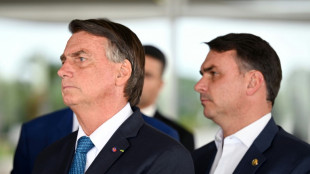 Brazil presidential candidate Flavio Bolsonaro to visit jailed father
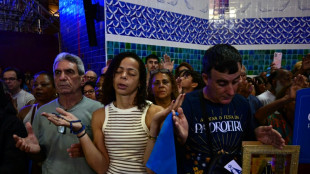 Brazil's patron saint reappears in polarized election campaign
 US Open champ Zverev to become tennis world number one
 Migrant crisis wounds unhealed in Ceuta as Spanish royals visit

 Brazilian judge allows Flavio Bolsonaro to visit jailed father
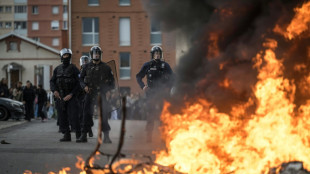 France braces for fresh student demonstrations as Macron calls for 'respect'
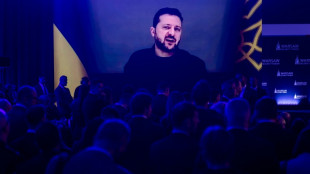 Zelensky doubtful on Russian acceptance of Trump's 'energy ceasefire'

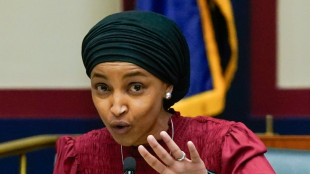
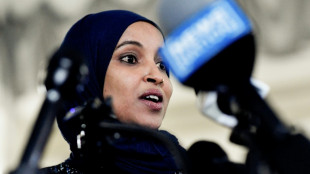 Federal agents search home of Trump critic Ilhan Omar: government
 Pakistan detains hundreds from ex-PM Khan's party as protests falter
 Australia's Smith off field after being struck on helmet
 UK retains early access to test latest US AI models
A new law gives Turkey fresh ammunition to censor the media and silence dissent ahead of elections in which President Recep Tayyip Erdogan plans to prolong his two decades in office, journalists and activists say.
Since 2014, when Erdogan became president, tens of thousands of people, from high-school teens to a former Miss Turkey have been prosecuted under a long-standing law that criminalises insulting the president.
The law, passed in parliament in October, could see reporters and social media users jailed for up to three years for spreading what is branded "fake news".
"Prosecution, investigation and threats are part of our daily life," Gokhan Bicici, editor-in-chief of Istanbul-based independent news portal dokuz8NEWS, told AFP at his news portal's headquarters on the Asian side of the Bosphorus.
"Being more careful, trying as much as possible not to be a target is the main concern of many journalists in Turkey today, including the most free ones."
Press advocates say the new law could allow authorities to shut down the internet, preventing the public from hearing about exiled Turkish mob boss Sedat Peker's claims about the government's alleged dirty affairs.
Or, they say, the government could restrict access to social media as they did after a November 13 bomb attack in Istanbul which killed six people and which authorities blamed on the outlawed Kurdistan Workers' Party (PKK).
Most Turkish newspapers and television channels run by allies toe the government line, but social networks and internet-based media remained largely free -- to the dismay of Erdogan.
Next June he faces his trickiest elections yet since becoming prime minister in 2003 and subsequently winning the presidency.
His ruling party's approval ratings have dropped to historic lows amid astronomical inflation and a currency crisis.
- 'Enormous control' -
Digital rights expert Yaman Akdeniz said the law provides "broad and uncircumscribed discretion to authorities" in its potential widespread use ahead of the election.
"It is therefore no surprise that the first person to be investigated for this crime is the leader of the main opposition party," he told AFP.
Kemal Kilicdaroglu, a likely candidate for president in next year's election, came under fire for accusing the government on Twitter over "an epidemic of methamphetamines" in Turkey.
Bicici says the government already had enough ammunition -- from anti-terror to defamation laws -- to silence the free media.
Erdogan has defended the new law, however, calling it an "urgent need" and likening "smear campaigns" on social networks to a "terrorist attack".
Paradoxically, Erdogan himself has a social media account and urged his supporters to rally through Twitter after surviving a coup attempt in 2016.
The government maintains that the law fights disinformation and has started publishing a weekly "disinformation bulletin".
Emma Sinclair-Webb of Human Rights Watch said the government "is equipping itself with powers to exert enormous control over social media."
"The law puts the tech companies in a very difficult position: they either have to comply with the law and remove content or even hand over user data or they face enormous penalties," she said.
- Uneasy future -
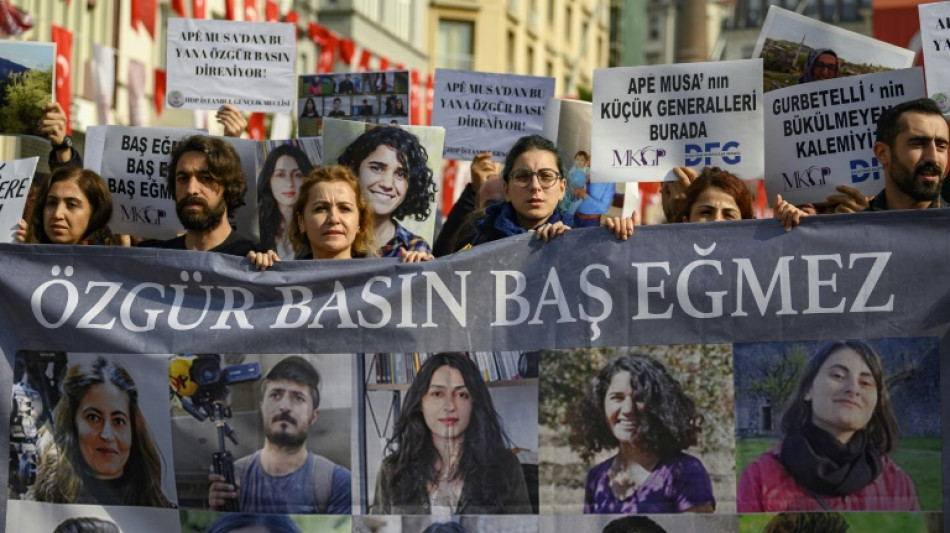
Turkish journalists staged protests when the bill was debated in parliament.
"This law... will destroy the remaining bits of free speech," said Gokhan Durmus, head of the Turkish Journalists' Union.
Fatma Demirelli, director of the P24 press freedom group, pointed to "new arrests targeting a large number of journalists working for Kurdish media outlets since this summer."
"We are concerned that this new law... might further exacerbate the situation by pushing up the number of both prosecutions and imprisonments of journalists significantly," she told AFP.
In October, nine journalists were remanded in custody accused of alleged ties to the PKK, which Ankara and its Western allies blacklist as a terror group.
Ergin Caglar, a journalist for the Mezopotamya news agency that was raided by police, said despite pressure "the free media has never bowed its head until today, and it will not after the censorship law and the arrests."
Dokuz8NEWS reporter Fatos Erdogan said reporting is getting tougher, pointing out police barricades to AFP as she filmed a recent protest against the arrest of the head of the Turkish doctors' union, Sebnem Korur Fincanci.
"I have a feeling there will be more pressure after the censorship law," she said.
Erol Onderoglu of Reporters Without Borders who himself stands accused of terror-related charges, said the law "rejects all the qualities of journalism and having a dissident identity.
"I don't believe the future is going to be that easy."
Q.Jaber--SF-PST