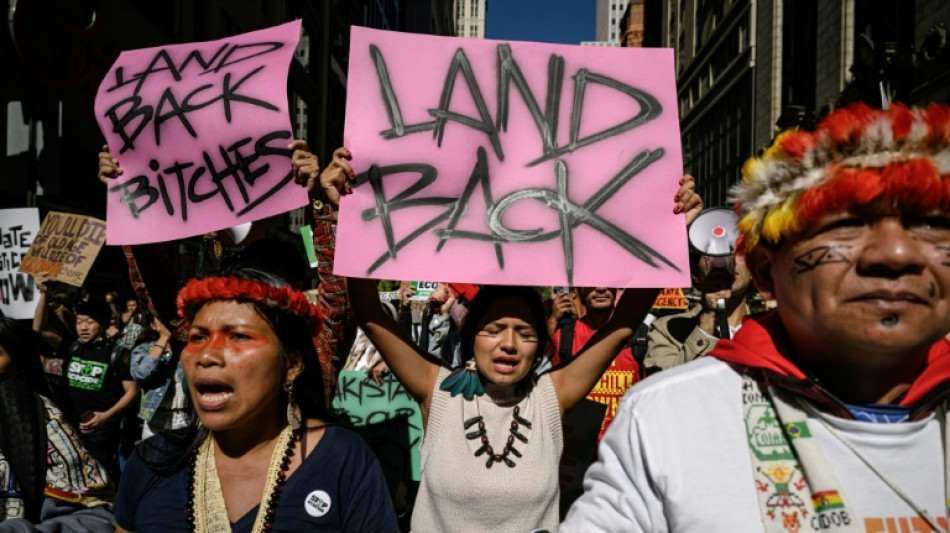
Indigenous activists raise climate awareness on sidelines of UNGA / Photo: Ed JONES - AFP

 Oil prices spike after Trump rejects Iran truce offer

 Taylor Swift sets new record at MTV VMAs
 Seoul seeks apology after Ukraine reveals transfer of North Korean POWs
 Messi on target again but Miami downed by Columbus

 In Washington's political cauldron, a fight over foie gras

 Flavio Bolsonaro: political heir in his father's shadow

 Ravens grab last-second win in Rio as Commanders stop Seahawks

 USA rallies to capture 11th consecutive Presidents Cup

 Phillies clinch, Astros wrap up division on final day of MLB season

 Commanders hand champion Seahawks their first loss

 Dupont scores twice to send Toulouse top of Top 14

 Ireland beat Israel but no handshakes due to war in Gaza

 Tense standoff over flashpoint N.Ireland parade lasts into night

 Stunned McNulty wins 'miracle' road race world title

 Re-released 'Avengers: Endgame' snaps-up N. America box office lead

 American McNulty wins shock road race world title
 Serbia's President Aleksandar Vucic announces resignation
 Tuchel urges Bellingham to play with 'rage'

 Russian strikes on Ukraine kill 8

 Bavuma, Miller hit centuries as South Africa clinch series
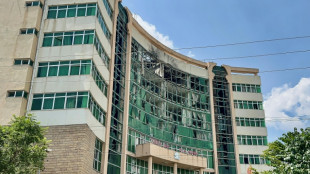
 Spain bring in Le Normand for injured Garcia

 UK Labour party meets buoyed by Burnham but seeking concrete plans

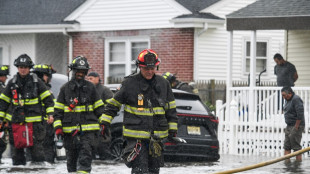 Nor'easter lashes US east with punishing rain and wind

 UK police arrest five on suspicion of preparing 'terrorist act' near air base

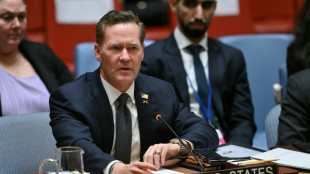 Washington denounces Iran's truce proposal as 'cynical'

Uyukar Domingo Peas, an Ecuadorian Indigenous activist, says if there are still "reservoirs of natural resources" in the world, it is "because we have protected them for thousands of years."
Peas has been fighting against the destruction of forests for three decades and regrets that states and companies continue to destroy the Amazon despite the urgency of the climate crisis.
"The Amazon must remain intact for the youth and the rest of humanity," the 58-year-old from the Achuar nation told AFP, lamenting that governments and corporations have not sought the ancestral knowledge of Indigenous peoples to save the planet.
Peas was speaking at Environment Week, a series of independent events involving Indigenous peoples from around the world that is being held in New York on the sidelines of the United Nations General Assembly.
An estimated 80 percent of the world's tropical forests -- about 800 million hectares -- are in Indigenous territories, according to organizations that defend them.
Many Indigenous people blame capitalism for the destruction of their forests.
"We want companies and banks to stop investing for money and invest for the common good" because "climate change harms every human being," he said.
He is calling for funds to implement the Amazon Sacred Headwaters Initiative, which aims to protect 35 million hectares in the Amazon rainforest of Peru and Ecuador, and is home to 30 Indigenous communities with around 600,000 people.
He hopes that the nine countries that share the Amazon -- often referred to as the lungs of the planet, spread over nearly 300 million hectares with three million inhabitants from more than 500 peoples -- will also join this initiative.
- 'Bioeconomy' -
Peas advocates for a new "bioeconomy," with new sources of energy, tourism programs and other initiatives to ensure that Indigenous youth do not migrate away from their homelands.
"We want to take care of the jungle and live off the jungle," he said.
Compared to the large sums needed for the oil and mining projects that pollute their lands and rivers, Peas' initiative requires just $19 million over 10 years.
"Mother Earth does not expect us to save her, she expects us to respect her," said Nemonte Nenquimo, the Ecuadorian chief of the Waorani nation.
- 'Where does the money go?'-
The Covid pandemic and "the collective hysteria of oil-dependent countries" following the conflict in Ukraine have dealt a severe blow to the Indigenous climate struggle, said Levi Sucre, of the Bribri community, an Indigenous people living between Costa Rica and Panama.
With priorities set on economic recovery, Indigenous rights "have regressed alarmingly in the last two, three years," he told AFP.
He said that the most alarming case is that of Brazil, where the government "deliberately ignores the Indigenous peoples."
Indigenous peoples' representatives complain that the resources agreed upon at climate meetings barely ever reached them.
Monica Kristiani Ndoen, a young Indonesian Indigenous leader, said that "the challenge is to access climate funds directly."
"The question is where does the money go?"
For the Venezuelan Gregorio Diaz Mirabal, general coordinator of the Indigenous Organizations of the Amazon Basin (COICA), the problem is that "we are not present in the meetings where the decisions are taken."
"If you want us to continue to provide oxygen, rivers, forests, drinking water, respect our house," he said.
H.Jarrar--SF-PST