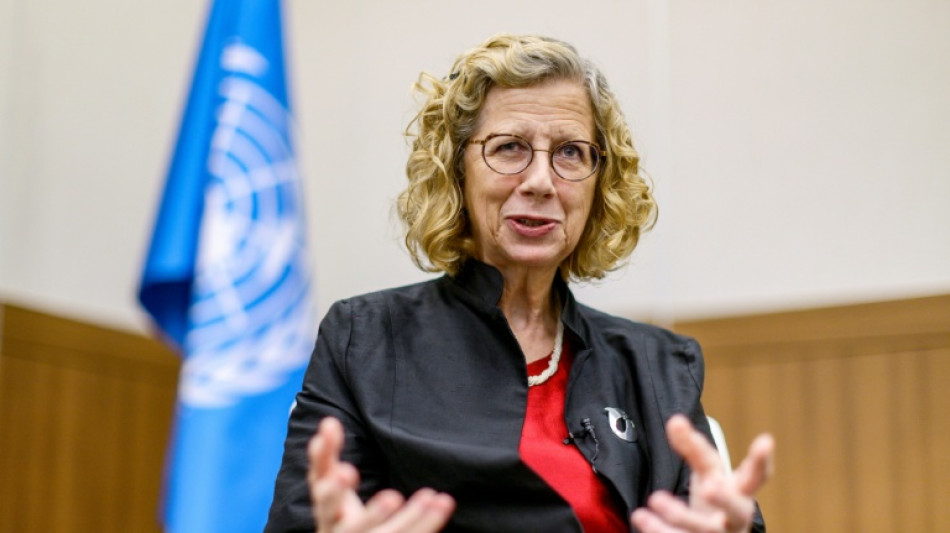
We need to talk about our fossil fuel addiction: UNEP chief / Photo: Anthony WALLACE - AFP

 Messi and Alcaraz love it, now padel takes step closer to Olympics

 Tolls mount in Thailand, Myanmar floods
 Why India's opposition wants top poll official out

 PU Prime Strengthens UAE Momentum with Strong Showing at Forex Expo Dubai 2026
 Eight dead in Thailand floods since mid-September
 Oil prices spike after Trump rejects Iran truce offer
 Taylor Swift sets new record at MTV VMAs
 Seoul seeks apology after Ukraine reveals transfer of North Korean POWs
 Messi on target again but Miami downed by Columbus
 In Washington's political cauldron, a fight over foie gras
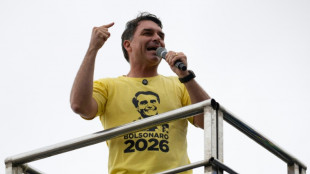 Flavio Bolsonaro: political heir in his father's shadow

 Ravens grab last-second win in Rio as Commanders stop Seahawks
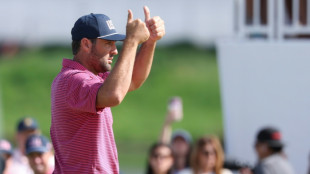
 USA rallies to capture 11th consecutive Presidents Cup
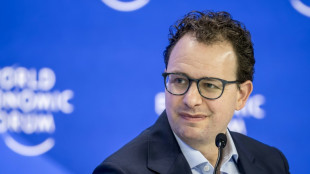
 Phillies clinch, Astros wrap up division on final day of MLB season

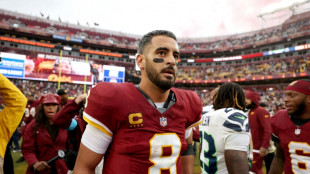 Commanders hand champion Seahawks their first loss

 Dupont scores twice to send Toulouse top of Top 14
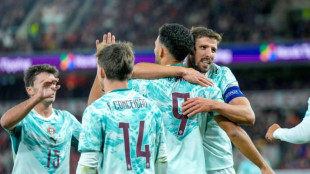
 Ireland beat Israel but no handshakes due to war in Gaza

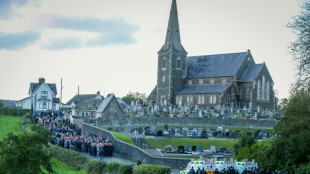 Tense standoff over flashpoint N.Ireland parade lasts into night
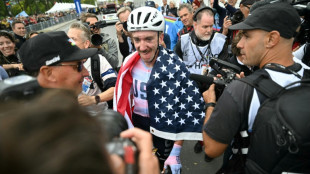 Stunned McNulty wins 'miracle' road race world title
 Re-released 'Avengers: Endgame' snaps-up N. America box office lead
 American McNulty wins shock road race world title
 Serbia's President Aleksandar Vucic announces resignation
 Tuchel urges Bellingham to play with 'rage'

 Russian strikes on Ukraine kill 8
 Bavuma, Miller hit centuries as South Africa clinch series
"Off Target," "Broken Record," "Closing Window": the UN Environment Programme's flagship reports have been warning for years that emissions must fall faster to avoid dangerous climate impacts -- but is the world listening?
UNEP Executive Director Inger Andersen thinks so, pointing to progress made since the Paris Agreement a decade ago, but says nations must go further, and wean off fossil fuels.
The Danish economist, in Brazil for the marathon COP30 climate talks, is no stranger to the pitfalls of environmental diplomacy, having presided over tense plastic treaty talks that collapsed in August.
Andersen spoke with AFP on the sidelines of the UN's annual climate summit about finding common ground, the need for deadlines, and why she wishes the United States was present in Belem.
This interview has been edited for length and clarity.
A: "I think they are. We are seeing a degree of stretch in some of the NDCs -- but this stretch is not enough. The question is, do we just all give up and walk home? No. This is a time when we lean in."
A: "A conversation around emissions is what we need to do -- and it is urgent. Having it on this formal agenda, or in another way, it is critical that we do not lose sight of the fact that the whole story has to end with a reduction, a phase out, a phase down, the transition away from fossil fuels, such that we don't have the emissions that we are talking about.
"We need to scale up the alternatives that can power our world, because you and I and the rest of the world are addicted to fossil fuels. Right now, our economies drive on it in many countries."
A: "I was one of the ones who pushed for a deadline -- let's get it done in two years. Now did I know that we wouldn't get it done? That was a high likelihood. It took us 17 years to get to BBNJ (the High Seas Treaty). It took 21 years to get to even a target on climate. But we don't have 21 years or 17 years for plastic, because it's everywhere.
"We have had six meetings in two and a half years. What happens (next) is what happens in any negotiations -- we take another round. And sometimes when you're down and out, that's when it focuses the mind."
A: "At this point when geopolitics is complex and when there are tensions in the global multilateral system, it's really important to remember that we are all here for the same reason. Do we have different interests? Maybe. Are they pulling in different directions? At times, yes. But does anyone not want to solve the plastic or the climate crisis? I don't think so."
A: "No, in multilateralism we would like to see all 193 member states present. Of course, we respect the decision of an elected government. That's a sovereign decision. But we certainly would like to see a presence irrespective of the positions that individual governments may take.
"And just to make very clear that the US was present in Geneva, and I will not put at their feet what transpired. It was a collective failure and I think everybody -- including the United Nations -- has to look at what can we do better next time around."
Q.Bulbul--SF-PST