-
 SGFX Creates a Standout Brand Experience at Forex Expo Dubai 2026
-
French prosecutors seek two-year sentence for ex-minister Dati in graft case
-
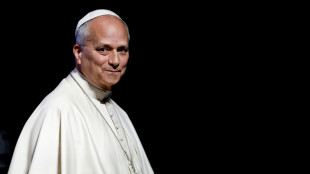 Pope urges Europe to help combat 'deceit and lies' in international ties
-
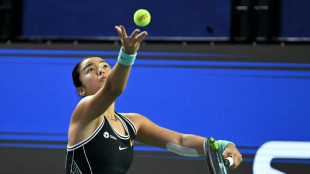
Eala makes fast start as weather and transport woes hit Asian Games
-
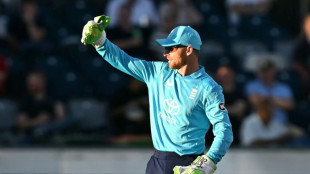 Injured Buttler to miss England ODI series in Pakistan
-
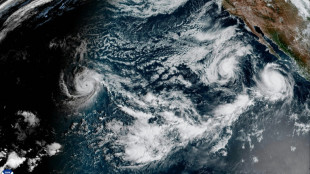
Hurricane Polo approaches Mexico, threatens severe damage
-
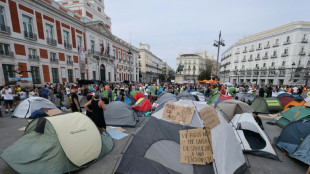 Madrid housing protesters vow to maintain pressure on government
-
Energy markets rally after Trump rejects Iran truce offer
-
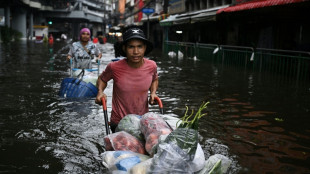 In kayaks or waist-deep in floodwater, shoppers return to Bangkok markets
-
Japanese convenience store enlists Lady Gaga to bolster recruitment

-
 UK police probes Iran link to air base bomb scare: media
-
Seoul summons Ukraine envoy in row over North Korean POWs
-
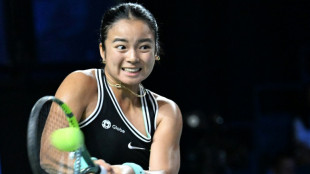 Eala blasts into Asian Games quarters in just 55 minutes
-
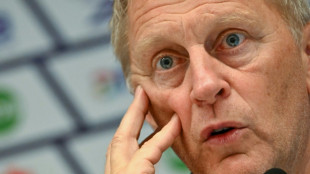
Ireland 'raised awareness worldwide' in Israel game: Hallgrimsson
-
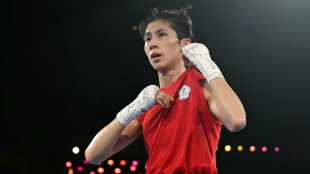 Taiwan gender-row boxer Lin Yu-ting guarantees Asian Games medal
-
Colombian police capture wife, daughter of Ecuador drug lord

-
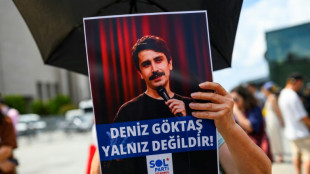
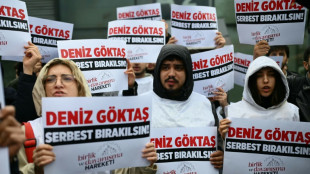 Comedian on trial for allegedly insulting Erdogan in standup show
-
More Asian Games woes as bus takes Pakistan team to wrong venue
-
 More Asian Games transport woes as bus takes Pakistan to wrong venue
-
Radio frequencies vital to Earth observation must be protected: UN
-
 Death toll in South Africa bar shooting rises to 18
-
Comedian on trial for insulting Erdogan in standup show
-
 Aide to Venezuelan opposition leader returns from exile
-
Women's Fashion Week kicks off in Paris

-
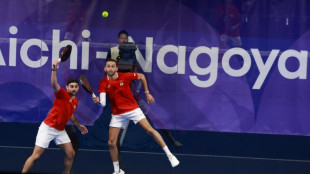 Messi and Alcaraz love it, now padel takes step closer to Olympics
-
Pope arrives in French border city to speak on united Europe

-
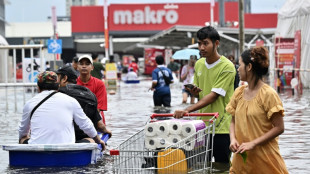 Tolls mount in Thailand, Myanmar floods
-
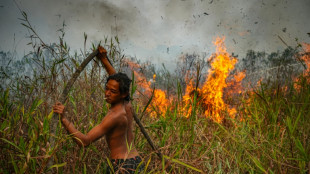
The wildfires choking Indonesia, sparking regional haze
-
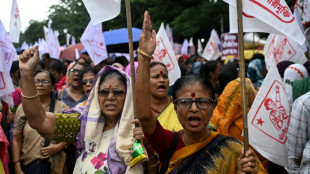 Why India's opposition wants top poll official out
-
PU Prime Deepens Argentina Presence Through FX Expo Buenos Aires 2026

-
 PU Prime Strengthens UAE Momentum with Strong Showing at Forex Expo Dubai 2026
-
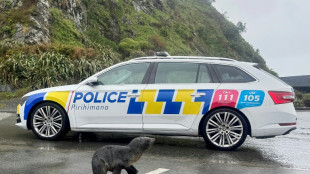
Nothing to seal here: NZ police help stranded pup home
-
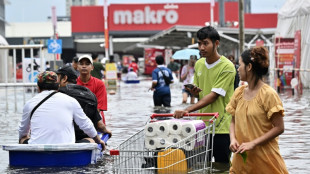 Eight dead in Thailand floods since mid-September
-
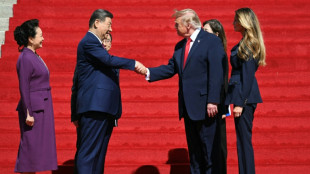
White House releases list of products US, China could tax less
-
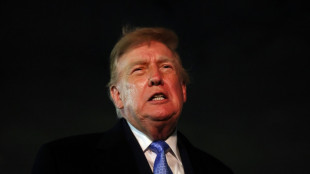 Oil prices spike after Trump rejects Iran truce offer
-
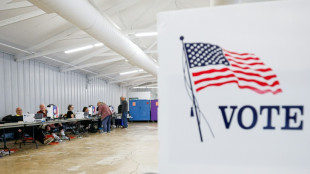
'Pseudo-journalism': Partisan 'news' sites target US midterms
-
 Taylor Swift sets new record at MTV VMAs
-
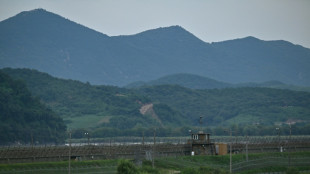
'Currently impossible': North Korea defections in freefall
-
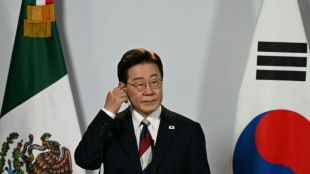 Seoul seeks apology after Ukraine reveals transfer of North Korean POWs
-
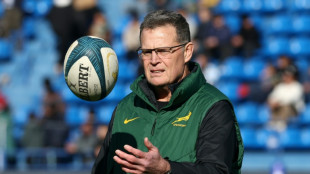
Erasmus sizes up 'improved' Wallabies ahead of 2027 World Cup
-
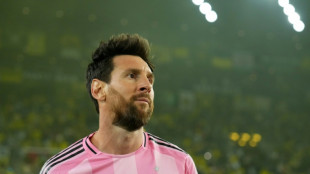 Messi on target again but Miami downed by Columbus
-
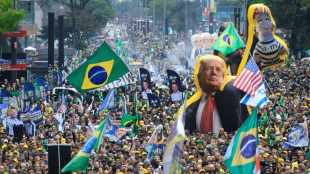
Scandal-weary Brazilians to vote as Lula faces Bolsonaro son
-
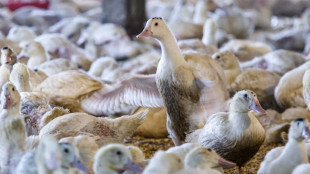 In Washington's political cauldron, a fight over foie gras
-
SpaceX aims to put Starship in orbit for the first time
-
 Flavio Bolsonaro: political heir in his father's shadow
-
Pope to speak on united Europe from French border town

-
 Ravens grab last-second win in Rio as Commanders stop Seahawks
-
Scheffler makes sportsmanship stand over tee screamer
-
 USA rallies to capture 11th consecutive Presidents Cup
-
Anthropic CEO Amodei to dine with Trump at White House
Clock ticks down on global plastic pollution treaty
Negotiators trying to secure a global agreement on tackling the scourge of plastic pollution were frantically trying to find common ground with just hours left on Thursday.
Countries wanting bold action to turn the tide on plastic garbage were trying to build last-minute bridges with a group of oil-producing nations -- after three years of talks.
"We need to have a coherent global treaty. We can't do it on our own," Kenya's Environment Minister Deborah Barasa told AFP. Kenya is in the High Ambition Coalition group of countries.
Barasa suggested nations could strike a treaty now, then work in some of the finer details further down the line.
"We need to come to a middle ground. There's some compromise that may need to be done, and then we can have a step-wise approach in terms of building up this treaty... and end plastic pollution.
"We need to leave with the treaty."
- Macron's call to action -
With 15 million tonnes of plastic dumped in the ocean every minute, French President Emmanuel Macron asked: "What are we waiting for to act?"
"I urge all states gathered in Geneva to adopt an agreement that truly meets the scale of this environmental and public health emergency," he said on X.
All eyes were on whether the chair of the talks, Luis Vayas Valdivieso, would come up with a radically improved draft text.
The Ecuadoran diplomat's previous attempt was shredded on impact Wednesday as one country after another branded it unacceptable.
The High Ambition group dismissed it as an empty document, shorn of bold action such as curbing production and phasing out toxic ingredients. They argued it had been reduced to a waste management accord.
For the so-called Like-Minded Group, led by Gulf states it crossed too many of their red lines. They said it had not done enough to narrow the scope of what they might be signing up for.
The group is a cluster of mostly oil-producing states that includes Saudi Arabia, Kuwait, Russia and Iran.
They want the treaty to focus primarily on waste management.
- Tension as clock ticks -
Multiple regional groups huddled in meetings early Thursday.
"It is very tense," Greenpeace delegation chief Graham Forbes told AFP.
"These final hours are critically important. We need to see meaningful obligations in this text -- and now is the moment to do it."
The two key cross-regional blocs -- the High Ambition Coalition and the Like-Minded Group -- were to have their own meetings before marching back into the plenary session, which brings all the negotiating countries together in the UN Palais des Nations' main assembly hall.
The plenary was pushed back by four hours to 1700 GMT as talks went on in the meeting rooms.
One senior Western negotiator, who was among those who had skewered the previous draft, told AFP: "It's all up in the air."
- 'A lot of ugliness' -
"It's very simple: there are only two scenarios: there's bad and very bad -- and a lot of ugliness in between," Aleksandar Rankovic from The Common Initiative think-tank, he told AFP.
"The bad scenario is that countries adopt a very bad treaty.
"The very bad is that they don't agree on anything, and they either try to reconvene," or the treaty is "kept in limbo for a long time -- so practically abandoned".
The problem is so ubiquitous that microplastics have been found on the highest mountain peaks, in the deepest ocean trench and scattered throughout almost every part of the human body.
After three years and five previous rounds of talks, negotiators from 185 countries have been working at the United Nations in Geneva since August 5 to try to conclude a first international accord on dealing with plastic pollution.
The Geneva meeting, he said, "should conclude with a formal treaty that will be acceptable to all".
The World Wide Fund for Nature told AFP that ambitious countries "must have by now recognised that there is no possible text that will be acceptable to all UN member states". It urged ministers to table their own text.
I.Saadi--SF-PST