-
 OpenAI cancels release of newest model due to safety concerns
-
Manchester City's Premier League charges: What comes next?

-
 AI bosses head to White House as safety pressure builds
-
Brazil's cellphone crime: a security nightmare in every pocket
-
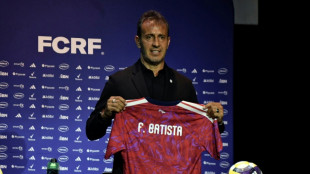 Batista sacked as Costa Rica coach after six months
-
Russia pummels Kyiv in latest deadly attack
-
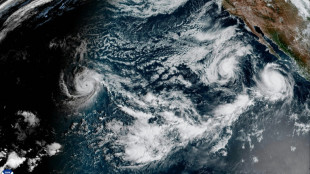
 Flooding, power cuts and evacuations as Hurricane Polo slams Mexico
-
NFL Giants obtain QB McCarthy from Vikings

-
 Dodgers eye three-peat, Red Sox face Yankees as MLB playoffs begin
-
Deal for evicted Spanish pensioner as PM seeks new housing law
-
 Certification of Boeing 737 MAX delayed by software bug
-
Clippers apologize, warn fans of 'challenges' after Leonard scandal

-
 Celine Dion wows Paris Fashion Week with surprise gig
-
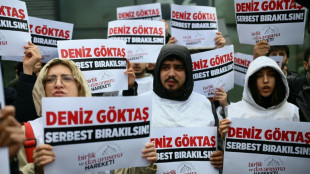
Turkish comedian convicted for Erdogan 'insult' freed pending appeal
-
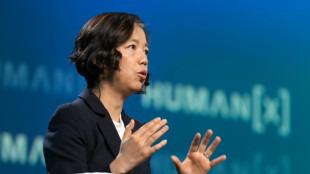 AMD buys firm founded by AI 'godmother' Fei-Fei Li
-
Trump announces 'biggest' US steel plant in battleground Iowa
-
 Italy rebound in Turkey as France win late in Belgium
-
Olise wonder strike gives Zidane's France win in Belgium

-
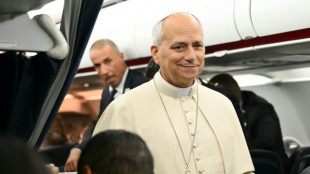 Pope says concerns about AI 'should be taken seriously'
-
US stocks fall, bond yields rise as Middle East war drags on
-
 Hurricanes to hoist title banner as NHL season begins
-
Trump denies offering to sell arms to China's Xi
-
 Justice Alito steps aside from major US climate case
-
Wemby ready for NBA Spurs to move rivals in climb to top

-
 Willis happy with England exile after retains Top 14 player award
-
Ukraine to postpone some spending amid delays in aid: PM
-
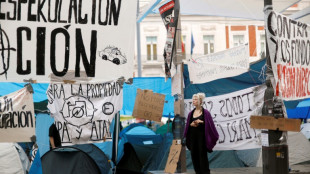 Spain housing protests keep heat on government as PM seeks new law
-
Tuchel says Czech Republic game 'not yet a must-win'
-
 Wissa spoils Zimbabwe homecoming as DR Congo win AFCON qualifier
-
MaXhosa puts South Africa on the Paris fashion map

-
 UK police release on bail five men held over airbase incident
-
Rose, Scott among 2027 World Golf Hall of Fame finalists

-
 Ex-All Black Plummer 'sure' New Zealand will find Super Rugby solution
-
Brunson says NBA champion Knicks can't get satisfaction

-
 Shein sees 1% revenue growth in first half of 2026
-
France puts out largest wildfire since 1949
-
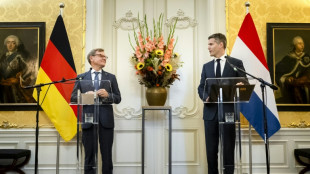 Netherlands regrets Israel retaliation in settlements row
-
Real Madrid's Perez summoned over Barcelona referee payments comments
-
 Moscow seizes Russian assets of German food retailer Metro
-
Oil takes off again, Wall Street dips after Trump rejects Iran truce offer
-
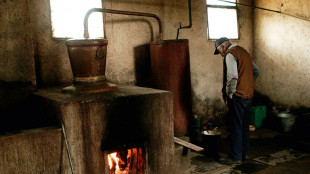 Bulgarian spirits inflamed by new rakia rules
-
AlgoQuant Asset Management Selects Liquid Mercury to Enhance Digital Asset Trading Infrastructure

-
 Documentary turns camera on architect Peter Zumthor
-
UK to reopen refugee resettlement scheme to push 'safe' migration
-
 UK police say releasing on bail five men held over airbase incident
-
Pope urges Europe to help combat 'lies and deceit' in world affairs
-
 Trump admin finalizes reversal of US fuel economy standards
-
Iranian lawyer Nasrin Sotoudeh wins Council of Europe's rights prize
-
 US says no China arms sale plans after envoy cites Trump offer
-
French far-right's Bardella denies alleged 2013 antisemitic comments
Push to salvage climate talks after poor nations bristle at cash
Key nations raced Saturday to salvage UN climate talks after the poorest countries pushed back angrily for more than $300 billion a year in help from historic wealthy emitters.
More than a day past the scheduled conclusion of two days of COP29 talks, host Azerbaijan urged bleary-eyed delegates to seek consensus to avoid failure.
"I know that none of us want to leave Baku without a good outcome," COP president Mukhtar Babayev told a late-night session, urging all nations to "bridge the remaining divide".
Developing power Brazil pleaded for at least some progress and said it would seek to build on it when it leads COP30 next year in the Amazon gateway of Belem.
"After the difficult experience that we're having here in Baku, we need to reach some outcome that is minimally acceptable in line with the emergency we're facing," Brazil's environment minister Marina Silva told delegates.
A number of nations have accused Azerbaijan, an authoritarian oil and gas exporter, of lacking the experience and will to meet the moment, as the planet again sets record temperatures and faces rising deadly disasters.
Small island nations threatened by rising seas and impoverished African states on Saturday angrily stormed out of a meeting with Azerbaijan, saying their concerns had been ignored.
The European Union, United States and other wealthy countries met directly with poorer nations to work out final details, with both blocs also concerned at efforts led by Saudi Arabia to water down calls from last year's summit to phase out fossil fuels.
"If we don't do it, people at home -- in every home across the world -- would say, why did you not get an agreement? Because I believe we can," Irish climate minister Eamon Ryan told AFP.
A draft of the final text seen by AFP proposes that rich nations raise to $300 billion a year by 2035 their commitment to poorer countries to fight climate change.
It is up from $100 billion now provided by wealthy nations under a commitment set to expire -- and from $250 billion proposed in a draft Friday.
That offer was slammed as offensively low by developing countries, which have demanded at least $500 billion to build resilience against climate change and cut emissions.
Sierra Leone's climate minister Jiwoh Abdulai, whose country is among the world's poorest, called the draft "effectively a suicide pact for the rest of the world".
- Tired and 'disheartened' -
As staff at the cavernous and windowless stadium began closing down, diplomats rushed to meetings with one another, some ready with food and water in preparation for another late night.
Panama's outspoken negotiator, Juan Carlos Monterrey Gomez, voiced anger at offers by rich countries but warned not to repeat the failure of COP15 in Copenhagen in 2009.
"I'm sad, I'm tired, I'm disheartened, I'm hungry, I'm sleep-deprived, but there is a tiny ray of optimism within me because this cannot become a new Copenhagen," he told reporters.
UK Energy Secretary Ed Miliband said the revised offer of $300 billion was "a significant scaling up" of the existing pledge by developed nations, which also count the United States, EU and Japan among their ranks.
Climate activists shouted "shame" as US climate envoy John Podesta walked the halls. "Hopefully this is the storm before the calm," he said.
Wealthy nations say it is politically unrealistic to expect more in direct government funding.
Donald Trump, a sceptic of both climate change and foreign assistance, returns to the White House in January and a number of other Western countries have seen right-wing backlashes against the green agenda.
The draft deal posits a larger overall target of $1.3 trillion per year to cope with rising temperatures and disasters, but most would come from private sources.
- 'Not going backwards' -
Ali Mohamed, the Kenyan chair of the African Group of Negotiators, told AFP: "No deal is better than a bad deal."
"What we are not up for is going backwards or standing still," he said. "We might as well just have stayed at home then."
The US and EU have wanted newly wealthy emerging economies like China -- the world's largest emitter -- to chip in.
China, which remains classified as a developing nation under the UN framework, provides climate assistance but wants to keep doing so on its own voluntary terms.
The EU and other countries have also tussled with Saudi Arabia over including strong language on moving away from fossil fuels, which negotiators say the oil-producing country has resisted.
"We will not allow the most vulnerable, especially the small island states, to be ripped off by the new, few rich fossil fuel emitters," said German Foreign Minister Annalena Baerbock.
I.Yassin--SF-PST