Ethiopia's 'korale' recyclers turn waste into money / Photo: Michele Spatari - AFP

 South Korea team latest to be bussed to wrong Asian Games venue
 Bears thrash Eagles 27-7 as third-string QB Keenum shines
 All Blacks name veteran Taylor captain as Mo'unga seizes 10 jersey
 Race against time as Asian Games cricket quarter-finals washed out
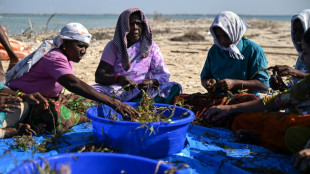 India turns to corals and seagrass to shield against rising seas

 Manchester City's Premier League charges: What comes next?

 Brazil's cellphone crime: a security nightmare in every pocket

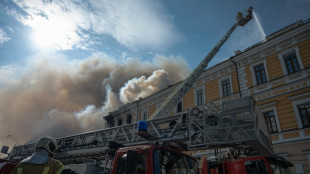 Russia pummels Kyiv in latest deadly attack
 NFL Giants obtain QB McCarthy from Vikings

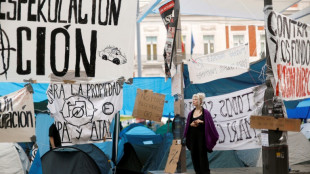 Deal for evicted Spanish pensioner as PM seeks new housing law

 Clippers apologize, warn fans of 'challenges' after Leonard scandal

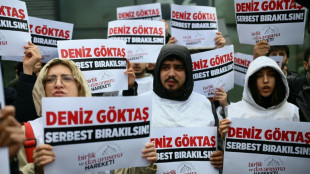 Turkish comedian convicted for Erdogan 'insult' freed pending appeal

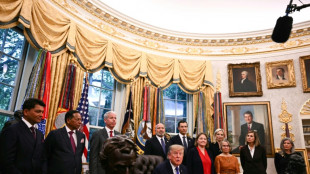 Trump announces 'biggest' US steel plant in battleground Iowa

 Olise wonder strike gives Zidane's France win in Belgium

 US stocks fall, bond yields rise as Middle East war drags on

 Trump denies offering to sell arms to China's Xi

 Wemby ready for NBA Spurs to move rivals in climb to top

 Ukraine to postpone some spending amid delays in aid: PM
 Tuchel says Czech Republic game 'not yet a must-win'

 MaXhosa puts South Africa on the Paris fashion map

 Rose, Scott among 2027 World Golf Hall of Fame finalists

 Brunson says NBA champion Knicks can't get satisfaction

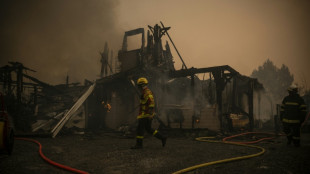 France puts out largest wildfire since 1949
 Real Madrid's Perez summoned over Barcelona referee payments comments
 Oil takes off again, Wall Street dips after Trump rejects Iran truce offer
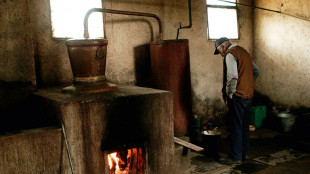
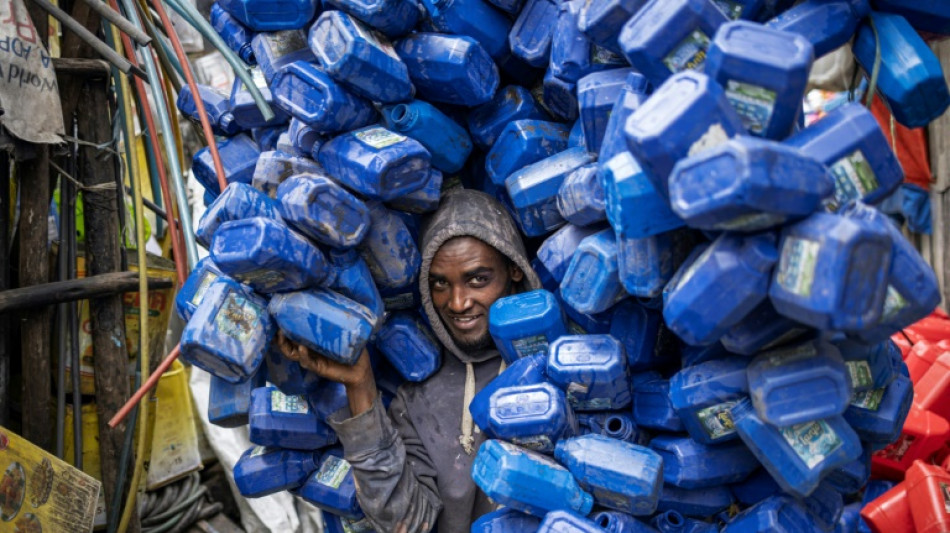
With a tattered bag on his back, Dereje Enigdamekonen trawled the endless alleyways of the Merkato market in Addis Ababa, calling for the Ethiopian capital's abundant scrap.
"Korale, korale," he shouted at regular intervals.
It's a made-up word in Amharic that is now used for the thousands of collectors, almost all men, who hunt out everything from used jerry cans and electrical equipment to shoes, shovels and any other unwanted bric-a-brac.
These objects are then either restored, stripped for spare parts, or transformed into something new -- giving new life to what would otherwise be polluting litter.
Dereje, 45, has been doing this work for a year, rain or shine, saying he buys "everything that can be reused".
For a kilogramme of collected metal, he can get about 40 birr ($0.30) and for jerry cans, depending on the size, between three and 25 birr.
"Waste can be transformed into money," he said with a smile.
After wandering for hours, the korales converged on an area of Merkato called Minalesh Tera, which translates from Amharic as "What do you have?".
Here, the narrow alleys of Merkato, one of Africa's largest open-air markets, are lined with tiny tin-shack shops as far as the eye can see.
The recyclers sell their daily finds to middlemen like Tesfaye Getahun, who was in the middle of dismantling a huge printer.
With heavy blows of a mallet, he isolated the motherboard and some aluminium parts.
Whether it is computers or old televisions, Tesfaye said he recycles everything.
"They aren't used anymore, and if left like that, they can cause environmental pollution. But if they are disassembled and sold for parts, it helps prevent pollution," he said.
Addis Ababa produces about 400,000 tonnes of waste annually, according to 2020 figures from the United Nations Development Programme (UNDP), of which only 70 percent is picked up by the official waste management system.
- 'Help the environment' -
Tamirat Dejene was almost lost among piles of jerry cans in his shop.
The 21-year-old, who has been collecting plastic for four years, said he earns between 500 and 1,000 birr ($4 to $8.50) a day.
That can be a godsend in a country where more than a third of its 120 million people live below the poverty line, according to the World Bank.
"We earn our living and we also help the environment because these items are not biodegradable," said Tamirat.
"It is also beneficial for Addis Ababa: if this waste were not collected, the city's landfills would overflow. So we earn our living while providing a solution," he added.
The objects made in Minalesh Tera are then sold in shops in the capital and all over the country.
Some go even further.
Biruk Shimeles, 31, buys scrap metal to make aluminium charcoal stoves which he sells in Sudan, Djibouti and Somalia.
"This work protects the community from waste by transforming it into a business opportunity," said Biruk.
J.AbuShaban--SF-PST