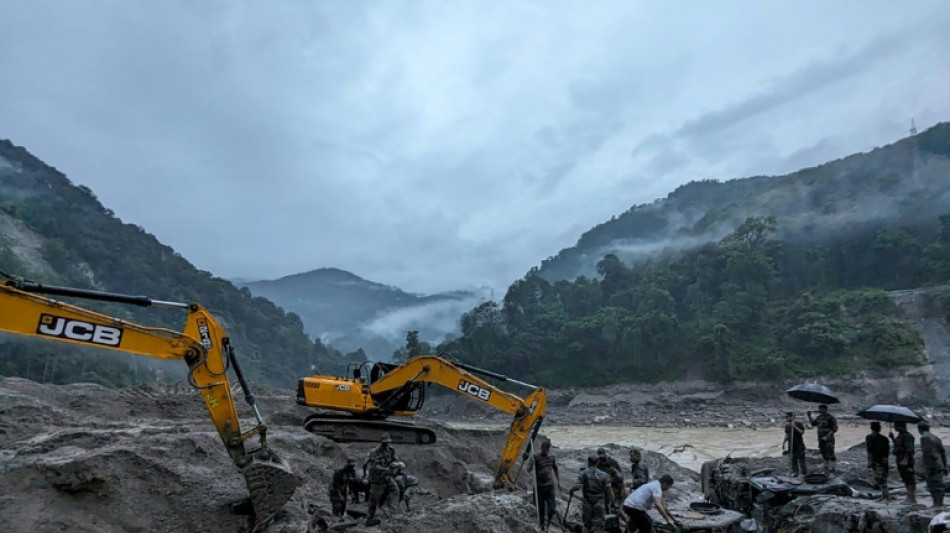
India launches flood warning systems at Himalayan glacial lakes / Photo: - - India's Ministry of Defence/AFP/File

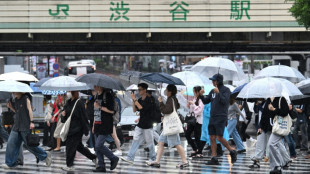 Tokyo suffers longest streak of rainy days on record

 Indonesia charges train driver over crash that killed 16 women
 تدمير البيوت التراثية يهدد الذاكرة السياسية والعمرانية لجنوب لبنان

 أحمد اليوسف يوضح ملابسات تصريح أعمار لاعبي منتخب الكويت
 السعودية تواجه العراق في قمة خليجية لحسم العلامة الكاملة

 العراق يستضيف خليجي 28 وبغداد والبصرة تتسابقان على تنظيم المباريات

 وليد الدغسني يحول فضاء «البروفة» إلى مختبر بصري للحياة

 رجا بهلول يبحث العلاقة المتبادلة بين الثقافة السياسية ونظام الحكم

 حريق منزلين فلسطينيين في هجوم لمستوطنين على جالود جنوب نابلس

 Sabalenka 'fresh' for first tournament since losing No.1 spot

 Myanmar airstrike death toll rises to 50: aid workers
 North Korean DMZ landmine blast 'violation of armistice'

 South Korea volleyball team latest to be bussed to wrong Games venue

 Malaysia starts sending Myanmar migrants home

 8.3 mn refugees at risk due to 'severe' funding cuts: UN

 Stocks drop and oil rises as Hormuz hopes fade

 OpenAI cancels release of newest model due to safety concerns

 AI bosses head to White House as safety pressure builds

 Batista sacked as Costa Rica coach after six months
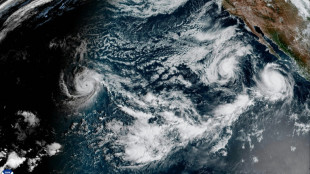
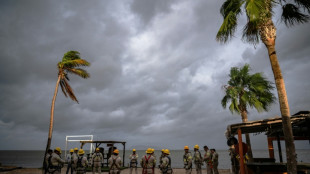 Flooding, power cuts and evacuations as Hurricane Polo slams Mexico

 NFL Giants obtain QB McCarthy from Vikings

 Deal for evicted Spanish pensioner as PM seeks new housing law

 Clippers apologize, warn fans of 'challenges' after Leonard scandal

 Turkish comedian convicted for Erdogan 'insult' freed pending appeal

 Trump announces 'biggest' US steel plant in battleground Iowa

India is setting up high-tech warning systems at nearly 200 Himalayan glacial lakes at risk of bursting their banks, a deadly threat exacerbated by climate change, disaster officials said Tuesday.
India's Himalayas contain at least 7,500 glacial lakes, many of which pose risks of dangerous flash floods.
Teams from India's National Disaster Management Authority (NDMA) are targeting 190 high-altitude lakes deemed to be the most dangerous in a mission slated to take three years.
"We have already made significant strides in mitigating risks", Safi Ahsan Rizvi, a senior NDMA official directing the mission, told AFP.
A glacial lake outburst flood (GLOF) is the sudden release of water that has collected in former glacier beds.
These lakes are formed by the retreat of glaciers, a naturally occurring phenomenon turbocharged by the warmer temperatures of human-caused climate change.
One expedition is currently working to install early warning systems around six high-risk lakes in the northeastern state of Sikkim, where at least 77 people died in such a flood in October 2023.
"We have done 20 lakes so far, and will complete 40 this summer," Rizvi said.
The project will also include "lowering lake levels" of accumulated water and ice slush in lakes.
Teams include experts from the army and multiple government agencies, including the Indian Space Research Organisation, geologists, hydrologists, computing engineers and weather specialists.
India's air force is also expected to join the mission later, flying heavy equipment into remote sites.
- 'Catastrophic impacts' -
The mission will cover the Himalayan regions in India, from Kashmir and Ladakh in the north to Arunachal Pradesh in the northeast, many in areas bordering China.
Climate change is driving the disappearance of glaciers, with half the Earth's 215,000 glaciers projected to melt by the end of the century, even if warming can be capped at 1.5 degrees Celsius above pre-industrial levels.
The volume of glacial lakes has jumped by 50 percent in 30 years, according to a 2020 study based on satellite data.
A study, published in Nature Communications, found that 15 million people live within 50 kilometres (31 miles) of a glacial lake and within one kilometre of potential flooding from a breach.
The risk was greatest in the "High Mountains Asia" region across 12 countries, including India, Pakistan, China and Nepal.
That is partly because more people live closer to glacial lakes in the region than in other parts of the world, making warning times even shorter.
Last month a glacial lake outburst in neighbouring Nepal's Everest region sent a devastating flood of frigid water through the village of Thame, sweeping away buildings.
However, residents were forewarned and there were no casualties.
The International Centre for Integrated Mountain Development (ICIMOD) said it was a clear example of the "catastrophic impacts" increasing global temperatures were having on people who had done the least to contribute to the greenhouse gases driving it.
I.Matar--SF-PST