Coastal cities alarmingly slow to adapt to climate change: study / Photo: ISAAC LAWRENCE - AFP/File

 'Gift from God': Rain brings relief from Indonesia toxic haze
 Ex-world snooker champion jailed for 7 years for child sex crimes

 French teens clash with police as school blockades intensify

 FIFA accuses UEFA of 'misinformation campaign' in bid for World Cup papers

 Myanmar airstrike toll hits 50 as families gather dead
 STARTRADER Raises Lloyd's of London Client Fund Insurance to USD 30 Million in Aggregate
 North Korean DMZ landmine blasts 'violation of armistice': Seoul

 الإمارات تعرض في الأمم المتحدة نهجها لخفض التصعيد وبناء الجسور

 أزمة السيولة والوصول إلى الحسابات تضيق الخناق الاقتصادي على غزة

 ذكرى انتفاضة الأقصى تستعيد تحولات المواجهة الفلسطينية الإسرائيلية

 الدولار يقترب من ذروة شهرين وسط تقلبات حادة في أسواق النفط
 مستوطنون يضرمون النار في منزلين وسيارة بقرية جالود

 أربع شركات دولية تعرض خططها للتوسع والاستثمار في السوق المصرية
 إنفيديا تطلق منصة مفتوحة لضبط صلاحيات وكلاء الذكاء الاصطناعي

 مؤتمر أبوظبي لمنع الجريمة يدفع أجندة العدالة الدولية قدماً

 سعود بن صقر يتابع تطوير منظومة التنقل الجوي في رأس الخيمة

 دي بي ورلد تدشن خطاً بحرياً بين الهند والفجيرة وعُمان واليمن

 طيران الإمارات وغرف دبي تتعاونان لدعم تنافسية الشركات الصغيرة

 شركتان تستهدفان 500 مليون جنيه من عقود التمويل العقاري التشاركي

 مصر تستهدف زيادة حصة الصادرات السلعية إلى 30% من الناتج المحلي

 مباحثات لجذب مستثمرين صينيين إلى مشروعات صناعية في مصر
 رجا بهلول يبحث العلاقة المتبادلة بين الثقافة السياسية ونظام الحكم

 وليد الدغسني يحول فضاء «البروفة» إلى مختبر بصري للحياة

 حريق منزلين فلسطينيين في هجوم لمستوطنين على جالود جنوب نابلس

 السعودية تواجه العراق في قمة خليجية لحسم العلامة الكاملة

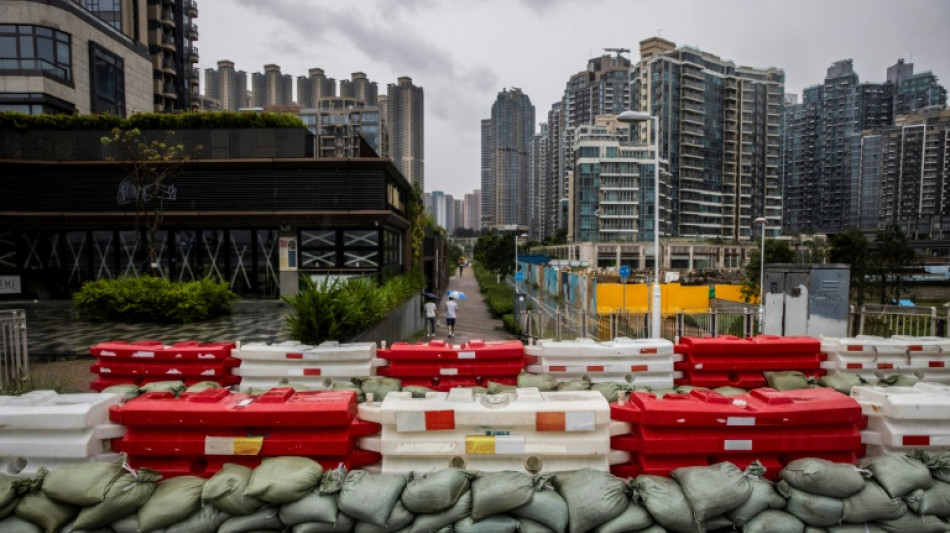
Coastal cities are not doing enough to adapt to climate change, taking too long and implementing insufficient measures, according to a major study published this week.
While flood barriers and pumping systems are a step in the right direction, "across all regions and income groups, scientifically reported adaptation in coastal cities remains at rather low depth, scope and speed," said the study published in Nature Cities, which looked at 199 cities worldwide.
Given the high exposure and vulnerability of many coastal cities, "this finding is alarming as adaptation to future climate change will require many cities to go beyond business as usual risk management," it said.
Short- and mid-term solutions, as many cities are implementing, could even have an adverse effect, the study warned, leading to a "lock-in and maladaptive path dependency in the long-term."
Instead, adaptation must aim at "transformation" of cities -- a change both of infrastructure and at the institutional level.
Positive models cited in the report include Singapore, Hong Kong and several Swedish cities.
But in the majority, the study found that coastal cities focus primarily on combating sea level rise, various types of flooding, and to a lesser extent the risks posed by erosion and storms.
And for scientists such a scope is too narrow -- cities need to address other problems linked to climate change, such as heatwaves.
- Institutions and households -
By comparing data from 199 cities, listed in 683 scientific articles, the researchers found that the actors driving adaptation changed according to the country and income category.
The richest coastal areas take a technological approach to dealing with climate change and the major players are institutions.
Meanwhile, lower-income cities located mainly in Africa, Asia, and South and Central America, have no other choice but to rely on a "behavioural and cultural" effort for populations to adapt.
In lower-income coastal cities, there is a lack of institutional and/or technological support, making it "more likely individuals/households are reported as prime adaptation actors."
The poorest economies remain under-represented in the scientific literature, which complicates their adaptation.
"A considerable gap in research that needs to be addressed urgently," the study warned.
N.AbuHussein--SF-PST