US patient dies from rare mosquito-borne disease / Photo: CHANDAN KHANNA - AFP/File

 Rod Wave Files Motion to Suppress Evidence From April 2025 Vehicle Search

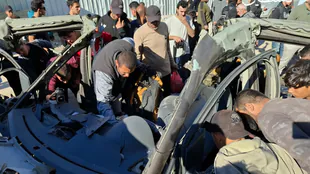 استشهاد 11 مواطنا في غزة جراء اعتداءات الاحتلال المتواصلة

 Mr C on North London’s Pioneering Role in the Global House Music Scene

 Below Deck alumnus João Franco and brother arrested after fatal Turkey fight

 General Hospital actor Randall England dies at 75

 London museum removes Russell Brand hair exhibit after rape conviction

 Yella Beezy sentenced to life for arranging rapper Mo3’s murder

 Toddler Diagnosed With Leukemia After Symptoms Dismissed as Winter Illness
 Davante Adams injury deepens Los Angeles Rams receiver shortage

 João Franco’s earlier post draws attention after arrest over fatal Turkey brawl

 Itlu Arjuna receives U/A certificate ahead of theatrical release
A person in the northeastern US state of New Hampshire has died after contracting the rare mosquito-borne eastern equine encephalitis (EEE) virus, health authorities announced Tuesday.
The patient, identified only as an adult from the town of Hampstead, was hospitalized with severe central nervous system disease and later succumbed to the illness, the New Hampshire Department of Health and Human Services (DHHS) said in a statement.
"The last reported human EEEV infection in New Hampshire was in 2014, when DHHS identified three human infections, including two fatalities," the department said.
The new infection and death comes amid rising concerns from state officials across New England about the increasing risk of EEE, a threat believed to be exacerbated by climate change.
Earlier this month, Massachusetts announced the year's first human case of EEE in the state -- a man in his 80s -- and officials have asked the public to observe voluntary outdoor curfews, closed public parks, and initiated aerial and ground spraying to control the mosquito population.
According to the Centers for Disease Control and Prevention, symptoms of eastern equine encephalitis include fever, headache, vomiting, diarrhea, seizures, behavioral changes and drowsiness.
It can also cause severe neurological disease, such as inflammation of the brain and membranes around the spinal cord, known as encephalitis and meningitis.
Approximately 30 percent of those infected die, and many survivors suffer ongoing physical or mental impacts. Individuals under 15 and over 50 are considered at higher risk.
There are currently no vaccines or treatments available.
Health officials advise using insect repellent, wearing protective clothing outdoors and eliminating standing water around homes to reduce mosquito breeding sites.
A 2023 report by Climate Central highlighted that the number of "mosquito days"—warm, humid conditions ideal for mosquito activity—has increased across much of the U.S. over the past four decades due to human-caused climate change.
U.AlSharif--SF-PST