Apes to stay at home as Malaysia tweaks 'orangutan diplomacy' / Photo: Mohd RASFAN - AFP/File

 Metsola Urges EU Investment to Secure Global AI Leadership

 رئيس بنك نيويورك الفيدرالي يحذر من استمرار رفع الفائدة للسيطرة على التضخم

 لجنة المتابعة العليا تطلق برنامجاً شاملاً لإفشال مخطط مصادرة أراضي سهل الطيبة

 Digi Power X Reports Q3 2026 Revenue Up 85% and AI Revenue Up Over 400% Compared to Q2

 Ole Miss inquiry expands after video and monkey-noise allegations

 Bunnie XO artwork taken down from Jelly Roll’s Nashville bar

 Arlington sentinel rebukes Pete Hegseth entourage for laughter near memorial

 Kylie Jenner employee describes closet ordeal and pepper-spray incident

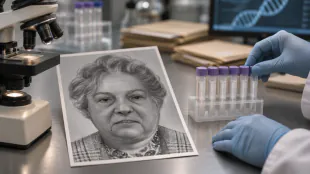 Authorities to identify Montauk Mary and five other Long Island cold-case victims

 Barbie sequel negotiations stall over reported $25 million pay packages
Malaysia is inviting countries that buy its palm oil to adopt orangutans but leave them in their natural habitat, local media reported, tweaking a plan that originally sought to send some abroad.
In a scheme modelled on China's "panda diplomacy", Malaysia announced in May that it would send the great apes as gifts to palm oil-purchasing countries, sparking an outcry among conservationists.
Orangutans are critically endangered, according to the WWF, with habitat loss due to logging and agricultural expansion -- particularly palm oil plantations.
On Sunday, Plantation and Commodities Minister Johari Abdul Ghani said any gifted orangutans will stay in Malaysia, the official Bernama news agency reported.
"All conservation activities will be carried out in forest areas or forest patches in oil palm plantations with high conservation value," he said, according to Bernama.
"These... areas provide space for orangutans to move freely, find food, and reproduce without interference from humans or other activities."
China has long used panda diplomacy as a form of soft power.
It loans pandas to foreign zoos under strict conditions, including returning any offspring to join China's breeding programme.
Palm oil is used in foods such as cakes, chocolate and margarine, as well as cosmetics, soap and shampoo.
Malaysia and Indonesia together produce the majority of global output.
S.Barghouti--SF-PST