Scientists to scour African waters to gauge ocean pollution / Photo: Amélie BOTTOLLIER-DEPOIS - AFP

 Barred from elections, Russia's anti-war party vows to fight on
 Jaissle states Newcastle ambition but urges patience

 NBA star Cooper Flagg trading card a slam dunk for lucky buyer
 ForumPay Expands Payment Infrastructure with New Card and Bank Transfer Acceptance Solution
 Oil prices higher, stocks flat ahead of inflation report

 Orban-critic ex-judge becomes Hungary president after predecessor ouster
 US rights groups sue Trump over ICC sanctions

 Sphere 3D Corp. (Nasdaq: ANY) Attracts 6.5% Stake from Turnaround Bitcoin-Mining Investor
 Oil prices lower, stocks higher as Hormuz doubts drag on
 Colombia scrambles to find survivors as quake kills 181
 Colombia scrambles to find survivors as quake kills 169

 MEXC Report: 74.2% of Traditional Finance Users Have Shifted Their Trading Activity to Crypto Exchanges

 MEXC Lists DAPPOS (DOS) With $60,000 Worth of DOS and 10,000 USDT in Airdrop+ Rewards
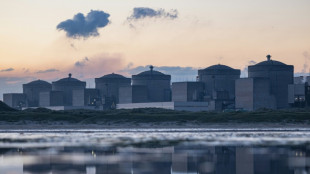 Jellyfish force shutdown of three reactors at French nuclear plant
 Hodgkinson, Werro sail through Euro 800m qualifying
 Somali referee denied World Cup 'proud' to oversee UEFA Super Cup
 French newspapers target Google over AI summaries

 Ebola death toll in DR Congo outbreak rises to more than 2,000

 PrimeXBT Launches MT5 Cent Account for Beginners and Risk-Conscious Traders
 British sprinter Hunt chasing three more golds after winning 100m

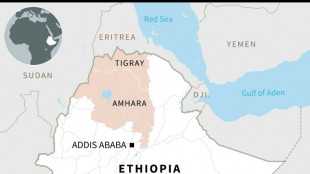 Ethiopia's Tigray rebel authorities condemn army drone strikes
 Too hot to live? French buyers rethink housing choices after heatwaves
 Ukraine says Russia fired N. Korean missiles in deadly attack
 Oil prices jump further as hopes for Hormuz deal fade
 Trump says would be 'terrible mistake' to oust embattled Infantino

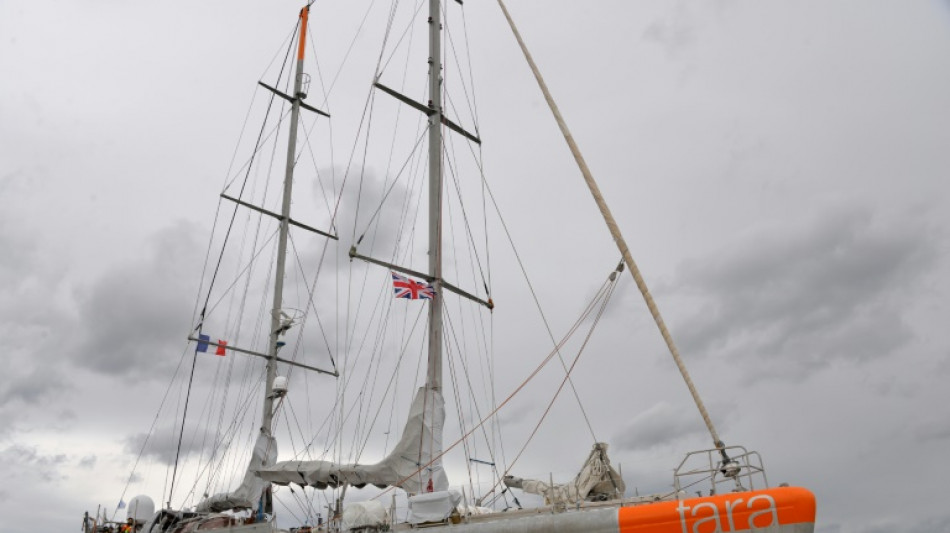
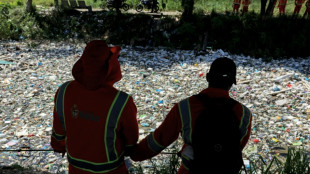
Scientists on Saturday began a five-month mission to study how plastic pollution in Africa's main rivers and climate change stresses are impacting microorganisms in the Atlantic ocean, they announced.
The survey is being staged from the 33-year-old Tara research schooner which arrived in South Africa's Cape Town on Friday ahead of the expedition up the West African coast.
The researchers will analyse how nutrients and pollution in major African rivers - the Congo, Orange, Gambia and Senegal - are affecting the Atlantic.
They will trace the sources of plastic pollution at river mouths, to understand their distribution and the types of material involved.
The research station will also cast nets that can go up to 1,000 metres below the ocean's surface, to collect samples from ecosystems called "microbiomes", to be analysed in labs on land. The data gathered will help answer key questions about the world's oceans.
The researchers will also study the Benguela Current, which moves up from South Africa to the Namibian and Angolan coasts.
It pulls up cold water from the ocean depths in a process known as upwelling, bringing nutrients to the surface.
"You get more nutrients here than anywhere else in the world," Emma Rocke, a 42-year-old research fellow at the University of Cape Town, who is working on the vessel, told AFP.
"Understanding that, and characterising it at a microbiome level is something that hasn't been done really ever, and more importantly, it's not incorporated in climate change models".
She said the UN's Intergovernmental Panel on Climate Change reports published so far don't consider the microbiome, "yet without it, ocean life would not exist".
Marine biologists will later study an upwelling current off the Senegalese coast, the world's third most powerful after Benguela and the Peru-Chile upwelling system.
The Tara vessel is on its 12th global mission and it involves 42 research institutions around the world.
Tara Ocean Foundation executive director Romain Trouble, 46, said that this is the first time the ship has traversed the West African coast.
"There's very little data on this kind of microbiome, microscopic species, in this ecosystem," he said.
University of Pretoria's microbial ecology and genome professor Thulani Makhalanyane, 37, will be focusing on the effect of agriculture and plastic pollution from African rivers.
"In coastal communities, we expect to see evidence of a high degree of pollution," said Makhalanyane. "We are also interested in other polluters that are perhaps not as well characterised, things like antibiotic resistance genes".
The vessel left its homeport of Lorient in France in December 2020 to embark on a 70,000-kilometre journey. Since then, it has traversed the coasts of Chile, Brazil and Argentina, as well as the Weddell Sea in Antarctica.
X.AbuJaber--SF-PST