Faulty warnings, deforestation turned Philippine rains 'deadly': study / Photo: Renante Naparan - AFP/File

 Amaze Holdings (NYSE: AMZE) Executes Binding LOI to Acquire BullionFX | Alchemy, a Decentralized Gold-Backed Financial Ecosystem for Valued at US$155 Million
 Clashes between French teens, police as school blockades intensify
 Stocks move sideways despite oil moving lower
 African leaders to gather in Egypt for business summit
 UK decides against charging foreign visitors for museums

 Dallaglio to sell England World Cup winners' medal

 Brazil come from behind to beat Australia 4-2 in friendly

 Ruthless An retains Asian Games badminton crown as Kunlavut triumphs

 Alonso to stay with F1 team Aston Martin in 2027
 China badminton 'still strong' despite Asian Games slump

 'Exceptional' Turner painting shown in Rome before sale

 European stocks climb as oil dips

 Spain aims to ban evictions until 2030 amid housing protests

 Kunlavut first Thai man to win Asian Games badminton singles gold

 French far right says antisemitism claims part of 'total war' to derail presidency bid

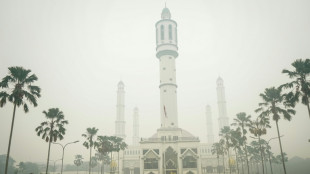 'Gift from God': Rain brings relief from Indonesia toxic haze

 Ex-world snooker champion jailed for 7 years for child sex crimes

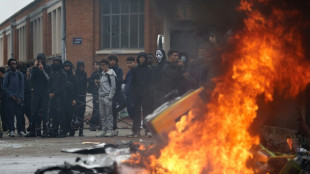 French teens clash with police as school blockades intensify

 FIFA accuses UEFA of 'misinformation campaign' in bid for World Cup papers

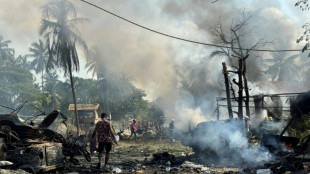 Myanmar airstrike toll hits 50 as families gather dead
 STARTRADER Raises Lloyd's of London Client Fund Insurance to USD 30 Million in Aggregate
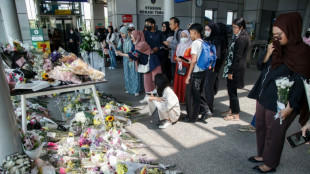
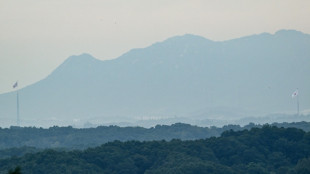 North Korean DMZ landmine blasts 'violation of armistice': Seoul

 مصر تستهدف زيادة حصة الصادرات السلعية إلى 30% من الناتج المحلي

 العربي الأفريقي الدولي يوسع برامج إعداد القيادات المصرفية

 مجموعة الغندور ترصد 3 مليارات جنيه لتوسعات جديدة حتى 2030

Faulty warning systems, poverty and deforestation of mountains in the southern Philippines turned recent unseasonably heavy rains into deadly disasters, scientists said in a report Friday.
More than 100 people were killed in landslides and floods in January and February on the country's second-largest island of Mindanao as the northeast monsoon and a low pressure trough brought downpours.
A study by the World Weather Attribution group found the unsually heavy rain in eastern Mindanao was not "particularly extreme".
But with people living in landslide-prone areas and shortcomings in weather alerts, the rains became "devastating".
"We can't just blame the rain for the severe impacts," said Richard Ybanez, chief science research specialist at the University of the Philippines' Resilience Institute.
"A range of human factors is what turned these downpours into deadly disasters."
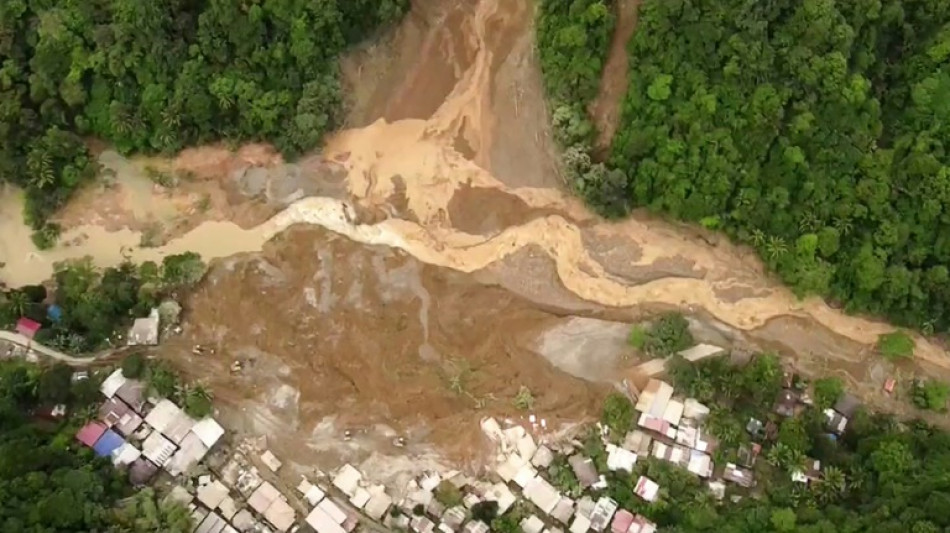
In the deadliest incident, more than 90 people were killed when the side of a mountain collapsed and smashed into a gold mining village on February 6, burying buses and houses.
While climate change was likely one of the drivers of the heavy rain, the report said scientists were not able to quantify its impact due to the lack of available data.
"However, we did detect a strong trend in the historical data -- compared to the pre-industrial climate, the heaviest five-day periods of rainfall now drop around 50 percent more rainfall on Mindanao island in the December to February period," said Mariam Zachariah of the Grantham Institute at Imperial College London.
The scientists found that a higher-than-average rate of poverty in the mountainous region had left people vulnerable to the impacts of heavier rainfall, while "intensified deforestation" had increased the risk of landslides.
"Across the region of study, construction in areas declared 'no-build zones' raises these dangers considerably," the report said.
The report said policies, laws and funding of disaster risk management "have largely stalled over the past decades" and were concentrated on post-disaster response.
For example, automated sensors for rainfall and stream level in the region "have not been recording data since at least 2022", after funding for maintenance and data transmission was cut.
The report also faulted the country's weather forecasts and warnings, which "have limited granularity on local risk and lack instructions on where and when to evacuate".
"Evacuations from high-risk locations were carried out when the island was hit by the rainfall in late January. However, many people were still in harm's way," said Ybanez.
"It is critical that both early warning systems and assessment of landslide-prone areas are improved to avoid similar disasters in the future," he said.
The report also warned that the recent rains would have been "more extreme" were it not for the El Nino weather phenomenon causing drier conditions across the country.
The tropical archipelago nation -- which is ranked among the most vulnerable countries to the impacts of climate change -- is usually affected by around 20 major storms a year.
I.Yassin--SF-PST