
Boeing, Airbus struggle to deliver planes as supply chain woes persist / Photo: Roslan RAHMAN - AFP

 اللجنة الرئاسية العليا تصادق على تعديلات نظام كنيسة العذراء مريم للسريان الأرثوذكس

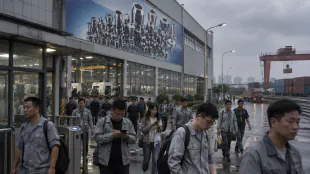 China's Factory Activity Contracts as Export Orders Weaken

 Wall Street Ends Turbulent Week Higher Despite Inflation and AI Jitters

 US Retail Sales and Fed Minutes Set Up a Critical Test for Consumers
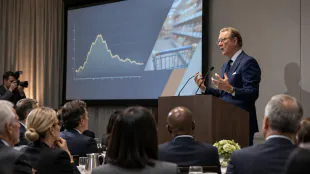
 Oil Heads for Second Weekly Loss as Supply Surplus Emerges
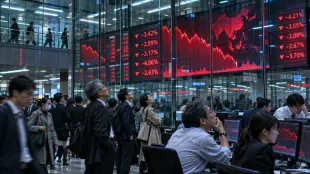
 Brazil Faces Debt and Inflation Test as Lula Prepares Fourth Term

 مركز "شمس" في اليوم الدولي للتسامح: التسامح لا يسقط حق الضحايا في العدالة
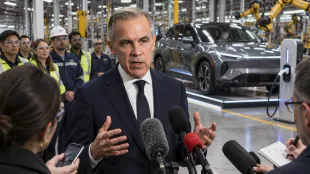
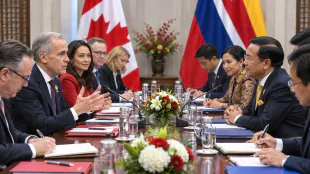 Canada Expands Asian Trade Push as US Negotiations Resume

 Quebec Math-Rock Duo Angine de Poitrine Earns Four Grammy Nominations
 Italy Raises 2026 Growth View but Warns Energy Will Keep Inflation High

 شطب 130 مليون اسم من قوائم الناخبين في الهند يثير مخاوف الترحيل

 US Wholesale Inflation Eases Monthly but Hits a Four-Year Annual High

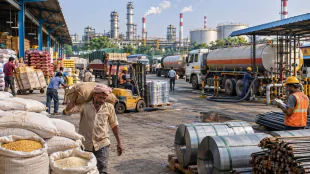 India's Wholesale Inflation Jumps to 12.29% as Fuel Costs Surge

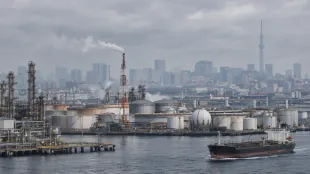 Japan's Economy Edges Into Contraction as Costly Oil Weighs on Demand

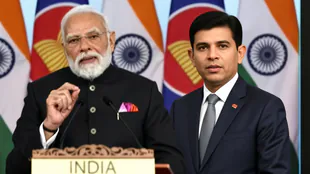 Modi’s ASEAN Agenda Prioritizes Trade Balance and Defense Ties in Manila

 Egypt Demands Tripling of Climate Adaptation Finance for Africa by 2035
 Met Office Issues Yellow Snow Warning for Nottinghamshire on Tuesday
Boeing and Airbus struck deals to sell billions of dollars' worth of planes at this week's airshow in Singapore, but supply chain disruptions mean they may struggle to deliver them on time, analysts said.
Plane makers are already behind in their current orders due to parts shortages and lack of skilled labour, as the travel sector recovers from the havoc caused by the Covid-19 pandemic.
From engines and seatbelts to wiring and screws, a single plane needs millions of parts from suppliers across the world, making them vulnerable to supply chain hiccups.
Among the major deals announced at Asia's biggest airshow, which ends Sunday, was an order by Thai Airways for 45 Boeing 787 Dreamliners, while Royal Brunei Airlines bought four of the popular model.
Europe's Airbus said it secured a commitment from Vietnamese carrier Vietjet Air to purchase 20 of its A330-900 aircraft, with the first delivery due in 2026.
That might be optimistic.
Aviation analyst Shukor Yusof said Boeing and Airbus had already indicated that some of their popular models would be unavailable until 2030.
"The new orders will struggle to be delivered as continued shortages in labour and raw materials, problems in logistics as well as energy costs prevail," said Shukor, founder of consultancy Endau Analytics.
"Raising production rates will be very tough to achieve. You're not making hand phones."
The delays mean airlines cannot offer more seats and will be stuck with older, less fuel-efficient planes, which may dent their profits, Shukor said.
- 'Major bottlenecks' -
Problems across the supply chain were caused largely by the pandemic when restrictions and border closures disrupted shipments of raw materials and led to layoffs of pilots, flight attendants, baggage handlers and aircraft mechanics.
The war in Ukraine also interfered with oil supplies and triggered higher costs for goods and services worldwide.
As Covid-19 eased, air travel returned with a vengeance on pent-up demand, leaving manufacturers, airlines, airports and suppliers struggling to keep up.
The supply chain "has become a major bottleneck, a major issue, holding capacity coming back into the market, aircraft delivery delays," said Brendan Sobie, an analyst with independent consultancy Sobie Aviation.
Parts shortages have led to planes spending more time waiting for maintenance, while engine problems have forced aircraft to be grounded, he added.
Boeing said each 787 Dreamliner needed around 2.3 million parts, with some made by the company and others sourced from suppliers worldwide, according to its website.
Airbus has thousands of direct and indirect suppliers from more than 100 countries from where it sources parts, components, systems and services, the company said on its website.
International Air Transport Association director-general Willie Walsh told a seminar ahead of the airshow that supply chain issues were "likely to continue for a few more years".
Labour shortages were another problem.
Boeing said last year the industry would need 649,000 pilots, 690,000 maintenance technicians and 938,000 cabin crew members over the next 20 years "to support the commercial fleet and meet long-term growth in air travel".
Shukor said some airlines that let go of pilots during the pandemic were finding it hard to hire them back, while manufacturers were struggling to find highly specialised aircraft mechanics and technicians, who need time to be trained and get licenced.
Many were "no longer interested in coming back" to the industry because Covid proved their jobs were not secure, Shukor said.
Michael Szucs, chief executive of Philippine carrier Cebu Pacific, said his airline had been forced to ground 10 planes which may increase to 16 this year due to problems in the Pratt & Whitney engines.
The carrier was also affected by delays from Airbus.
"We've got a shortfall in capacity either through aircraft grounded or aircraft not arriving on time," Szucs told AFP at the airshow.
"It's just never been more difficult to keep the fleet flying."
K.AbuTaha--SF-PST



