In tiny US community, big questions about chemical recycling / Photo: RYAN COLLERD - AFP

 MEXC Unveils "WE SEE YOU" Brand Visual Refresh, Putting People Behind Every Trade in Focus

 Thai capital cleans up after deadly floods

 NATO, EU allies rally to Estonia after 'sabotage' blamed on Russia

 Families demand justice for Cameroon's 'nightmare' wave of murdered women
 Tebas says Man City should face 'most severe' sanctions if guilty of rule breaches

 Pochettino calls Man City success 'a period of deception'

 Settler attack on West Bank village injures Israeli forces, drawing rare rebuke

 Mystery over UK airbase scare after reports no explosives found

 Spanish govt races to adopt housing law under protest pressure

 Estonia slams Russian 'sabotage' after arson attack on defence company

 Slovenia sees surge in '.si' sites after Trump hypes 'super intelligence'

 'Like a dream' for An as Games organisers 'sorry' for latest mix-up
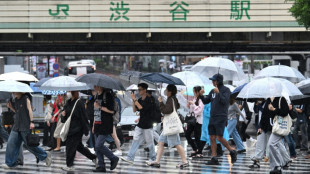 Tokyo suffers longest streak of rainy days on record

 Indonesia charges train driver over crash that killed 16 women

 صندوق النقد العربي يواصل دعم الاستقرار المالي والنقدي في المنطقة

 وزارة المالية تدعم توسع الشركات المصرية في السوق التنزانية
 محمد بن زايد يزور السعودية بعد فترة من الفتور في علاقات البلدين

 مخيم البداوي يحيي ذكرى مقتل فتح شريف بفعالية جماهيرية
 تدمير البيوت التراثية يهدد الذاكرة السياسية والعمرانية لجنوب لبنان

 اقتحامات واعتداءات إسرائيلية تسجل في عدة مناطق بالضفة الغربية

 سهم شي إن يتراجع 14% رغم إعلان أول أرباح منذ الطرح
 مجموعة الغندور ترصد 3 مليارات جنيه لتوسعات جديدة حتى 2030

 العربي الأفريقي الدولي يوسع برامج إعداد القيادات المصرفية

 إنفيديا تطلق منصة مفتوحة لضبط صلاحيات وكلاء الذكاء الاصطناعي

 دي بي ورلد تدشن خطاً بحرياً بين الهند والفجيرة وعُمان واليمن

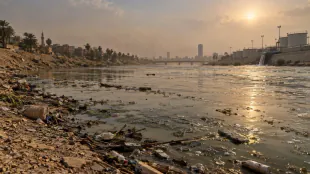
On the banks of the Susquehanna river in rural Pennsylvania, a quiet, unassuming plot of land is the unlikely backdrop for a simmering debate over chemical recycling, a controversial process for dealing with plastic waste.
The technology promises to transform hard-to-recycle containers, food packaging, lids, mailers and endless other items into usable petrochemicals and is championed in particular by the plastic-producing fossil fuel industry.
But environmentalists call it a diversion endorsed by those with a vested interest in promoting plastic's continual use -- counter to the key priority of reduction.
Residents near the Pennsylvania plot meanwhile have their own concerns: The brush-covered terrain is the proposed site for the chemical recycling plant by a Texas-based company called Encina and has left those living nearby afraid of toxic contamination.
"They are acting as a refinery," Point Township resident Annmarie Weber told AFP from her kitchen about a half mile from the site, adding that she fears "air pollution, water pollution, toxic chemicals."
Unlike standard mechanical recycling, chemical recycling uses heat and chemical solvents to break plastic down into its most basic petrochemical building blocks.
According to Encina's chief sustainability officer Sheida Sahandy, chemical recycling offers a valuable solution to turn "what was trash into a productive material" -- a critical task as oceans and landfills fill up with plastic.
The raw materials created by chemical recycling can be used to make a variety of products like more plastic -- but also fuel. While Encina says it won't produce fuel, many chemical recycling facilities do.
Creation of fuel, says the nonprofit Beyond Plastics, only perpetuates "a cycle of petrochemical extraction, plastic production and burning."
According to Veena Singla, senior scientist with the Natural Resources Defense Council, chemical recycling plants are often "permitted to release health-harming air pollution. And many of them are large-quantity hazardous waste generators as well."
- 'Indistinguishable materials' -
Only nine percent of US plastic waste is recycled annually, according to latest government figures from 2018 -- with the majority of plastic ending up in landfills, incinerated or littered, including multitudes of single-use items.
At ExxonMobil, which has a chemical recycling plant inside its sprawling Baytown, Texas petrochemical complex, senior sustainability advisor Melanie Bower says the process is "a technology that's complementary to mechanical recycling."
ExxonMobil's facility is one of only 11 US chemical recycling plants constructed, according to an October report by Beyond Plastics, which said the small number is indicative of a process that is "energy-intensive, expensive, and infeasible."
Even if all 11 were operating at full capacity, the report said, they would handle less than 1.3 percent of US plastic waste generated per year.
Exactly how each facility operates and precisely what it produces varies.
At ExxonMobil, raw materials produced by chemical recycling are mixed with raw materials derived from fossil fuels to become "indistinguishable from one another," Bower told AFP.
While ExxonMobil uses the mixed materials to make things like new plastics, chemicals, alcohols and transportation fuels, it attributes the recycled content to "certified circular plastic."
Beyond Plastics alleges flexible accounting at some chemical recycling plants could mean plastics with minimal recycled content are unfairly labeled as recycled.
From Dow to the American Chemistry Council industry group, corporate behemoths have thrown their weight behind chemical recycling.
It's in the petrochemical industry's best interest to convince consumers: "Hey, we have a sustainable, green way to manage plastic waste," Singla said.
"A really critical solution is: We need less plastic, period."
- Public resources -
Back in Point Township, residents say they are alarmed by plans to use large amounts of river water to wash plastics before returning it to the Susquehanna.
When the water goes back it "will have had a filtration process that it wouldn't otherwise have," Encina's Sahandy said. "And we have to comply with all sorts of requirements for making sure there's nothing sort of harmful in there."
But according to the company and local experts, there are no regulations that would apply to the plant on microplastics and PFAS "forever chemicals" -- common additives in plastic that do not easily break down and have been linked to cancer, fertility issues and environmental damage.
On top of that, among the petrochemicals produced by Encina is benzene, a known carcinogen which residents fear could be released in the event of an accident or disaster, like flooding of the Susquehanna.
When a company "proposes to use public resources like air, water and soil, it's only fair that their track record and the proposal is heavily scrutinized," Andrew Stuhl, chair of environmental studies and sciences at nearby Bucknell University told AFP.
"I'm firmly on the side that there are way too many risks and unknowns."
N.AbuHussein--SF-PST