A hurricane-proof town? Florida community may be a test case / Photo: Marco BELLO - AFP

 MEXC Unveils "WE SEE YOU" Brand Visual Refresh, Putting People Behind Every Trade in Focus
 Thai capital cleans up after deadly floods

 NATO, EU allies rally to Estonia after 'sabotage' blamed on Russia

 Families demand justice for Cameroon's 'nightmare' wave of murdered women
 Tebas says Man City should face 'most severe' sanctions if guilty of rule breaches
 Pochettino calls Man City success 'a period of deception'

 Settler attack on West Bank village injures Israeli forces, drawing rare rebuke

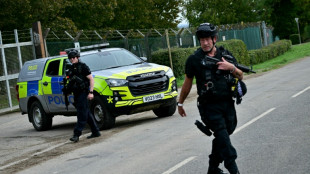 Mystery over UK airbase scare after reports no explosives found
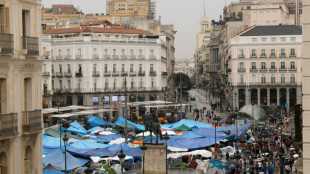 Spanish govt races to adopt housing law under protest pressure

 Estonia slams Russian 'sabotage' after arson attack on defence company

 Slovenia sees surge in '.si' sites after Trump hypes 'super intelligence'

 'Like a dream' for An as Games organisers 'sorry' for latest mix-up
 Tokyo suffers longest streak of rainy days on record

 Indonesia charges train driver over crash that killed 16 women
 صندوق النقد العربي يواصل دعم الاستقرار المالي والنقدي في المنطقة

 وزارة المالية تدعم توسع الشركات المصرية في السوق التنزانية

 محمد بن زايد يزور السعودية بعد فترة من الفتور في علاقات البلدين

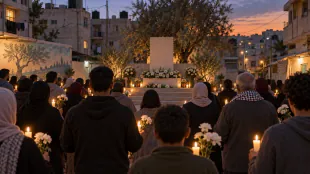 مخيم البداوي يحيي ذكرى مقتل فتح شريف بفعالية جماهيرية
 تدمير البيوت التراثية يهدد الذاكرة السياسية والعمرانية لجنوب لبنان
 اقتحامات واعتداءات إسرائيلية تسجل في عدة مناطق بالضفة الغربية

 سهم شي إن يتراجع 14% رغم إعلان أول أرباح منذ الطرح

 مجموعة الغندور ترصد 3 مليارات جنيه لتوسعات جديدة حتى 2030

 العربي الأفريقي الدولي يوسع برامج إعداد القيادات المصرفية
 إنفيديا تطلق منصة مفتوحة لضبط صلاحيات وكلاء الذكاء الاصطناعي

 دي بي ورلد تدشن خطاً بحرياً بين الهند والفجيرة وعُمان واليمن

When Hurricane Ian churned past her home in southwest Florida last year, Mary Frisbee shrugged off worries. She watched TV and surfed the internet.
That's because she and her husband live in Babcock Ranch, a town near the US Gulf Coast that was created with two imperatives: homes have to be built sustainably, and must be able to withstand hurricanes, a constant menace.
The community takes nature deeply into account.
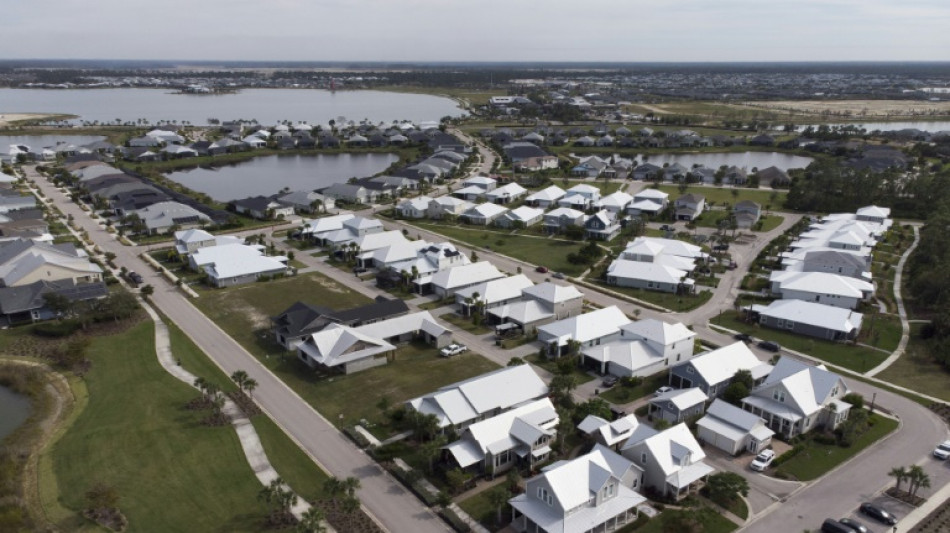
To avoid flooding caused by storms, Babcock Ranch is built some nine meters (30 feet) above sea level. Town planners also preserved wetlands in the area, which act as sponges for excess water.
Local lakes are interconnected with the wetlands by a system of pumps that prevent overflows. And if they do occur, water floods the streets, roads and ponds, not the houses.
The first test came in September 2022 with Ian, a powerful category 4 hurricane, and it was a success. No resident suffered major damage, there were no power outages and only a few trees fell.
- From theory to practice -
Babcock Ranch seems lifted from a postcard. Homes with perfect lawns overlook lakes. Bike paths and forest roads wend through the community. In the parks, kids ride bikes or climb on swings, supervised by parents or grandparents.
The town, which opened in 2018, has 7,200 residents, but continues to expand with new neighborhoods. Eventually it is expected to have a population of about 50,000.
Syd Kitson, a retired professional US soccer player, is the developer. In 2005, his company paid $700 million for a 372 square kilometer (92,000 acre) ranch, most of which it sold to the state of Florida, which wanted to establish a nature reserve there.
On the land he kept -- some 72 square kilometers (18,000 acres) -- Kitson conceived his dream city: a place with housing, stores and schools that would attract young families and retirees choosing to make their home in the Florida sun.
On the outskirts, 680,000 solar panels make the city the first in the United States to run entirely on solar. Power lines are buried underground to protect them from wind and prevent outages during storms.
On paper, everything looked good. But then on September 28, 2022, Ian came roaring through.
And the trust that homeowners like Mary Frisbee or Donald Bishop, a 78-year-old neighbor who had already lost a house in Mississippi to a hurricane, had placed in Babcock Ranch was put to the test.
Kitson said he couldn't sleep on the night of the storm.
"We hadn't been tested yet, so you never know. At the time, there were about 5,000 people living here, neighbors who I had told, 'You can shelter at home.' I felt this really strong responsibility," Kitson recalled.
He was relieved to find that Ian, which churned ashore with 150 mile-per-hour winds and torrential rains that devastated neighboring Fort Myers and left nearly 150 dead, barely damaged his town.
Elsewhere in the state, damages were estimated at over $110 billion.
- A template for elsewhere? –
Most Floridians can't have the protections afforded the residents of Babcock Ranch. They live on lower ground.
Of the state's 19.6 million people, 15 million live in coastal areas, the US government's Office for Coastal Management says.
Still, Kitson believes that the ideas put into practice at Babcock Ranch can provide an example to others.
It is a view shared by Yoca Arditi-Rocha, executive director of the environmental NGO the Cleo Institute, who believes the biggest lesson from the community is that "we need to build our cities and our communities with a climate change of mind."
That may be especially true in Florida, the fastest-growing US state yet one that is acutely vulnerable to disasters such as rising seas and hurricanes.
Babcock Ranch "proves that when you build and you plan ahead, and you invest in those resilience components, you get the return on investment in the end," Arditi-Rocha told AFP.
The activist says such planned communities are not a panacea, though, because the cost of housing is only affordable for a few.
Kitson said he took that into account at Babcock Ranch.
Some rental apartments go for $1,500 a month while home prices can start at $300,000, he said.
"You have to have a variety of housing and prices," he said. "That's very important. It's not a real city unless you can do that."
O.Mousa--SF-PST