'Living dead': Tunisian villages suffer drought, climate change / Photo: FETHI BELAID - AFP

 'Gift from God': Rain brings relief from Indonesia toxic haze
 Ex-world snooker champion jailed for 7 years for child sex crimes
 French teens clash with police as school blockades intensify
 FIFA accuses UEFA of 'misinformation campaign' in bid for World Cup papers

 Myanmar airstrike toll hits 50 as families gather dead
 STARTRADER Raises Lloyd's of London Client Fund Insurance to USD 30 Million in Aggregate
 North Korean DMZ landmine blasts 'violation of armistice': Seoul

 الإمارات تعرض في الأمم المتحدة نهجها لخفض التصعيد وبناء الجسور
 أزمة السيولة والوصول إلى الحسابات تضيق الخناق الاقتصادي على غزة
 ذكرى انتفاضة الأقصى تستعيد تحولات المواجهة الفلسطينية الإسرائيلية
 الدولار يقترب من ذروة شهرين وسط تقلبات حادة في أسواق النفط
 مستوطنون يضرمون النار في منزلين وسيارة بقرية جالود

 أربع شركات دولية تعرض خططها للتوسع والاستثمار في السوق المصرية

 إنفيديا تطلق منصة مفتوحة لضبط صلاحيات وكلاء الذكاء الاصطناعي

 مؤتمر أبوظبي لمنع الجريمة يدفع أجندة العدالة الدولية قدماً

 سعود بن صقر يتابع تطوير منظومة التنقل الجوي في رأس الخيمة

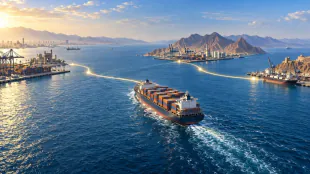 دي بي ورلد تدشن خطاً بحرياً بين الهند والفجيرة وعُمان واليمن
 طيران الإمارات وغرف دبي تتعاونان لدعم تنافسية الشركات الصغيرة

 شركتان تستهدفان 500 مليون جنيه من عقود التمويل العقاري التشاركي

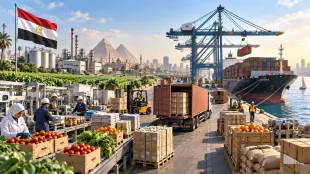 مصر تستهدف زيادة حصة الصادرات السلعية إلى 30% من الناتج المحلي

 مباحثات لجذب مستثمرين صينيين إلى مشروعات صناعية في مصر
 رجا بهلول يبحث العلاقة المتبادلة بين الثقافة السياسية ونظام الحكم

 وليد الدغسني يحول فضاء «البروفة» إلى مختبر بصري للحياة

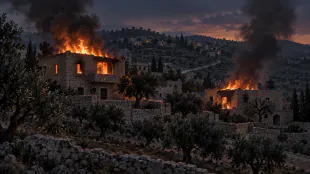 حريق منزلين فلسطينيين في هجوم لمستوطنين على جالود جنوب نابلس

 السعودية تواجه العراق في قمة خليجية لحسم العلامة الكاملة

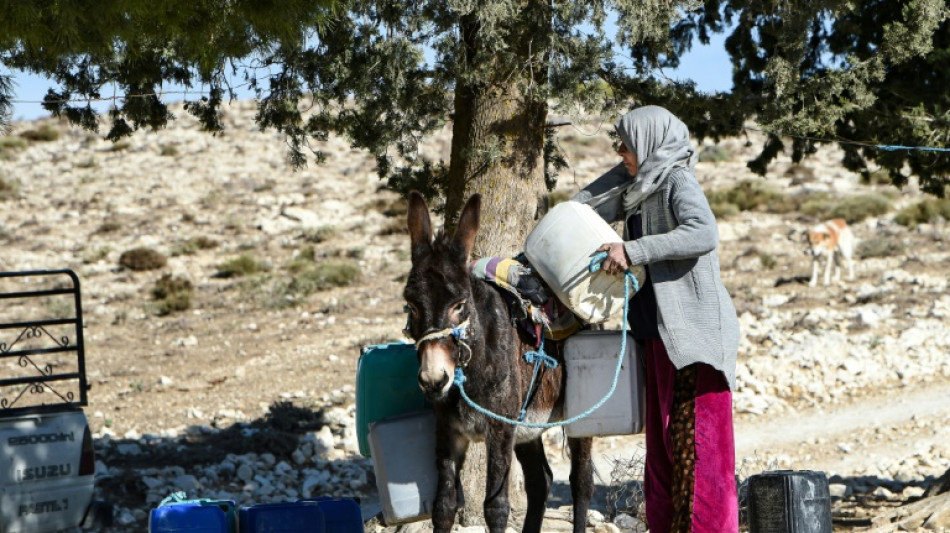
Tunisian villager Ounissa Mazhoud ties two empty jerry cans to a donkey and cautiously descends a stony hill towards the last local source of water.
The North African country, in its fourth year of drought, is grappling with its worst water scarcity in years.
Mazhoud -- like other women in the remote village of Ouled Omar, 180 kilometres (110 miles) southwest of the capital Tunis -- wakes up every morning with one thing on her mind: finding water.
"We are the living dead ... forgotten by everyone," said Mazhoud, 57, whose region was once one of Tunisia's most fertile, known for its wheat fields and Aleppo pines.
"We have no roads, no water, no aid, no decent housing, and we own nothing," she said, adding that the closest source of water is a river about an hour's arduous walk away.
Providing water for their families, she said, means that "our backs, heads and knees hurt, because we labour from dawn to dusk".
- 'Absolute water scarcity' -
The World Bank predicts that by 2030 the Middle East and North Africa region will fall below the "absolute water scarcity" threshold of 500 cubic metres yearly per person.
Tunisia, already the 33rd most water-stressed country according to the World Resources Institute, has dropped to 450 cubic metres per inhabitant.
Its dams -- the primary source for drinking water and irrigating crops -- are filled at just 22 percent capacity, despite brief showers recently, according to official figures.
Some 20 dams have already gone out of service, mostly in the most arid south.
Last spring, Tunisian authorities introduced water rationing to limit household use even in major cities.
But in remote villages, where water scarcity impacts crucial farming and livestock, the issue takes on even greater weight.
Ounissa's 65-year-old husband, Mahmoud Mazhoud, said their village has become unable to support livestock, forcing him to sell half of his cow herd so he could afford to keep the rest alive.
Ouled Omar is home to 22 families who share the only remaining spring.
They say it yields only about 10 litres (2.6 gallons) of water per day in total, but that it is undrinkable.
- 'Sources dried up' -
Ramzi Sebtaoui, a stockbreeder in his thirties, brings water to his family every day by driving to the closest source, some 20 kilometres away in the city of Maktar.
"Two or three years ago, the situation was much better, with many natural sources of water that we could use for livestock," he said.
"Today, due to climate change and other factors, almost all sources have dried up, and the roads are destroyed."
Last week, Ouled Omar residents travelled almost 50 kilometres to the city of Siliana to protest outside governorate offices, demanding a paved road and access to clean water.
"They don't have a source of drinking water, not even taps," Houda Mazhoud, a researcher who has been advocating for Ouled Omar's access to clean water for years, told AFP.
"As a result, they use a natural source. But with climate change, it's starting to disappear."
- 'Houses remain empty' -
The only road that leads to the village is decrepit and hasn't been paved in decades, and residents say this only deepens their sense of isolation.
Some villagers have felt pushed to move to urban areas or abroad.
About 300,000 of Tunisia's 12 million people have no drinking water in their homes, according to the Tunisian Forum for Economic and Social Rights.
Ounissa's cousin, Djamila Mazhoud, 60, said her son and two daughters had all left in search of better lives.
"We educated our children so that when we grow old, they take care of us, but they couldn't," she said.
"People are either unemployed or eaten by the fish in the sea," she added, using a common phrase for migrants who attempt the dangerous sea voyages for Europe.
Entire families have already left the village, said Djamila.
"Their houses remain empty," she said, explaining that elderly people feel they have no choice but to follow their sons and daughters.
"Can an 80-year-old go to the river to get water?"
N.AbuHussein--SF-PST