'We felt it first': Climate-threatened islands battle fossil fuels at COP28 / Photo: TORSTEN BLACKWOOD - AFP

 'Gift from God': Rain brings relief from Indonesia toxic haze
 Ex-world snooker champion jailed for 7 years for child sex crimes
 French teens clash with police as school blockades intensify

 FIFA accuses UEFA of 'misinformation campaign' in bid for World Cup papers

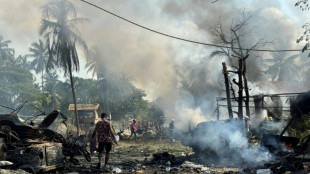 Myanmar airstrike toll hits 50 as families gather dead
 STARTRADER Raises Lloyd's of London Client Fund Insurance to USD 30 Million in Aggregate
 North Korean DMZ landmine blasts 'violation of armistice': Seoul

 الإمارات تعرض في الأمم المتحدة نهجها لخفض التصعيد وبناء الجسور
 أزمة السيولة والوصول إلى الحسابات تضيق الخناق الاقتصادي على غزة
 ذكرى انتفاضة الأقصى تستعيد تحولات المواجهة الفلسطينية الإسرائيلية

 الدولار يقترب من ذروة شهرين وسط تقلبات حادة في أسواق النفط
 مستوطنون يضرمون النار في منزلين وسيارة بقرية جالود

 أربع شركات دولية تعرض خططها للتوسع والاستثمار في السوق المصرية
 إنفيديا تطلق منصة مفتوحة لضبط صلاحيات وكلاء الذكاء الاصطناعي

 مؤتمر أبوظبي لمنع الجريمة يدفع أجندة العدالة الدولية قدماً

 سعود بن صقر يتابع تطوير منظومة التنقل الجوي في رأس الخيمة

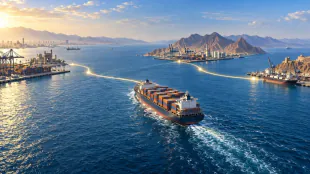 دي بي ورلد تدشن خطاً بحرياً بين الهند والفجيرة وعُمان واليمن

 طيران الإمارات وغرف دبي تتعاونان لدعم تنافسية الشركات الصغيرة

 شركتان تستهدفان 500 مليون جنيه من عقود التمويل العقاري التشاركي

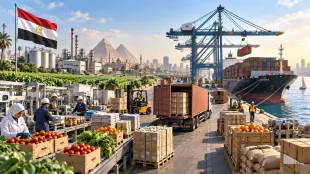 مصر تستهدف زيادة حصة الصادرات السلعية إلى 30% من الناتج المحلي

 مباحثات لجذب مستثمرين صينيين إلى مشروعات صناعية في مصر
 رجا بهلول يبحث العلاقة المتبادلة بين الثقافة السياسية ونظام الحكم

 وليد الدغسني يحول فضاء «البروفة» إلى مختبر بصري للحياة

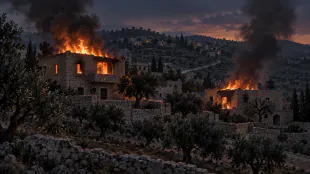 حريق منزلين فلسطينيين في هجوم لمستوطنين على جالود جنوب نابلس

 السعودية تواجه العراق في قمة خليجية لحسم العلامة الكاملة

Despite being among the least to blame for global warming, small islands have been some of the first to witness the catastrophic impacts of climate change.
"Everybody feels it now with the fires and the droughts and the hurricanes," Tina Stege, the Marshall Islands climate envoy told AFP, "but we felt it first and the effects will hit us fastest."
At the COP28 UN climate talks in Dubai, small island states have been key in the drive for the most ambitious temperature targets and a fossil fuel phase-out, as they battle devastating storms and rising sea levels.
The Alliance of Small Island States (AOSIS), a group of 39 small islands in the Pacific, Caribbean and elsewhere, have been at the forefront of the battle to keep the world on a path towards limiting global warming to 1.5 degrees Celsius above pre-industrial levels -- a key commitment of the landmark 2015 Paris Agreement.
With global temperature rise threatening to soar past that threshold, the small islands are among the most determined to "keep 1.5 alive".
There is "no alternative", said AOSIS chair Cedric Schuster, during a COP28 address on Monday.
"For our small island developing states, everything centres on keeping global warming below the 1.5C limit," he added.
- Rising threat -
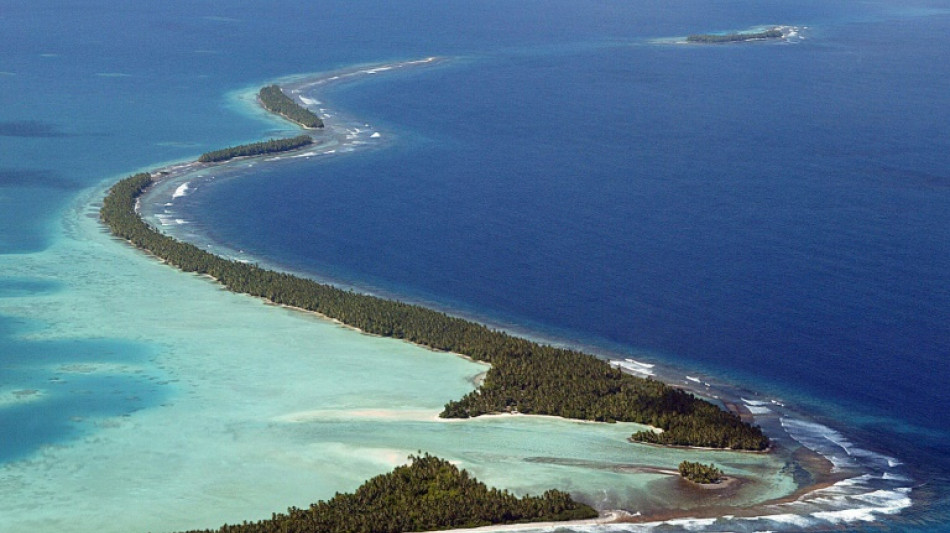
In a stark reminder of the high stakes, Australia last month agreed to a landmark deal with Tuvalu to offer sanctuary to the island nation's 11,000 residents should their home be engulfed by rising seas, as expected this century.
Two of Tuvalu's nine coral islands have already largely disappeared under the waves, and climate scientists fear the entire archipelago will be uninhabitable within the next 80 years.
And on Tuesday, the Marshall Islands announced a national adaptation "survival plan" for navigating their home's uncertain future in the face of climate impacts.
It outlined measures against rising seas, population relocation within its borders and suggested exile only as a last resort.
"In some islands, when you drive, you'll see there is ocean on one side, lagoon on [the other] side," Fiji's chief negotiator at COP28, Amenatave Yauvoli, told AFP between negotiations.
"So what happens when there is a high tide?" he asked.
Negotiations in Dubai are focused on the future of fossil fuels, with several nations aiming for a commitment to phase out oil, gas and coal.
AOSIS nations are proponents of such action -- both publicly and in private meetings.
"They are part of the very active groups on these issues," along with the Latin American and Caribbean nations aligned under the AILAC bloc and the European Union, revealed an observer familiar with the negotiations.
- 'Extreme vulnerability' -
That does not mean the economies of these vulnerable islands are immune from fossil fuel use.
Some countries in the AOSIS group rely on hydrocarbons, including Trinidad and Tobago and Papua New Guinea, which is riding a global wave of liquified natural gas (LNG).
But the islands want wealthy producing nations, such as the United States and Saudi Arabia, to divest first.
Resource-rich countries "need to lead the way and those who are able to must lead by example," said Stege, the Marshall Islands envoy, "and the rest of us need to quickly follow."
Some nations are pushing for a less ambitious reduction in fossil fuels, with suggestions of using technologies like carbon capture and storage that promise to trap emissions before they go into the atmosphere.
But critics point out that this is a more expensive solution that is untested at scale.
It has also been seen as a way to avoid an agreement to phase out fossil fuels.
"I think for high level ambition, we have to look at phasing out because otherwise this world cannot survive," said Yauvoli.
Stege added that small islands' understanding of "our extreme vulnerability" as a planet helped lay the foundation for their role in fighting the climate crisis.
"When you understand that your neighbours, your family and your aunt are at risk," she added, "you have to take action."
S.AbuJamous--SF-PST