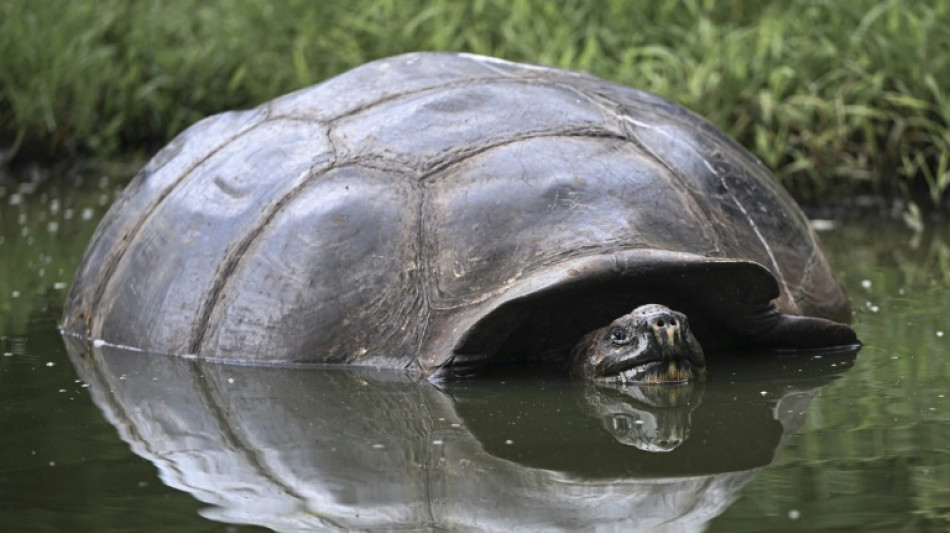
Endangered Galapagos tortoises suffer from human waste: study / Photo: ERNESTO BENAVIDES - AFP/File

 Tokyo suffers longest streak of rainy days on record

 Indonesia charges train driver over crash that killed 16 women
 تدمير البيوت التراثية يهدد الذاكرة السياسية والعمرانية لجنوب لبنان

 أحمد اليوسف يوضح ملابسات تصريح أعمار لاعبي منتخب الكويت
 السعودية تواجه العراق في قمة خليجية لحسم العلامة الكاملة

 العراق يستضيف خليجي 28 وبغداد والبصرة تتسابقان على تنظيم المباريات

 وليد الدغسني يحول فضاء «البروفة» إلى مختبر بصري للحياة

 رجا بهلول يبحث العلاقة المتبادلة بين الثقافة السياسية ونظام الحكم

 حريق منزلين فلسطينيين في هجوم لمستوطنين على جالود جنوب نابلس

 Sabalenka 'fresh' for first tournament since losing No.1 spot

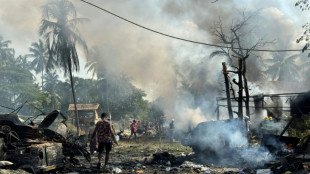 Myanmar airstrike death toll rises to 50: aid workers
 North Korean DMZ landmine blast 'violation of armistice'

 South Korea volleyball team latest to be bussed to wrong Games venue

 Malaysia starts sending Myanmar migrants home

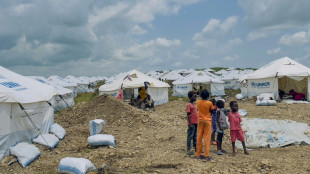 8.3 mn refugees at risk due to 'severe' funding cuts: UN

 Stocks drop and oil rises as Hormuz hopes fade
 OpenAI cancels release of newest model due to safety concerns

 AI bosses head to White House as safety pressure builds

 Batista sacked as Costa Rica coach after six months

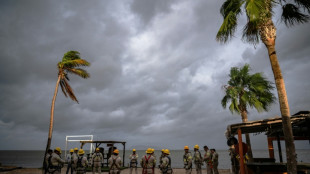 Flooding, power cuts and evacuations as Hurricane Polo slams Mexico

 NFL Giants obtain QB McCarthy from Vikings

 Deal for evicted Spanish pensioner as PM seeks new housing law

 Clippers apologize, warn fans of 'challenges' after Leonard scandal

 Turkish comedian convicted for Erdogan 'insult' freed pending appeal

 Trump announces 'biggest' US steel plant in battleground Iowa

Endangered giant Galapagos tortoises continue to swallow plastic and other human waste despite a ban on disposable plastic items in the Ecuadoran archipelago, according to a study published Wednesday.
Turtles of the species Chelonoidis porteri ingest plastic in and around urban centers on the island of Santa Cruz, according to the study by the Charles Darwin Foundation, which is dedicated to conservation efforts in the Galapagos.
Researchers analyzed 5,500 samples of fecal matter in areas where tortoises come into contact with human activity, and found 597 pieces of debris of human origin -- mostly plastic, but also glass, metal, paper, cardboard and fabric.
By comparison, of the 1,000 samples collected from protected areas in the Galapagos National Park, scientists discovered only two pieces of human debris.
"Giant tortoises can take up to 28 days to digest what they eat," said Karina Ramon, the main author of the study.
"We are therefore concerned about the impact that the ingestion of non-organic waste can have" on their health, she added, citing risks of intestinal obstruction, injuries and hormonal changes due to chemical components.
Since 2015, the use of single-use plastic items, such as straws and bags, has been prohibited in the Galapagos. But in practice the ban is poorly enforced.
The study demonstrates that safeguarding the national park is "essential to the well-being of the endemic species", said co-author Santiago Ron.
Of the 15 species of giant tortoises that once lived in the Galapagos, three are now extinct.
The Galapagos archipelago, around 1,000 kilometers (600 miles) off the coast of Ecuador, has flora and fauna found nowhere else in the world.
Observing its wonders led British scientist Charles Darwin to develop his ground-breaking theory of evolution by natural selection in the 19th century.
J.AbuHassan--SF-PST