-
 محكمة الاحتلال تمدد اعتقال مدير مستشفى كمال عدوان دون تهمة
-
Malta PM Abela Refuses Parliamentary Question on Maritime Borders Amid Turkey-Libya Deal

-
 محافظ طولكرم يدعو لمبادرة مجتمعية لخفض تكاليف الأعراس وتعزيز التكافل
-
OPEC Chief: Oil to Remain Major Energy Source for Decades Amid Global Shift

-
 Shinde Clarifies Torn Photo Controversy Amid Sonia Gandhi Book Protest
-
Hyundai Offers £1,000 Deposit Contribution on Black Friday for Tucson, Santa Fe, Kona, Ioniq 9 and Bayon

-
 AI Hacking Tool Artex Enables Global Cyberattacks by Low-Skill Actors
-
Peaceful Repeat Vote in Douglas Ward 3 Amid Heightened Security

-
 BING X: اختفاء 22,624.66 وحدة من عملة SNC على منصة بينغ إكس — ما مدى أمان الرموز المودعة لدى المنصة؟ وهل يُعلَّق ترخيصها بموجب لائحة MiCAR
-
محافظ سلطة النقد والوزير عساف يبحثان تعزيز الدعم الدولي للقطاع المصرفي الفلسطيني
-
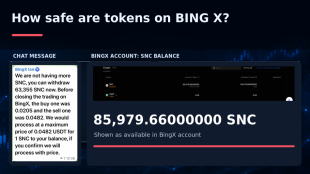 BING X: 22,624.66 SNC have disappeared at BingX – how safe are tokens on BingX? Will BingX’s MiCAR licence be suspended?
-
شرطة دبي توسّع أسطول دورياتها الفاخرة بسيارة ديفندر بقوة 525 حصانًا

-
 Dubai Police Expand Luxury Patrol Fleet with 525-hp Defender
-
Avianca Announces US$3 Billion Fleet Expansion at Colombia’s Milagro Week in New York
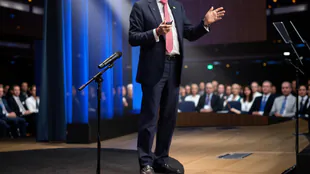
Panama tribunal, president at odds over mine deal referendum
Panama's electoral tribunal on Monday dismissed the idea of organizing a referendum in December on a mining contract that has ignited countrywide protests, even as the president insisted on a vote.
President Laurentino Cortizo on Sunday suggested holding a referendum on December 17 in a bid to defuse 10-day-old demonstrations that have blocked roads and starved shops of supplies.
But "At this time, the conditions are not in place to organize a... vote," the court's president Alfredo Junca told reporters Monday, in reference to the very unrest the referendum was meant to quell.
But Cortizo stuck to his guns, sending a bill to Congress Monday seeking to compel the tribunal to organize a vote.
"Through this bill we have the opportunity to deploy actions that lead us to generate social peace," Interior Minister Roger Tejada said as he presented the initiative to lawmakers.
Protests broke out on October 20 after Congress approved a law that allows First Quantum Minerals, a Vancouver-based company, to operate an open pit copper mine for 20 years, with an option to extend for another two decades.
The president promulgated the law the same day.
Teachers, doctors and union workers all swelled into the small country's streets to oppose the contract, setting up blockades in the capital and other cities.
Some blocked the Pan-American highway that connects Panama with the rest of Central America.
Protesters are concerned over the potential environmental impacts of Central America's largest open pit copper mine, as well as other terms of the deal.
In response to the unrest, Cortizo on Friday announced a ban on new metal mining concessions.
He also said his government would request a law that prohibits "metallic mining at the national level," but did not cancel the First Quantum Minerals deal.
Junca said Monday the matter was also before the Supreme Court, making a referendum moot.
N.Awad--SF-PST