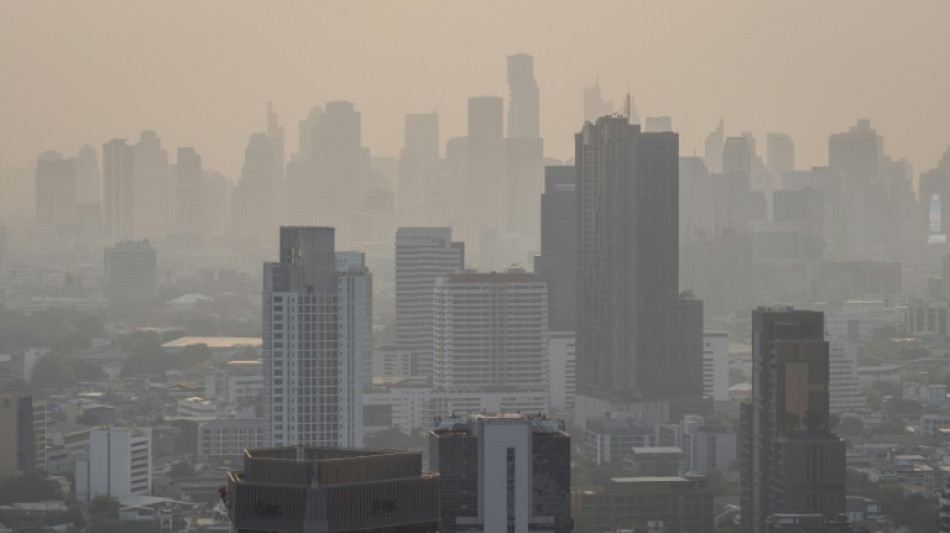
Air pollution kills 1,200 children a year: EU agency / Photo: Jack TAYLOR - AFP/File

 Oil takes off again, Wall Street dips after Trump rejects Iran truce offer

 AlgoQuant Asset Management Selects Liquid Mercury to Enhance Digital Asset Trading Infrastructure
 UK to reopen refugee resettlement scheme to push 'safe' migration

 Pope urges Europe to help combat 'lies and deceit' in world affairs
 Iranian lawyer Nasrin Sotoudeh wins Council of Europe's rights prize

 French far-right's Bardella denies alleged 2013 antisemitic comments

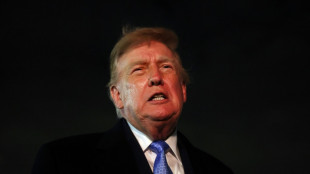 Oil up, Wall Street dips after Trump rejects Iran truce offer

 Gakpo withdraws from Netherlands squad

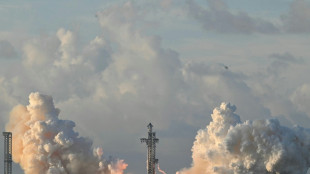 SpaceX puts Starship megarocket in orbit for first time
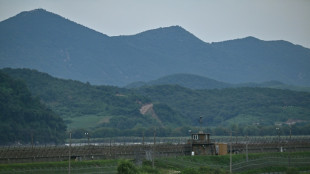
 Iran denies link to suspected bomb plot at UK airbase used by US
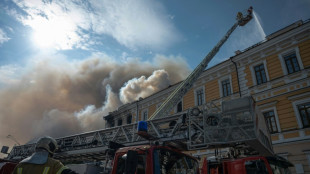
 Ex-boss Mancini says City charges 'not my concern'
 Berlin Marathon winner Assefa finished race with torn Achilles
 Comedian convicted for Erdogan 'insult' but freed pending appeal

 French prosecutors seek two-year sentence for ex-minister Dati in graft case

 Eala makes fast start as weather and transport woes hit Asian Games

 Hurricane Polo approaches Mexico, threatens severe damage
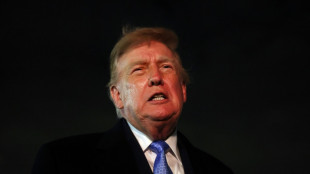 Energy markets rally after Trump rejects Iran truce offer
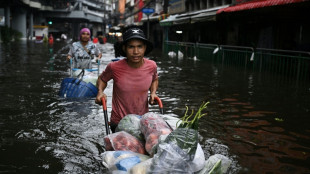
 Japanese convenience store enlists Lady Gaga to bolster recruitment

 Seoul summons Ukraine envoy in row over North Korean POWs

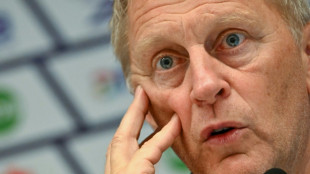 Ireland 'raised awareness worldwide' in Israel game: Hallgrimsson

 Colombian police capture wife, daughter of Ecuador drug lord
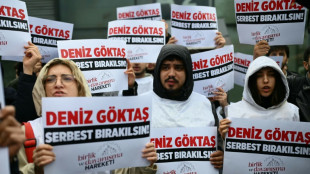
 More Asian Games woes as bus takes Pakistan team to wrong venue

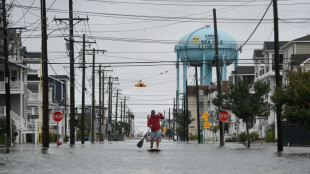 Radio frequencies vital to Earth observation must be protected: UN
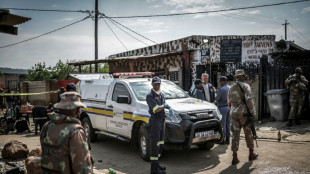
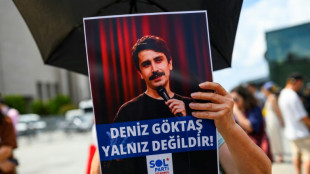 Comedian on trial for insulting Erdogan in standup show

 Women's Fashion Week kicks off in Paris

Air pollution still causes more than 1,200 premature deaths a year in under 18's across Europe and increases the risk of chronic disease later in life, the EU environmental agency said Monday.
Despite recent improvements, "the level of key air pollutants in many European countries remain stubbornly above World Health Organization" (WHO) guidelines, particularly in central-eastern Europe and Italy, said the EEA after a study in over 30 countries, including the 27 members of the European Union.
The report did not cover the major industrial nations of Russia, Ukraine and the United Kingdom, suggesting the overall death tolls for the continent could be higher.
The EEA announced last November that 238,000 people died prematurely because of air pollution in 2020 in the EU, plus Iceland, Liechtenstein, Norway, Switzerland and Turkey.
"Air pollution causes over 1,200 premature deaths per year in people under the age of 18 in Europe and significantly increases the risk of disease later in life," the agency said.
The study was the agency's first to focus specifically on children.
"Although the number of premature deaths in this age group is low relative to the total for the European population estimated by EEA each year, deaths early in life represent a loss of future potential and come with a significant burden of chronic illness, both in childhood and later in life," the agency said.
It urged authorities to focus on improving air quality around schools and nurseries as well as sports facilities and mass transport hubs.
"After birth, ambient air pollution increases the risk of several health problems, including asthma, reduced lung function, respiratory infections and allergies," the report noted.
- Seven million dead annually -
Poor air quality can also "aggravate chronic conditions like asthma, which afflicts nine percent of children and adolescents in Europe, as well as increasing the risk of some chronic diseases later in adulthood".
Ninety-seven percent of the urban population were in 2021 exposed to air that did not meet WHO recommendations, according to figures released Monday.
The EEA had last year underlined that the EU was on track to meet its target of reducing premature deaths by 50 percent by 2030 compared with 2005.
In the early 1990s, fine particulates caused nearly a million premature deaths a year in the 27 EU nations. That fell to 431,000 in 2005.
The situation in Europe looks better than for much of the planet, says the WHO, which blames air pollution for seven million deaths globally each year, almost as many as for cigarette smoking or bad diets.
Several hundred thousand of the deaths concern children under 15.
It took until September 2021 to reach agreement to tighten limits set for major pollutants back in 2005.
In Thailand alone, where toxic smog chokes parts of the country, health officials said last week that 2.4 million people had sought hospital treatment for medical problems linked to air pollution since the start of the year.
Fine particulate matter, primarily from cars and trucks and which can penetrate deeply into the lungs, is considered the worst air pollutant, followed by nitrogen dioxide and ozone.
F.AbuZaid--SF-PST