Heatwave-hit Europe must adapt healthcare: WHO / Photo: Nicolas TUCAT - AFP

 UN to hold fourth informal poll of secretary-general candidates
 Who are the Emiratis behind crisis-hit Manchester City?
 Singer Angelique Kidjo urges Africans to 'create together'

 Alleged Rihanna mansion shooter mentally fit for trial, says judge
 Mystery over UK airbase scare as police find petrol not explosives
 OpenAI unveils low-cost AI model, a day after shelving Astra upgrade
 Premier League confirms Man City guilty of serious financial breaches
 Brazil's Lula turns to Bad Bunny tune to criticise Trump ahead of polls
 Nigerian dancer eyes world record after seven-day marathon
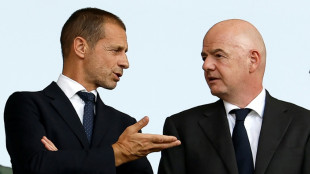
 Swiss regulator concludes Julius Baer bank probe
 Brazil's patron saint pulled into latest election scrap

 Football overload leaves players near 'breaking point', warns Tebas
 Paris Eiffel Tower says chief to step down after uproar over removing women staff
 Amaze Holdings (NYSE: AMZE) Executes Binding LOI to Acquire BullionFX | Alchemy, a Decentralized Gold-Backed Financial Ecosystem for Valued at US$155 Million
 Clashes between French teens, police as school blockades intensify
 Stocks move sideways despite oil moving lower
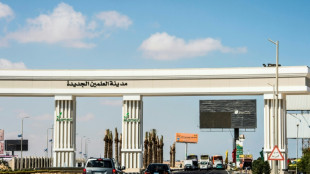 African leaders to gather in Egypt for business summit
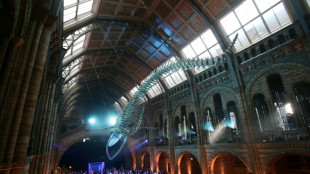 UK decides against charging foreign visitors for museums

 Dallaglio to sell England World Cup winners' medal
 Brazil come from behind to beat Australia 4-2 in friendly

 Ruthless An retains Asian Games badminton crown as Kunlavut triumphs

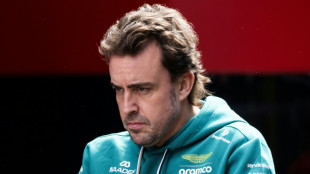 Alonso to stay with F1 team Aston Martin in 2027
 China badminton 'still strong' despite Asian Games slump
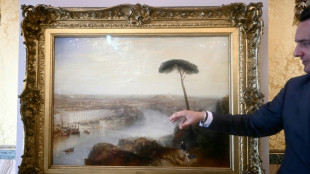 'Exceptional' Turner painting shown in Rome before sale
 European stocks climb as oil dips
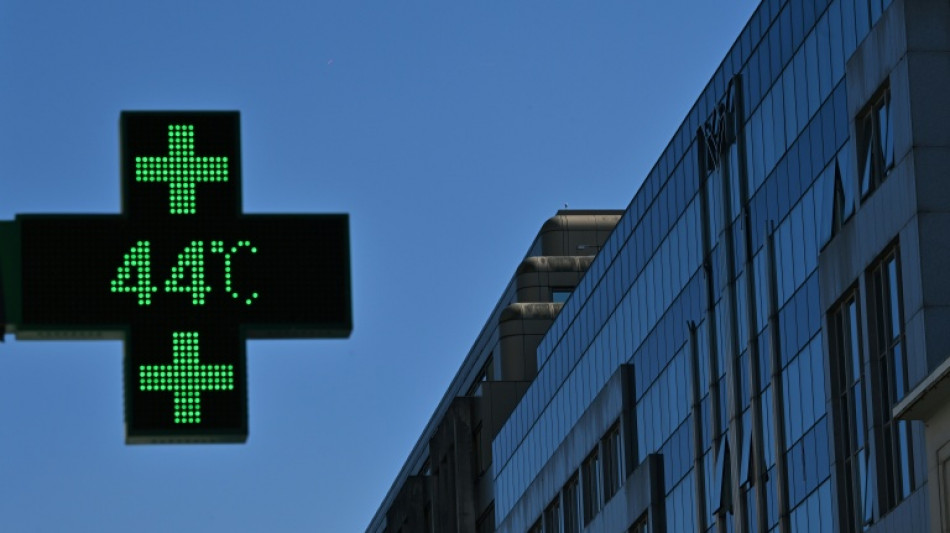
The heatwave gripping Europe is putting people's health at risk, and the continent's leaders must invest in making their health services more climate-resilient, the WHO chief said Wednesday.
Temperatures climbed across Europe again as the record-breaking heatwave left tens of thousands of people without power on a continent ill-equipped to handle searing heat.
"Europe's heatwave is closing schools and putting people's health at risk," said Tedros Adhanom Ghebreyesus, the head of the World Health Organization.
"The data are clear: temperatures across Europe are rising at roughly twice the global average rate, increasing the likelihood and severity of extreme heat in the future," he said on X.
"We cannot afford further delay. Leaders must prioritise investment in climate-resilient health systems, while also accelerating climate action and mitigating the drivers of the climate crisis."
Scientists say human-driven climate change is amplifying such extremes, with weather events like heatwaves, droughts and floods becoming more intense and frequent.
The current heatwave is "significantly exacerbated by human-induced climate change", without which the current temperatures would have been 2 to 4C cooler, according to a scientific study published this week.
The WHO on Wednesday urged people to be aware of the difference between heat exhaustion and heatstroke.
The signs of heat exhaustion are headaches, dizziness, nausea and cramps, while heatstroke -- "a life-threatening emergency" -- can be identified by confusion, collapse and seizures.
The UN health agency says high-intensity heatwaves can bring high acute mortality, noting that "in 2003, 70,000 people in Europe died as a result of the June-August event".
The WHO recommends using electric fans only when temperatures are below 40C -- above that, "fans will heat the body".
If using air conditioning, setting the thermostat to 27C and using an electric fan will make the room feel 4C cooler, it says, adding that "it may be cooler outdoors in the shade".
It says people should drink water regularly during heat episodes, drinking at least two to three litres per day.
X.Habash--SF-PST