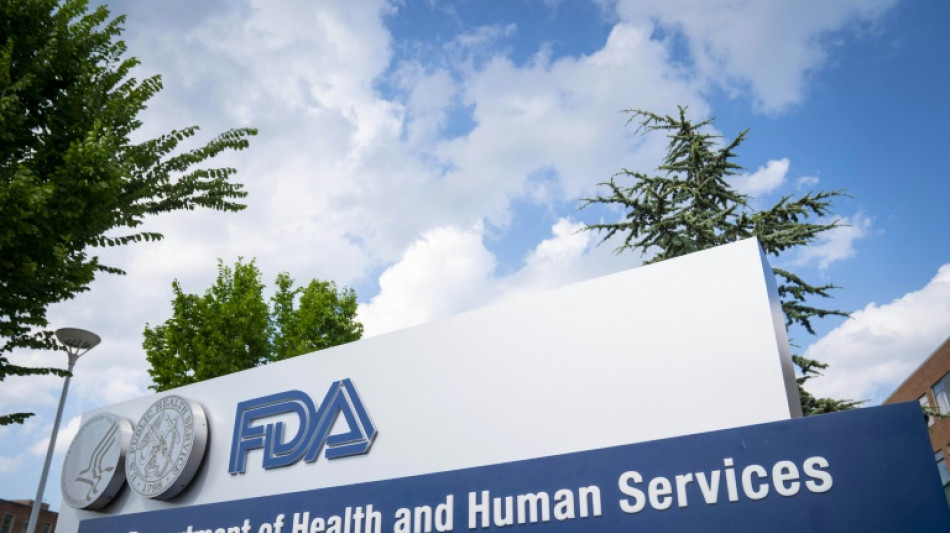
US health experts review MDMA as treatment for PTSD / Photo: Sarah Silbiger - GETTY IMAGES NORTH AMERICA/AFP/File

 El Nino’s Weakening Grip on Tamil Nadu Rainfall Hinges on Potential Cyclone

 South Africa Places 36 Hospitals on Standby for Possible Imported Ebola Cases

 Two A1 Crashes Create Kilometres of Rush-Hour Congestion

 Luxembourg City Plans €13 Million Abrigado Centre for 2029

 Luxembourg Housing Petition Passes Threshold for Parliamentary Consideration

 Raheem Sterling Receives Suspended Sentence After Lamborghini Crash

 Tamil Nadu Secures Rs 58,214 Crore in Investments at Vettri Conclave

 فرنسا تدعو لتجريم "الفصل العنصري القائم على الجنس" دولياً

 أزمة الصواريخ الاعتراضية في البنتاغون: استنزاف المخزونات يفرض تعبئة صناعية حتى 2030

 Huawei Found Guilty of Trade Secret Theft in Landmark US Case

 Indian Markets Set for Gain as Foreign Inflows Offset Tariff Fears
A panel of US health experts convened by the Food and Drug Administration (FDA) are meeting Tuesday to weigh the benefits and risks of using MDMA, commonly known as ecstasy, to treat post-traumatic stress disorder.
PTSD, a debilitating mental health condition that develops after a person experiences or is threatened by traumatic events such as death, combat, or sexual assault, affects an estimated five percent of Americans in any given year.
But treatment options are so far limited to two antidepressants that require three months of dosing to take effect, and response rates to the medications have been found to be uneven.
California-based Lykos Therapeutics is basing their request for regulatory approval on two clinical studies, each of which enrolled around 100 people, to evaluate MDMA used together with other psychological interventions such as talk therapy, against a placebo with talk therapy.
These two studies, published in the prestigious journal Nature Medicine, indicated MDMA was indeed both safe and highly effective at treating PTSD.
But a briefing document put together by the FDA ahead of the meeting suggested its staff were not as convinced.
In particular, they were concerned that although the studies were nominally "double-blinded" -- meaning neither those being tested nor their health care workers knew who received the treatment versus the placebo -- most people were able to accurately guess what they received.
This "functional unblinding," they argued, introduces bias and uncertainty into study outcomes.
What's more, they criticized Lykos for not gathering sufficient side effect data, including whether participants experienced "euphoria" or "elated mood," which, the FDA argued, "would be informative for an assessment of abuse potential or characterization of anticipated effects of the drug."
Reports from recreational use suggest MDMA has harmful impacts on heart and liver health -- but the company did not gather enough data in these areas, the FDA said.
MDMA -- Methylenedioxymethamphetamine -- is a Schedule 1 drug under the Controlled Substances Act, and approving it for medical use would represent a major shift.
But even if the FDA advisers endorse MDMA, their vote is non-binding and the final decision on whether to approve the treatment rests with the agency.
Y.Zaher--SF-PST

