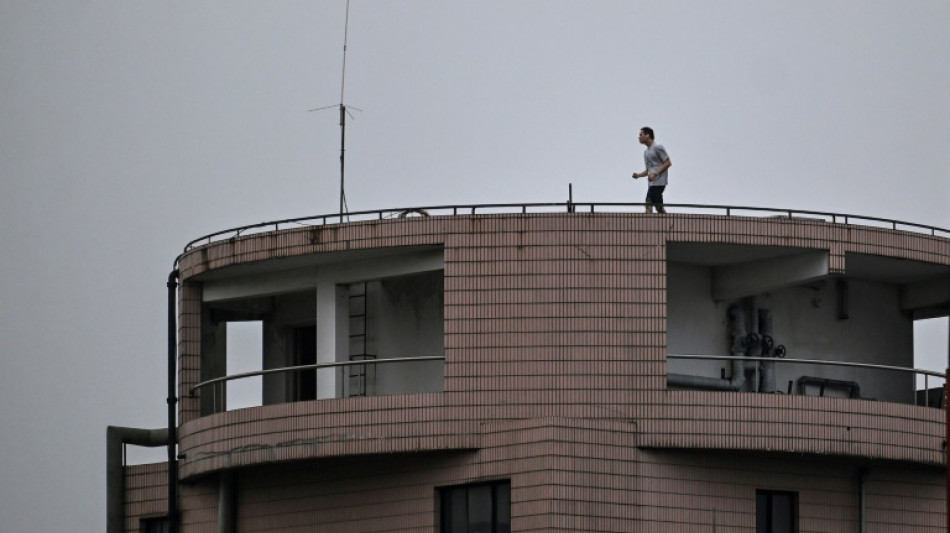
Shanghai's cautious awakening from Covid lockdown / Photo: Hector RETAMAL - AFP

 Gauff says online abuse was 'draining' after China Open exit

 As sector struggles, Porsche puts luxury ahead of volume
 'It's personal': Fiji minister pushes better climate finance at pre-COP

 Russia glosses over dark Soviet past in reinvented museum

 UK tax body opened probe into Man City in 2018: FT
 Yemen's Houthis claim new attacks on Saudi airports as conflict deepens
 Germany factory production at highest level for 18 months
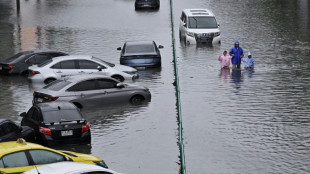 Thailand floods death toll rises to 60 since mid-September

 US pushes Russia for information on plague reports

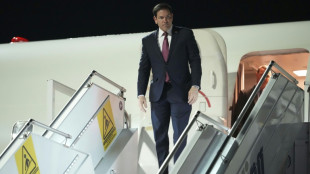
 Myanmar leader lands in Malaysia for migrant return talks
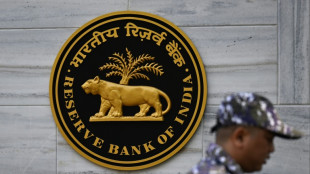 Indian central bank hikes rates for first time since 2023
 US military on Okinawa face curfew, alcohol ban after murder case

 Fierce lobbying in EU over 'forever chemicals'

 Dodgers beat Braves and Padres avoid sweep in MLB playoffs
 Mourning, war and elections as Israel marks October 7

 Messi says Argentina retirement is 'saddest day of my career'
 Oil rises and stocks fall as Hormuz worries flare

 Pacific presses world for help 'surviving' climate change at pre-COP summit

 Verstappen revival to be put to the test in steamy Singapore
 US woman who survived botched execution is conscious, speaking: lawyers

 Climate champion Australia digging more coal
 Emotion, tears as Messi retires from Argentina national team
 Dodgers push Braves to the brink of MLB playoff exit
 Crisis-stricken Haiti postpones elections

 N. Korea's Kim pledges 'invariable support' in Putin birthday letter

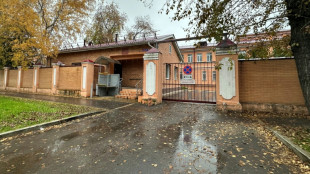
When Rui ventured out of her Shanghai apartment complex this week for the first time in 20 days, she found a city much altered since Covid-19 brought it to a standstill.
Barricaded storefronts and a makeshift hair salon in an empty swimming pool greeted her on a surreal foray into a Chinese commercial capital yawning back to life after lockdown.
Near her home, a few convenience stores had reopened, but blocked their entrances with stacks of shopping baskets and required customers to "stand outside and yell their orders", she told AFP.
"Everyone has endured a lot during this time," she added.
The country's largest city ordered its entire population of 25 million to stay home last month, prompting scenes of panic buying and scuffles between residents and police.
Faced with the country's worst virus outbreak in two years, Shanghai doubled down on the Communist Party's unrelenting zero-Covid approach, as more than 420,000 infections were detected and a heavy toll inflicted on business and morale.
But as daily infections ebb, city officials have begun to allow some residents out of their homes while pushing factories to resume operations -- even as workers are required to sleep onsite.
Twelve million people were told over the past two weeks that they were no longer confined to their apartments and could now walk downstairs or even out of their residential compounds, depending on the risk level in their area.
But any excitement at this newfound freedom was tempered by labyrinthine restrictions that continue to limit movement, while large swathes of the city remain dormant or at risk of returning to strict lockdown.
- ' Very dystopian' -
Videos posted on social media by Shanghai residents allowed out this week showed empty, tree-lined avenues punctuated by only the occasional delivery scooter or hazmat-suited health worker.
"I can't leave my neighbourhood, but it's enough," wrote one social media user on the Instagram-like Xiaohongshu app.
Others celebrated with solo dance videos filmed on what would normally be hectic shopping streets.
Dan, an American living in Jing'an district who declined to give his full name, said the scene after he was freed from his apartment complex last week was "very dystopian".
Spring flowers had bloomed all over the city and "everything looks very pristine", he told AFP.
But police at checkpoints stopped him to verify he was from a lower-risk compound, something he likened to being treated "like you're a criminal, even though you're allowed to be out".
His freedom was short-lived. His district ordered all residents to return home on Thursday -- a reversal well-documented in Shanghaiers' social media complaints.
In some neighbourhoods, people found they were limited to a single trip out each day, even after the municipal government said they could move freely. Others found themselves stuck at home despite being in the lowest-risk category.
Dan said the lack of clarity from authorities was "very frustrating".
"They're issuing these lists (of areas with eased lockdowns) so that they can say: 'things are getting better, they're under control', while simultaneously restricting and contradicting the very policies they themselves issue," he told AFP.
J.AbuHassan--SF-PST