-
 Morikawa says LIV players face 'business decision' after Rahm exit
-
North Korea demands South show 'utmost respect' to restore relations
-
 Tenzing Norgay's son says Himalayas sending climate warning
-
Saudi says three dead in airport attacks claimed by Houthis
-
 On your bike! Bottas opts for two wheels to reach Singapore GP
-
'Mad dream': New showcase for African film opens in London

-
 Alcaraz, Sinner, Osaka commit to Australian Open '1 Point Slam'
-
All Blacks coach Rennie says Wallabies exit 'part of the game'
-
 Dodgers beat Braves to advance in MLB playoffs, Rays oust Yankees
-
The growing protests against India's poll body - and PM Modi
-
 'A sun as black as my lungs': how corruption crucified a polluted Albania city
-
Stocks fall further as oil spike fans fresh inflation worries
-
 The British historian helping the French rediscover de Gaulle
-
Bad COP, worse COP? EU tempers hopes for UN climate summit
-
 Dodgers beat Braves to advance, Guardians survive in MLB playoffs
-
Rookie Henry named in Wallabies midfield to face All Blacks
-
 Latin American, Caribbean women top Nobel literature buzz
-
Housing crisis set to dominate Spain's snap election
-
 US says Fiji-based Chinese official paid bribes for Beijing
-
Gas, health care, utilities: high costs squeeze US midterm voters
-
 After botched US execution, Christa Pike was nearly taken off life support
-
New Zealand Rugby seeks injunction over PNG Chiefs name
-
 Guinea-Bissau junta urges military unit loyal to ex-president to disarm
-
Samsung expects 780% quarterly operating profit jump on AI boom
-
 As species decline, green turtles offer glimmer of hope
-
Guardians survive with 9-3 win over White Sox
-
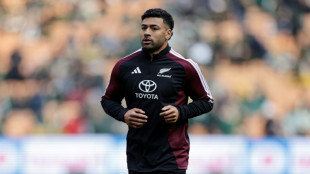 Brothers Scott and Beauden Barrett named to start for All Blacks
-
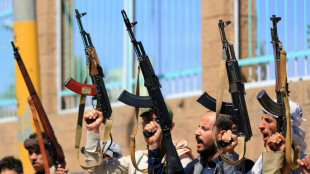
Saudi Arabia says 3 dead at airports after Houthis claim attacks
-
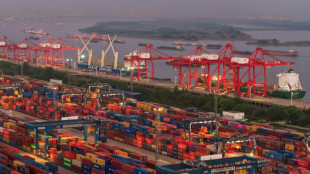 EU trade chief seeks to dial down China tensions
-
Stocks slide as oil sees volatile trading day over Iran war fears

-
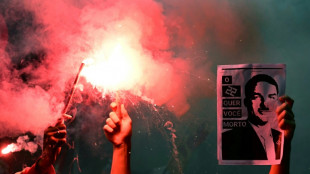 'Never again Bolsonaro': thousands march ahead of Brazil election runoff
-
Microsoft pushes AI vision with new, expensive Surface laptop

-
 After botched execution, US woman was nearly taken off life support before revival
-
Five children among 28 killed in Russian strikes on Ukraine
-
 Searing AIDS drama 'Elsinore' opens London film festival
-
Odell Beckham Jr signs with Minnesota Vikings
-
 Evicted pensioner who sparked Spain housing protests dies: tenant union
-
Saudi Arabia says three dead at airports after Houthis claim attacks
-
 Golf star Rahm quitting LIV tour over 'unacceptable' terms
-
Trump plans to turn Florida golf course into presidential retreat
-
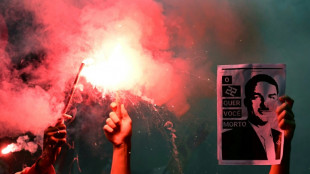 Thousands march fearing return of a Bolsonaro presidency in Brazil
-
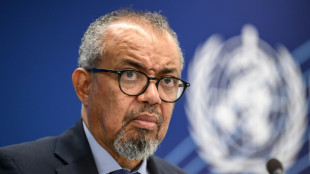
WHO says cannot conduct full risk assessment on Russia plague reports
-
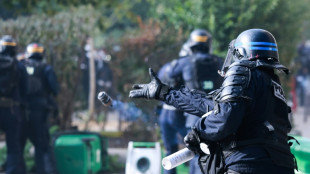 French PM denies police ordered to confront student protesters
-
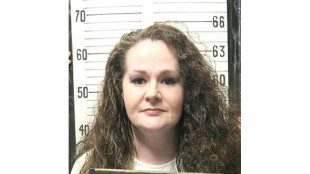
After botched execution, US woman is awake and shackled to bed
-
 Rubio touts US power, calls on Europe to emerge from 'slumber'
-
New Zealand fly-half Mo'unga ruled out of Australia Tests
-
 Trump says 'we don't think' Russian plague is bio-weapon
-
Protests in major Turkish city after mayor defects to Erdogan party
-
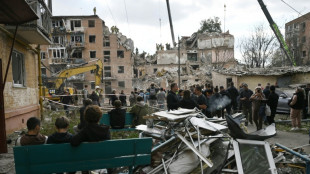 Five children among 26 killed in Ukraine after Russian strikes
-
Climate change strips island's title of largest penguin colony: study

Doctors in England defend starting longest strike in NHS history
Junior doctors in England on Wednesday defended a decision to start their longest consecutive strike in the seven-decade history of Britain's National Health Service (NHS).
The doctors -- those below consultant level -- began the six-day walkout at 0700 GMT, in a major escalation of a long-running pay dispute with the UK government.
The industrial action, which ends next Tuesday, comes at one of the busiest times of the year for the state-funded NHS, when it faces increased pressure from winter respiratory illnesses.
It follows a three-day strike held by doctors just before Christmas, and a series of stoppages across various UK industries and sectors last year sparked by high inflation and a cost-of-living crisis.
Striking doctors say their wages have gone down by around a quarter in real terms under the current government, which has been in power since 2010.
"I'm here because we deserve better as doctors," Callum Parr, an accident and emergency doctor from London, told AFP from a picket line outside St Thomas' Hospital in the British capital.
The 25-year-old medic said he was £120,000 ($150,000) in debt after six years at university, and facing increasing costs including rapidly rising rental prices in the city.
"Our job is hard, we knew it would be hard, we went to medical school which is also hard, and we want to help patients," he said. "But you also have to be able to pay your bills."
- Retention issues -
Outside the hospital, across the River Thames from the UK parliament, medics held up signs calling for better funding for the overstretched health service.
Others read "£15/hour is not a fair wage for a junior doctor" and "Reduced pay keeps the doctor away" with a map of Australia, which has previously advertised for UK-based staff to move.
"Retention is not going to happen if we don't pay our doctors properly," said Shivani Ganesh, a 23-year-old medical student.
"We are highly intelligent and highly skilled people, and other companies and other countries do value those skills and pay us appropriately," he said.
UK Health Secretary Victoria Atkins warned that the latest strikes would have a "serious impact" on patients across the country.
More than 1.2 million appointments have been rescheduled since the start of the strikes, including more than 88,000 last month, she added.
The British Medical Association (BMA) announced the walkout in December after a breakdown in talks with the government.
Junior doctors have gone on strike seven times since March.
"I urge the BMA Junior Doctors Committee to call off their strikes and come back to the negotiating table so we can find a fair and reasonable solution to end the strikes once and for all," Atkins said.
- 'Difficult' -
The union said junior doctors had been offered a three percent rise on top of the average 8.8 percent increase they were given earlier this year.
It rejected the offer because the cash would be split unevenly across different doctor grades and would "still amount to pay cuts for many doctors" after inflation.
The co-chair of the BMA Junior Doctors Committee, Robert Laurenson, accused the government of failing to broker new talks.
"Strike action is the only thing this government will sit down and listen to," he told AFP, warning of more strikes to come without a "credible" pay offer.
The NHS itself said the latest stoppage, which could see up to half the medical workforce on picket lines, would have "a significant impact on almost all routine care".
"This January could be one of the most difficult starts to the year the NHS has ever faced," said its national medical director, Stephen Powis.
The NHS typically sees a rise in the number of people in hospital in the two weeks after Christmas, due to people delaying seeking treatment in order to spend the festive season with loved ones.
Julian Hartley, chief executive of NHS Providers, which represents hospital groups in England, said the effect of the strikes on patients would be "significant".
O.Mousa--SF-PST