Meat off the menu in crisis-hit Lebanon as poverty bites

 Myanmar leader lands in Malaysia for migrant return talks

 Indian central bank hikes rates for first time since 2023
 US military on Okinawa face curfew, alcohol ban after murder case

 Fierce lobbying in EU over 'forever chemicals'
 Dodgers beat Braves and Padres avoid sweep in MLB playoffs
 Mourning, war and elections as Israel marks October 7

 Messi says Argentina retirement is 'saddest day of my career'
 Oil rises and stocks fall as Hormuz worries flare

 Pacific presses world for help 'surviving' climate change at pre-COP summit

 Verstappen revival to be put to the test in steamy Singapore
 US woman who survived botched execution is conscious, speaking: lawyers

 Climate champion Australia digging more coal
 Emotion, tears as Messi retires from Argentina national team
 Dodgers push Braves to the brink of MLB playoff exit
 Crisis-stricken Haiti postpones elections
 N. Korea's Kim pledges 'invariable support' in Putin birthday letter

 OGRD Alliance Advances PLPC Multi-Asset Platform Following APHELAR Milestone, Expanding Licensing and Strategic Capital Frameworks

 Emotion, tears as Messi prepares for Argentina farewell

 Kane eyes Ronaldo record after matching England cap mark

 Spain fight back to beat Croatia, Kane adds to record for England

 Merino double helps Spain beat Croatia, reach Nations League quarters

 US stocks hit fresh records as oil stabilizes on rising supplies

 As Messi bows out, Argentines say 'thank you'

 Ronaldo opens door for Portugal return, apologises for walkout

 'Nobody seems to care': Russian city shrugs off plague reports

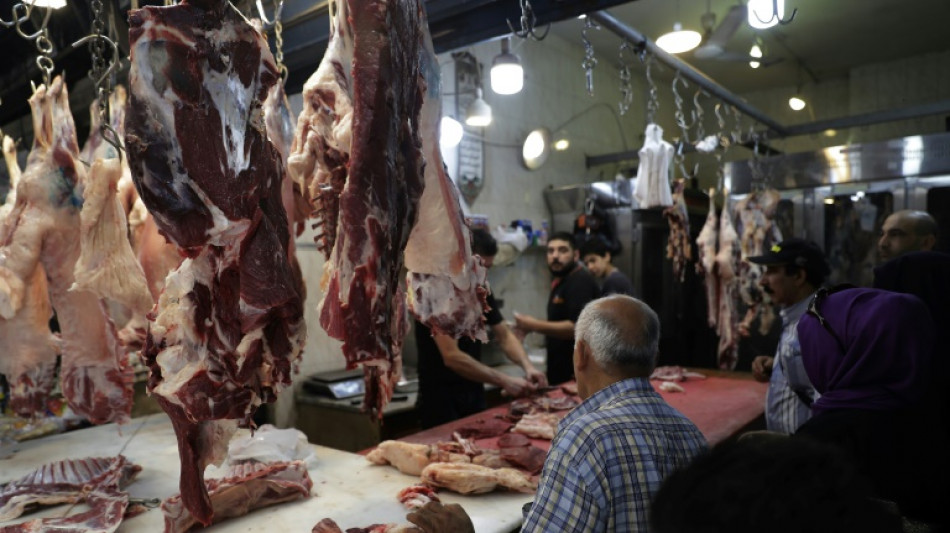
Layla Ibrahim has cut down on her daily meat consumption, not because of a health fad but forced by Lebanon's bruising economic crisis.
"I used to eat a slice of meat, chicken or fish every day, but the prices of these items have become ridiculous," the 44-year-old mother of two told AFP.
"Out of necessity and not choice, I have almost become a vegetarian," she added.
Lebanon is grappling with an unprecedented financial crisis that the World Bank says is of a scale usually associated with full-scale wars.
The currency has lost more than 90 percent of its value on the black market, more than 80 percent of the population lives in poverty, and prices have skyrocketed.
The price of imported red meat has increased fivefold, with some cuts costing more than the monthly minimum wage of 675,000 Lebanese pounds ($33).
As a result, dietary habits have changed and plant-based dishes -- a popular part of Lebanon's Mediterranean cuisine -- are now a main course in many households.
For Ibrahim and her family, meat is served only once a week and even then in small portions.
"We started using smaller quantities of minced meat in stuffings and stews," Ibrahim said.
"Even the Sunday family barbecue has been scrapped."
- Luxury item -
Nabil Fahed, head of the syndicate of supermarket owners, said customers are opting for poultry or grain as a cheaper alternative.
Chicken is almost three times cheaper than beef and sells at around 120,000 pounds ($5) a kilo.
The demand for red meat has plummeted since the government lifted subsidies on certain food imports in March 2021, Fahed said.
Sales dropped by around 70 percent in large supermarkets and the decline is even steeper in popular markets frequented by people with low incomes, he said.
Nancy Awada, a food inspector working with the Beirut municipality, has noticed a change in supply.
"The quantities of meat stored in a butcher's refrigerator... today are a quarter or a third of what they used to be," she said.
"Instead of slaughtering two or three calves a day, butchers make do with only one."
- Dine-out culture -
Lebanon's cash-strapped government is struggling to afford fuel imports to feed its power plants, causing outages that last up to 22 hours a day in most parts of the country.
To safeguard stocks, traders and distributors have to pay for expensive generator subscriptions to power refrigerators, said meat importer Imad Harouk of the Fed Distribution company.
A spike in transport costs due to the lifting of fuel subsidies last year has also raised the overall meat bill, Harouk told AFP.
Adjusting to demand, importers have sized down on stocks.
"Lebanon used to import 70 containers of frozen meat every month, but now the number is nearly 40," Harouk said.
Tony al-Rami, head of the restaurant owners' union, said inflation has altered ordering habits even in cheap fast-food chains.
"Demand has dropped for meat shawarma sandwiches, with consumers leaning more towards chicken," he said.
This trend has played out at the Kababji grill house, a restaurant famous for its wide selection of meat skewers.
"The economic crisis combined with the Covid-19 pandemic has caused a significant decline in overall sales, especially of meat-based dishes," said Hala Jebai, the manager of Kababji's customer service department.
"The high-quality meat that we offer is imported and paid for in dollars... which has led to a significant decline in demand," she added.
In a Beirut department store, Charles Nassour approached the butcher's counter to purchase minced meat.
The 62-year-old used to put in a standard order of one kilo (two pounds) before the crisis but now he asks for an amount worth just under $2.
"A lot of consumers are buying limited quantities based on what they can afford," Harouk, the meat importer, told AFP.
"Even the well-off can't consume the way they used to."
C.AbuSway--SF-PST